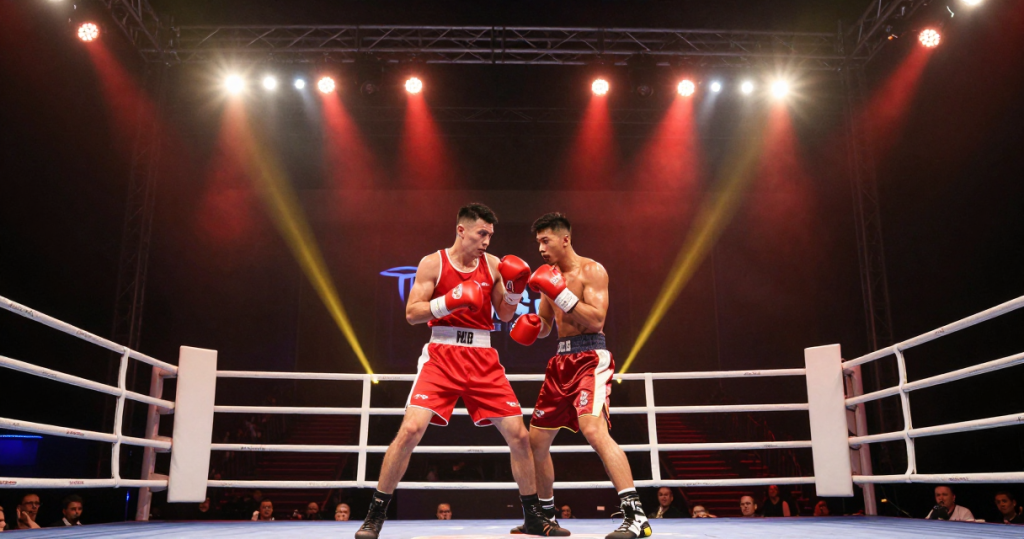
Wales has long held a reputation as a nation that produces fighters of immense grit, technical skill and unwavering durability, reflecting a strong boxing training culture that punches significantly above its weight on the global scene. From the industrial valleys of the south to the coastal towns of the north, the sport is woven into the cultural fabric of the country, creating a conveyor belt of talent that transitions seamlessly from local boxing halls to international arenas. The history of Welsh boxing is not merely a collection of statistics and records, but a narrative of boxing role models who have carried the pride of a nation into rings across Las Vegas, New York and beyond. This enduring legacy is built upon a foundation of hard amateur programmes and a professional mentality that prepares Welsh fighters for the unique pressures of the world stage.
The Historical Pioneers Who Conquered America
The story of Welsh boxing on the international stage begins with the early pioneers who ventured across the Atlantic to prove their worth against the best in the world during the early 20th century. Jimmy Wilde, known as the “Mighty Atom,” stands as perhaps the most significant figure in this regard, a man from Tylorstown whose global impact reshaped the sport. Wilde travelled to the United States when travel was arduous and foreign fighters were often treated with hostility, yet he captivated American audiences with his devastating punching power and unique defensive style. He became a true world star, proving that a fighter from the Welsh valleys could dominate the American boxing landscape and set a precedent for future generations.
These early trailblazers faced immense challenges, from biased judging to unfamiliar environments, yet they consistently displayed the toughness associated with Welsh fighters. The impact of these icons in the US laid the groundwork for the respect Welsh boxers command today. They established a reputation for being rugged, honest and technically sound, reflecting the evolution of boxing styles in Wales that have become synonymous with the Welsh fighting style. The legacy of these historical figures is still felt today, as modern professionals often look back at the paths forged by men like Wilde when they embark on their own international campaigns.
Joe Calzaghe and the Modern Superfight Era
No discussion of Welsh boxing on the world stage is complete without acknowledging the colossal achievements of Joe Calzaghe, who dominated the super middleweight division for over a decade. Calzaghe’s career was defined by his remarkable longevity and his ability to perform at the highest level against elite opposition. His unification bouts and his victory over the legendary American fighter Bernard Hopkins in Las Vegas cemented his status as a global boxing icon. That particular fight was a masterclass in adaptation, as Calzaghe overcame a rough start to outwork and outsmart an opponent renowned for his tactical prowess.
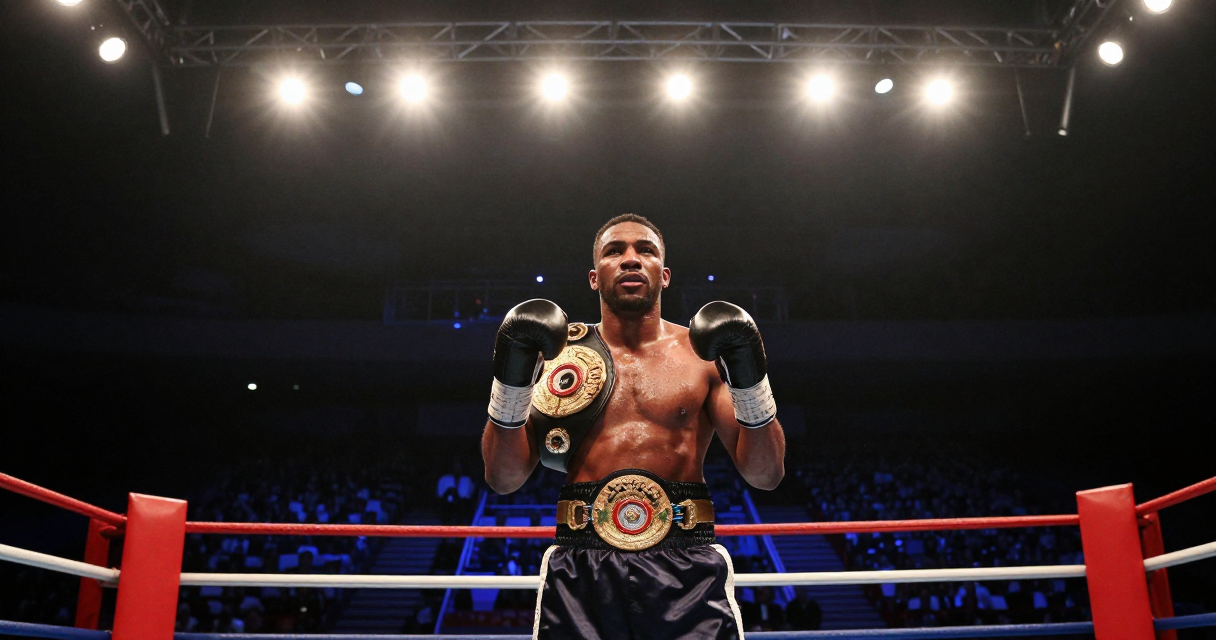
Calzaghe’s success was instrumental in putting Welsh boxing back on the map for a modern international audience. He demonstrated that a fighter based primarily in the UK could attract global attention and demand respect in the lucrative American market. His undefeated record remains a testament to the high standards of coaching and preparation available within Wales. By conquering the best that America and the rest of the world had to offer, Calzaghe inspired a new wave of Welsh boxers to believe that global domination was an attainable goal rather than an impossible dream.
The Commonwealth Games as a Launchpad
While professional titles are the ultimate goal, the Commonwealth Games have historically served as a vital proving ground for Welsh talent on the international stage. This multi sport event offers a unique platform for young boxers to experience the pressure of representing their country against high quality opposition from across the globe. Success at the Commonwealth level often acts as a springboard to the professional ranks or the Olympic team, providing fighters with the confidence and experience needed for higher competition. Recent performances by Welsh boxers at these games have highlighted the depth of talent, showcasing amateur boxing development in Wales as athletes from all regions secure medals.
The impact of these games extends beyond the medals themselves, as they foster a competitive environment where Welsh fighters learn the boxing training methods used in Wales to handle the tactical nuances of different styles. For instance, the success of fighters from Powys and other less heralded areas demonstrates that the talent pool is not limited to the traditional urban hotspots. The rigorous preparation required for Commonwealth competition ensures that when these athletes turn professional or step onto the world amateur stage, they are already battle hardened. This pipeline is essential for sustaining the international profile of Welsh boxing, providing strength and conditioning for boxers in Wales and ensuring a constant flow of capable and decorated athletes.
The Rise of Women’s Boxing and Lauren Price
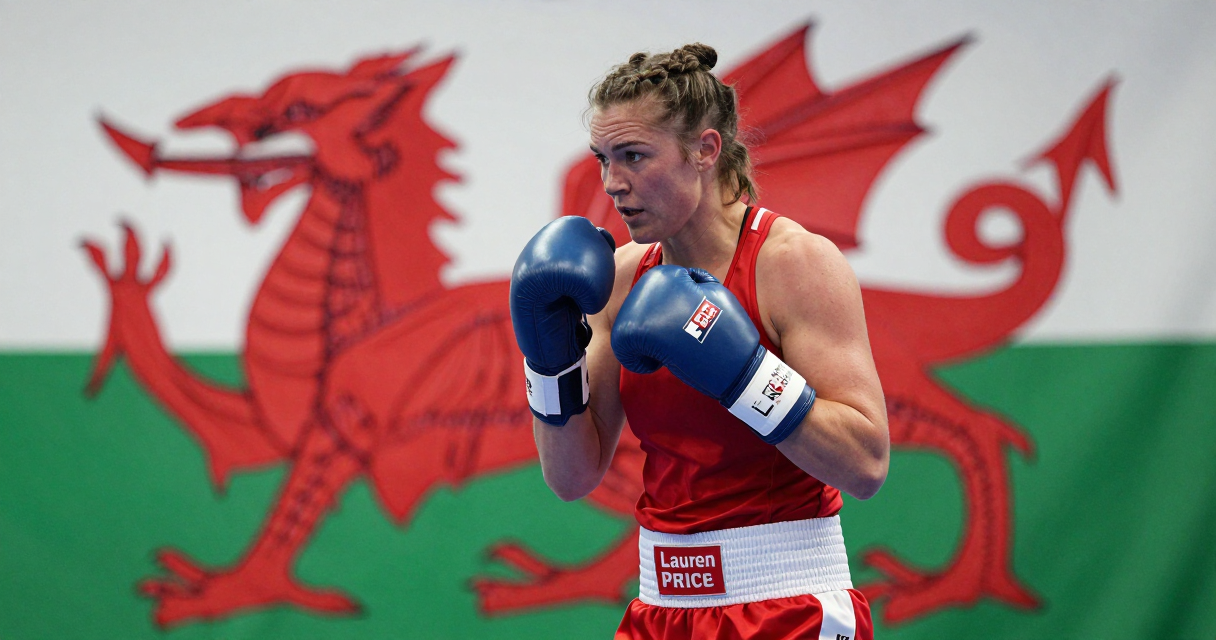
The emergence of women’s boxing has provided a new dimension to the Welsh presence on the international stage, with Lauren Price leading the charge as a genuine global superstar. Price’s transition from an extraordinary amateur career, which included an Olympic gold medal, to the professional ranks has been seamless and highly impressive. Her recent fights, including bouts against seasoned international opponents like Stephanie Pineiro, have showcased her ability to adapt her technical skill set for the professional code. Price fights with a calmness and intelligence that belies her relatively short time in the paid ranks, and she is rapidly becoming a household name far beyond the borders of Wales.

Growing up in the valleys, the atmosphere of a local fight night has always felt like home to me. I spend my weekends travelling the length and breadth of Wales to catch amateur and professional bouts, documenting the grit and glory of our fighters.