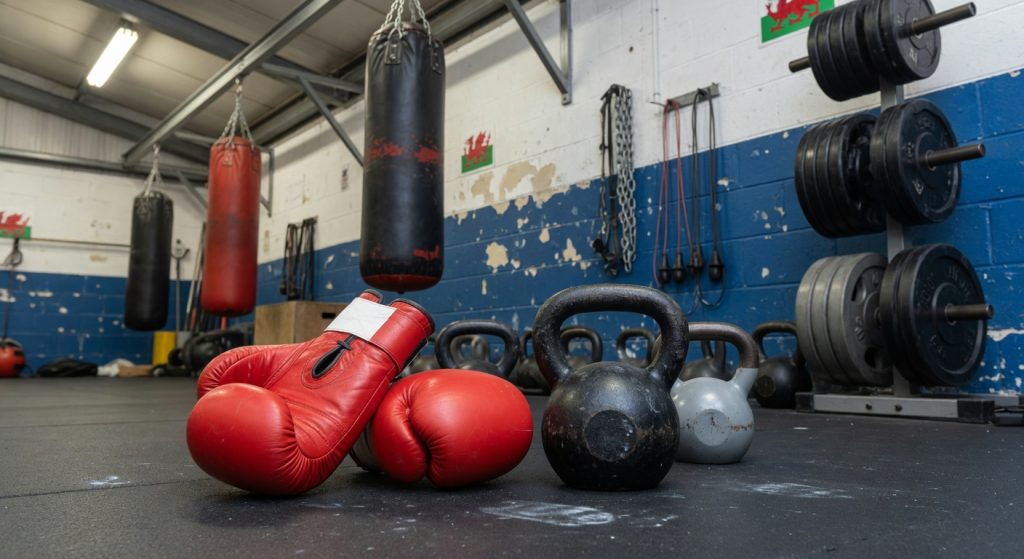
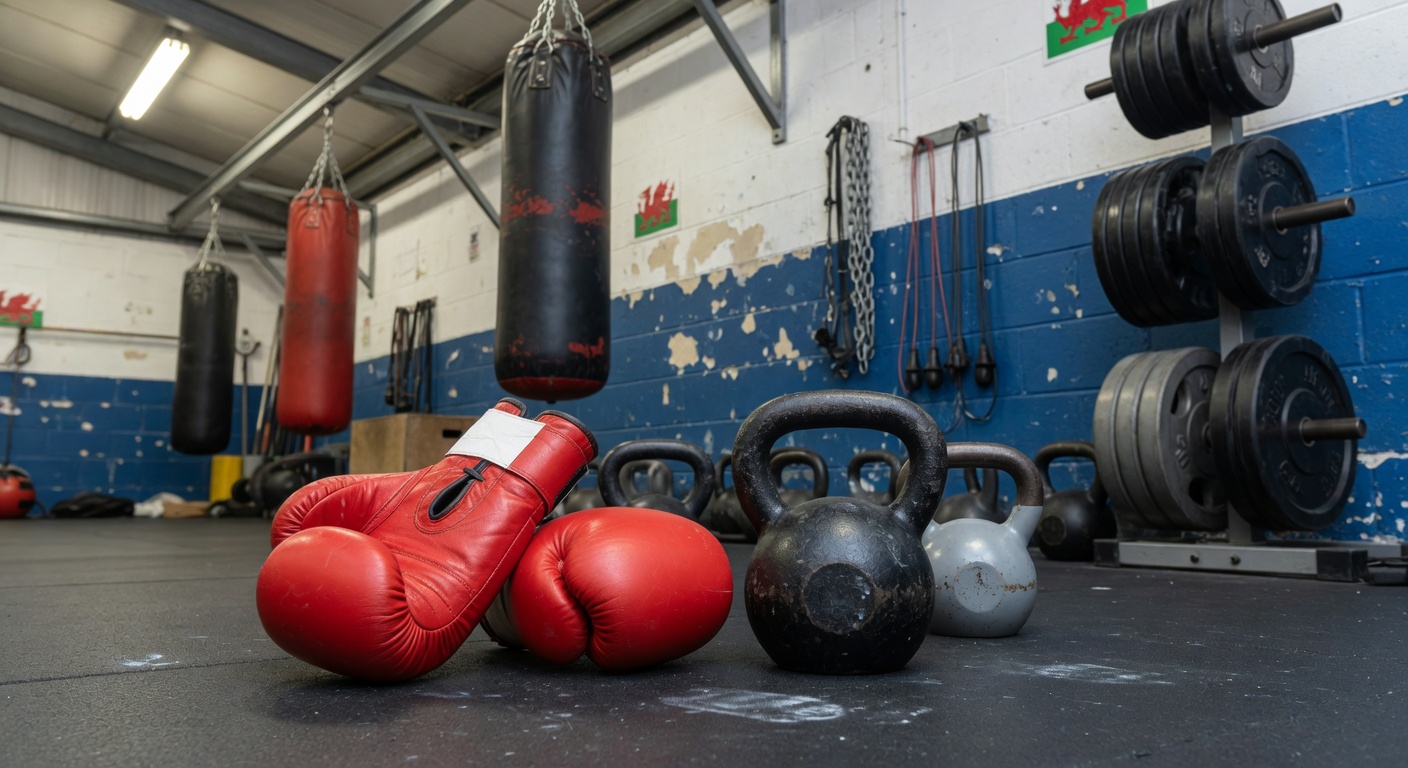
Overview of Strength and Conditioning for Boxers in Wales
Strength training and conditioning are critical components for any boxer aiming to excel in the competitive world of boxing, and this holds especially true for Welsh boxers. The unique physical demands of boxing require athletes to develop a blend of power, endurance, agility, and resilience. In Wales, strength and conditioning programs are often tailored to address these specific needs, accounting for the regional sporting culture, available resources, and environmental factors that influence training methodologies.
The rugged terrain and weather conditions in parts of Wales pose unique challenges and opportunities for conditioning. Many boxing gyms incorporate outdoor training sessions that leverage the natural landscape, using hills and uneven ground to enhance cardiovascular endurance and leg strength, essential for maintaining stamina and footwork during bouts. This outdoor conditioning complements traditional indoor strength training routines, creating a holistic approach that builds not only muscle but also functional fitness.
Welsh boxers benefit from strength training regimens focused on explosive power, core stability, and muscular endurance. Given the sport’s high-intensity intervals of action and recovery, conditioning programs integrate circuit training, plyometrics, and resistance work to improve boxing-specific fitness levels. This approach ensures that athletes can sustain forceful punches, quick movements, and strategic defensive actions throughout each round.
Additionally, the community-centric environment of boxing clubs in Wales fosters a supportive atmosphere where the development of strength and conditioning is closely tied to individual coaching and peer motivation. Many Welsh trainers utilise evidence-based practices that reflect both global advancements and local insights gained from the unique challenges their athletes face. This blend of tailored programming and regional awareness results in a comprehensive boxing fitness approach that prepares Welsh boxers to compete at both national and international levels.
In summary, strength and conditioning for boxers in Wales is not just about building muscle or improving cardiovascular capacity; it is about creating a training ecosystem adapted to the demands of the sport and the specific environment. This ensures that Welsh boxers develop the robust physical foundation they need to succeed, with conditioning programs designed to maximize their potential inside the ring.
Importance of Strength and Conditioning in Boxing
Strength and conditioning play a crucial role in enhancing boxing performance by improving several key physical attributes. Developing power through targeted strength training allows boxers to deliver more forceful punches, which can be decisive in both offensive and defensive situations. Equally important is endurance, as maintaining high energy levels throughout the duration of a match is essential for consistent performance. Conditioning exercises build cardiovascular stamina, enabling boxers to stay active and focused for longer periods without fatigue.
Agility is another vital component enhanced by a well-designed conditioning program. Quick footwork and the ability to rapidly change direction improve a boxer’s evasion and counterattack skills, giving them a tactical advantage in the ring. Furthermore, strength and conditioning directly contribute to injury prevention. Strengthening muscles, ligaments, and joints helps to absorb the impact of blows and reduces the likelihood of strains, sprains, and other common boxing injuries, keeping athletes in peak condition.
Overall, a balanced focus on power, endurance, agility, and injury prevention through strength and conditioning ensures that Welsh boxers can maximize their physical potential. This comprehensive approach supports superior boxing performance, helping athletes to compete safely and effectively at every level.
Unique Challenges for Boxers Training in Wales
Boxers training in Wales face several unique challenges that can significantly impact their strength and conditioning routines. One of the primary obstacles is the training environment; Wales’ often unpredictable and wet climate means that outdoor training sessions can be disrupted or less effective. The climate impact requires athletes to adapt their routines, often relying heavily on indoor facilities to maintain consistent training schedules.
However, the availability of local facilities can be limited, especially in more rural areas of Wales. Access to high-quality gyms equipped for boxing-specific conditioning may not be as widespread as in other regions, which can hinder the development of specialized strength and conditioning programs. This limitation forces many boxers to improvise or travel long distances to access the right resources for their training.
The boxing community in Wales, while passionate and supportive, can be small and tightly-knit. This can be both a benefit and a challenge. On one hand, it fosters strong camaraderie and motivation; on the other hand, it may limit exposure to a broader range of coaching styles and competitive sparring opportunities that are vital for a boxer’s growth.
Overall, these factors combine to create a unique set of challenges for Welsh boxers. Overcoming the climate impact, making the best use of the available local facilities, and leveraging the close-knit boxing community are all essential steps for boxers in Wales to optimize their conditioning and perform at their highest levels.
Essential Strength and Conditioning Exercises for Welsh Boxers
For Welsh boxers aiming to enhance their boxing exercises, integrating strength drills and conditioning routines is vital for building power, speed, and stamina. A well-rounded training program targets the fundamental physical attributes that contribute to superior performance in the ring.
One of the most effective strength drills for boxers involves compound movements like squats and deadlifts. These exercises engage multiple muscle groups simultaneously, promoting explosive power crucial for delivering strong punches. Incorporating weighted squats improves leg strength, stability, and endurance, leading to better footwork and quicker movement around the ring.
Push exercises such as bench presses and overhead presses boost upper body strength, enhancing the boxer’s ability to maintain a solid guard and throw powerful punches. To develop speed, boxers in Wales should focus on plyometric exercises such as medicine ball throws and clap push-ups, which condition fast-twitch muscle fibers critical for rapid striking and defensive maneuvers.
Core strength is essential for balance and transfer of power from the lower to upper body. Conditioning routines that include planks, Russian twists, and hanging leg raises help stabilize the torso, improving the efficiency of each punch thrown. A strong core also reduces the risk of injury during intense bouts and rigorous training sessions.
To boost stamina, Welsh boxers benefit greatly from high-intensity interval training (HIIT). Combining bursts of sprinting with active recovery periods mimics the stop-and-start nature of boxing rounds, conditioning the cardiovascular system to sustain effort over prolonged periods. Jump rope drills also serve as classic conditioning routines enhancing foot speed, coordination, and cardio fitness simultaneously.
Finally, integrating resistance bands into boxing exercises helps improve both speed and power. These bands provide variable resistance throughout punches, training muscles to accelerate and decelerate efficiently—an important element for maintaining explosive movement without sacrificing control.
By focusing on these essential strength drills and conditioning routines, Welsh boxers can elevate their training, resulting in improved performance during fights and greater longevity in their boxing careers.
Strength Training Programs for Boxing
Effective strength training programs for boxing combine weight training and resistance exercises designed specifically to enhance a boxer’s performance in the ring. Targeting muscle building and power development, these programs focus on functional strength that translates directly to improved punching force, endurance, and overall athletic ability.
Weight training should emphasize compound movements such as squats, deadlifts, and bench presses, which stimulate multiple muscle groups simultaneously, promoting muscle building and coordination. Incorporating resistance exercises like medicine ball throws, resistance band punches, and plyometrics helps develop explosive power and speed, essential for quick, powerful strikes and defensive maneuvers.
Programs are typically structured with a balance between heavy lifting days for maximal strength and lighter sessions focusing on speed and endurance. For boxers, maintaining mobility and flexibility is crucial, so stretching and mobility drills must accompany weight training to prevent stiffness and injury.
In summary, a well-rounded strength training program tailored to boxing integrates weight training for muscle building, resistance exercises for power development, and functional drills to ensure that strength gains enhance overall boxing performance effectively and safely.
Conditioning and Cardiovascular Workouts
Cardio training is an essential component for boxers in Wales aiming to enhance their performance in the ring. Conditioning workouts such as High-Intensity Interval Training (HIIT) and endurance training are specifically designed to sharpen cardiovascular fitness, critical for sustaining energy and power throughout a boxing match. HIIT workouts alternate between intense bursts of exercise and periods of rest or low-intensity activity, effectively improving heart and lung capacity while simultaneously boosting stamina and speed.
Endurance training focuses on building long-lasting cardiovascular stamina, allowing boxers to maintain peak performance without fatigue during rounds. Welsh boxers benefit from regimented routines that include steady-state cardio exercises like running, cycling, or swimming, which help develop a solid aerobic base. Combining this with HIIT sessions ensures a balanced approach to conditioning, targeting both aerobic and anaerobic systems vital for boxing.
By integrating cardio training tailored to the demands of boxing, athletes in Wales can improve recovery times between rounds, increase overall endurance, and enhance their ability to deliver powerful punches consistently. This cardio conditioning is especially important given the high pace and intensity of Welsh boxing circuits, where stamina building separates the best from the rest. Consistent commitment to these workouts results in improved cardiovascular health, greater energy reserves, and a competitive edge inside the ring.
Nutrition and Recovery Strategies for Boxers in Wales
For boxers in Wales aiming to maximise their strength and conditioning, the role of boxing nutrition and effective recovery strategies cannot be overstated. Proper nutrition fuels the body, supporting intense training sessions and facilitating muscle recovery, which is crucial for sustained performance in the ring.
Boxing nutrition for Welsh athletes should focus on balanced diet plans that provide the right mix of macronutrients – carbohydrates, proteins, and fats – to meet their energy and recovery needs. Carbohydrates serve as the primary energy source, replenishing glycogen stores depleted during high-intensity workouts. Proteins are vital for muscle repair and growth, helping to rebuild muscle fibers stressed during training, while healthy fats support hormonal balance and overall cell function.
In addition to macronutrients, micronutrients such as vitamins and minerals play a significant role in recovery. Vitamins like C and E act as antioxidants, reducing oxidative stress caused by rigorous training. Minerals like magnesium and calcium contribute to muscle contraction and relaxation, preventing cramps and aiding in proper muscle function.
Hydration is another critical factor in the recovery process. Adequate fluid intake helps maintain performance, aids in nutrient transport, and facilitates the removal of metabolic waste products. For Welsh boxers training in varying climates and conditions, maintaining hydration levels before, during, and after training sessions is essential to avoid fatigue and enhance recovery.
Recovery strategies extend beyond nutrition to include sufficient rest, quality sleep, and active recovery techniques such as stretching and low-intensity exercise to maintain blood flow and reduce muscle stiffness. Boxers in Wales often incorporate these recovery practices into their regimen to ensure their muscles repair effectively and their nervous system stays balanced, reducing the risk of injury and overtraining.
Ultimately, the integration of tailored diet plans with strategic recovery methods empowers Welsh athletes to optimise their strength and conditioning. When nutrition and recovery go hand in hand, boxers can enhance their performance, build resilience, and maintain peak physical fitness throughout their training cycles and competitive seasons.
Optimising Nutrition for Strength and Conditioning
For boxers in Wales, optimising nutrition is vital to ensure peak performance and effective recovery. A well-structured boxing diet focuses heavily on adequate protein intake to support muscle repair and growth. Incorporating lean protein sources such as chicken, fish, eggs, and plant-based options helps sustain strength training demands and enhances overall performance nutrition.
Performance nutrition for boxing also requires a balance of carbohydrates and fats to provide sustained energy during intense training sessions. Complex carbohydrates like whole grains, vegetables, and fruits replenish glycogen stores, while healthy fats from nuts, seeds, and oily fish support long-term energy needs and recovery. Regular meals spaced throughout the day help maintain energy levels and prevent fatigue.
Welsh sports nutrition experts recommend hydration alongside nutrient intake by encouraging boxers to drink sufficient fluids before, during, and after training. Post-exercise nutrition should include a combination of protein and carbohydrates to accelerate muscle recovery and restore energy.
Overall, adopting personalised diet plans that consider training intensity, recovery periods, and individual metabolic needs is key. This approach ensures that Welsh boxers can harness the full potential of strength and conditioning programs through targeted nutritional strategies tailored to optimise performance and support sustained athletic progression.
Recovery Techniques and Injury Prevention
Effective muscle recovery is essential for Welsh boxing athletes to maintain peak performance and reduce the risk of injury. Incorporating regular stretching routines helps improve flexibility, promotes blood flow to fatigued muscles, and aids in faster recovery post-training. Dynamic stretches before workouts prepare the muscles for intense activity, while static stretches after sessions assist in muscle relaxation and lengthening.
In addition to stretching, adhering to structured rest protocols is crucial. Adequate rest between training sessions allows muscle fibers to repair and strengthens the overall conditioning of the boxer. This balance between effort and recovery minimizes overuse injuries often seen in this high-impact sport. Rest periods should be individualized, reflecting the intensity of training and the athlete’s response to workload.
Injury prevention goes beyond recovery and involves proper technique, strength training, and listening to the body’s warning signs. Welsh boxers should focus on developing a strong core, stable joints, and balanced musculature to withstand the physical demands of boxing. Regular assessments by physiotherapists and sports medicine professionals can identify potential issues early and implement corrective strategies.
By integrating these recovery techniques—muscle recovery through stretching, rest protocols, and targeted injury prevention measures—Welsh boxing athletes can enhance their longevity in the sport and maintain consistent performance throughout their careers.

Growing up in the valleys, the atmosphere of a local fight night has always felt like home to me. I spend my weekends travelling the length and breadth of Wales to catch amateur and professional bouts, documenting the grit and glory of our fighters.