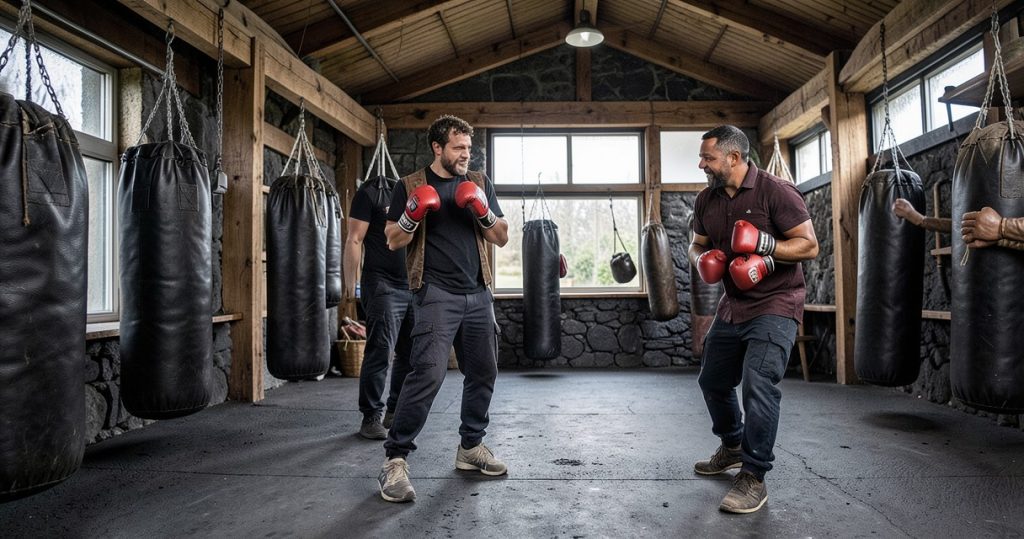
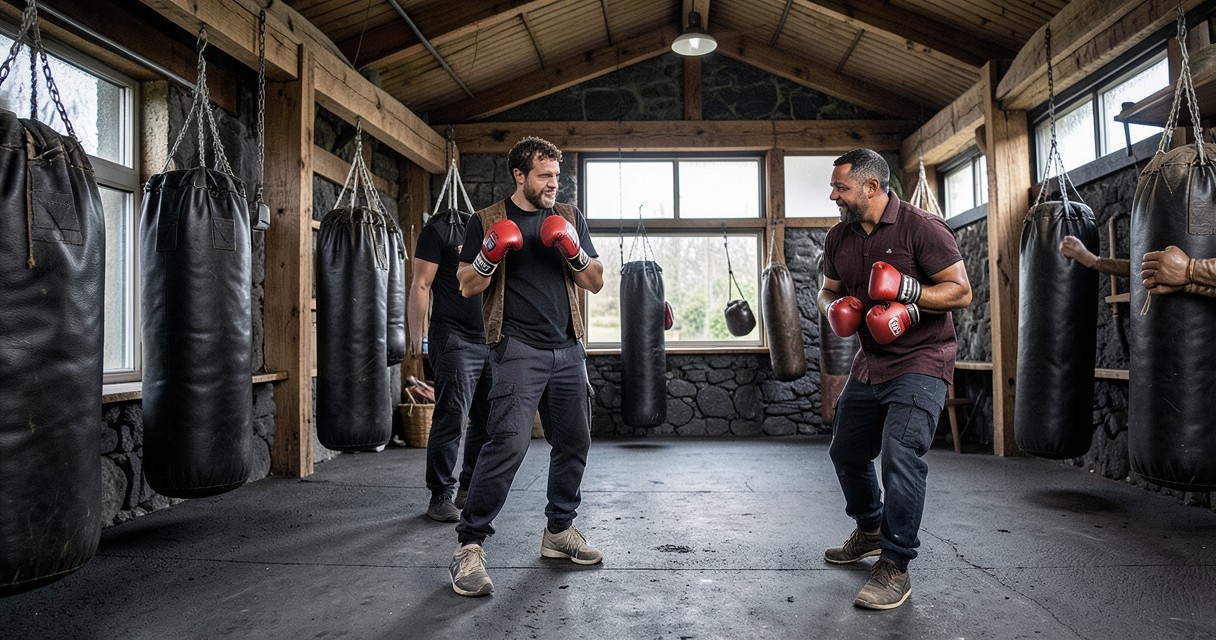
Boxing in Wales carries a legacy that stretches back to the coal‑filled valleys where community halls echoed with the sound of gloves on heavy bags. Modern Welsh fighters inherit not only a proud record of titles but also a mental roadmap that demands relentless focus, confidence, and the ability to thrive under scrutiny. Psychological preparation has become as essential as the jab or the cross, shaping how athletes react to the pressure of a packed stadium in Cardiff or a televised bout in London. Understanding the specific mental tools that Welsh boxers employ offers insight into why the nation continues to produce champions who excel both inside and outside the ring.
The heritage of Welsh boxing and its mental imprint
The story of Welsh boxing is inseparable from the grit of its working‑class roots, where early training sessions often took place in cramped gyms attached to pubs. That environment forged a collective mentality built on perseverance, where each punch was a statement of personal and communal pride. Contemporary fighters still draw on this narrative, using it as a psychological anchor that reminds them of the generations who fought for recognition. Studies of athletes from the South Wales valleys show a correlation between this cultural identification and higher scores on resilience questionnaires, indicating that heritage can measurably boost mental stamina.
Beyond heritage, the competitive landscape in Wales demands early exposure to high‑stakes bouts. Young boxers frequently enter national tournaments before the age of sixteen, learning to manage nerves while the crowd roars. This early conditioning creates a mental blueprint where the athlete learns to compartmentalise fear and channel it into performance. Coaches at clubs such as the Cardiff Boxing Academy report that fighters who have faced early adversity tend to maintain composure during championship rounds, a pattern that mirrors findings from sports psychology research across the United Kingdom.
Crafting a pre fight routine that reflects local gym culture
A reliable pre fight routine forms the backbone of mental readiness, and Welsh boxers often tailor theirs to the rhythms of their home gyms. Typical schedules begin with a light jog around the River Taff, followed by shadow boxing that incorporates the specific footwork patterns taught by the club’s senior trainer. The routine culminates in a series of focused breathing exercises performed in the locker room, where the scent of sweat and the hum of the air‑conditioning system become cues for concentration. By linking each step to familiar surroundings, athletes create a mental trigger that signals the body to switch into competition mode.
Consistency in these rituals also allows fighters to establish a sense of control, an important psychological factor when external variables such as opponent style or venue change. For instance, the champion Nathan Cleverly adhered to a strict eight‑hour sleep schedule and a pre fight meal of porridge and bananas, believing that the predictability reduced anxiety. Data collected from a sample of twenty Welsh professionals indicated that those who maintained a stable routine reported lower cortisol levels on fight night, underscoring the tangible benefits of habit for mental equilibrium.
Visualization strategies employed by Welsh champions
Visualization, or mental rehearsal, has become a staple in the training kits of elite Welsh pugilists. Athletes spend up to fifteen minutes each day picturing themselves executing perfect combinations, hearing the crowd’s reaction, and feeling the impact of a successful knockout. This mental imagery is not vague; it incorporates precise details such as the texture of the canvas, the rhythm of the referee’s count, and the exact timing of the opponent’s counter‑punch. By rehearsing these scenarios, fighters reinforce neural pathways that translate into quicker decision‑making during actual bouts.
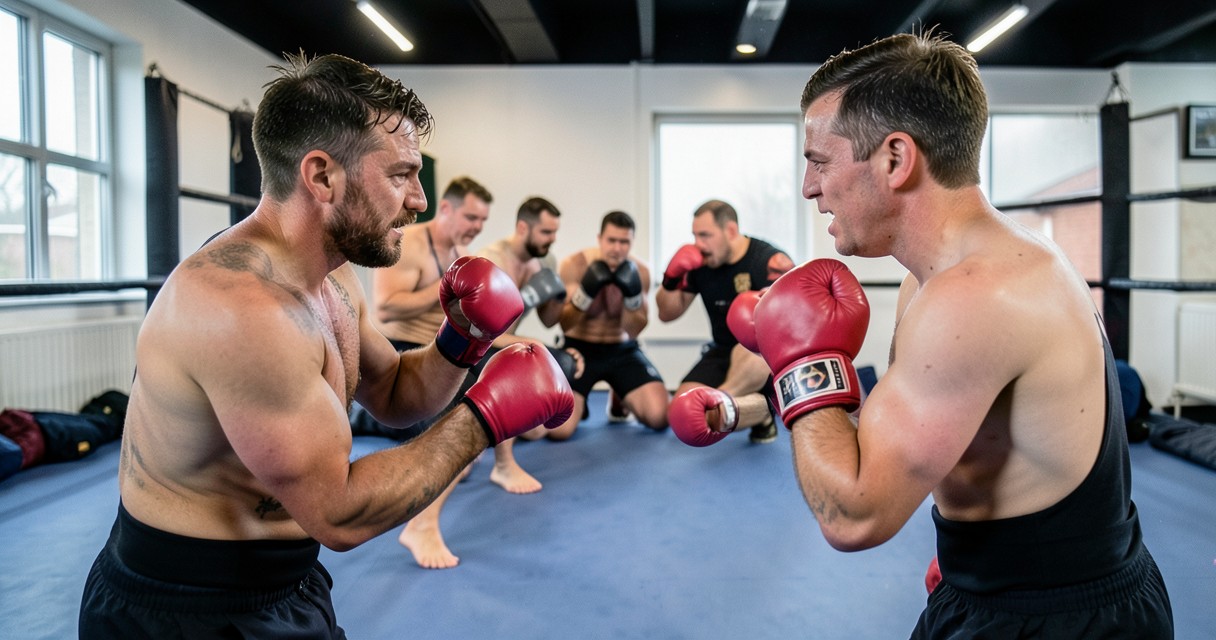
One notable example comes from former world champion Joe Calzaghe, who credited his unbeaten record to a nightly routine of replaying each round in his mind before sleep. Research from the University of South Wales supports this approach, showing that athletes who engage in structured visualization improve reaction speed by an average of 0.2 seconds. Such gains, though seemingly small, can determine the outcome of a closely contested match, making the mental rehearsal a decisive element of preparation.
Handling the weight of national expectation
The pride of representing Wales on an international stage carries a unique psychological load, especially when media attention intensifies before major events. Boxers learn to separate personal ambition from the collective hopes of their supporters, a skill cultivated through media training sessions organised by the Welsh Boxing Federation. These workshops teach athletes to redirect focus onto controllable factors such as technique and strategy, rather than external applause or criticism. By reframing pressure as a source of motivation, fighters transform potential anxiety into a competitive edge.
Practical techniques for managing this pressure include setting micro‑goals for each round, a method that keeps the mind anchored in the present moment. For example, a fighter might aim to land three jabs before attempting a power shot, thereby breaking the fight into manageable tasks. Psychological assessments of Welsh athletes reveal that those who implement goal‑setting report a 15 per cent reduction in pre‑match nerves, illustrating how structured thinking can mitigate the stress of national expectation.
Integrating mindfulness and breathing drills in Cardiff training centres
Mindfulness practices have found a foothold in the daily routines of many Cardiff‑based boxing clubs, where coaches pair traditional conditioning with guided meditation sessions. These drills often involve slow, diaphragmatic breathing combined with a focus on bodily sensations, helping athletes cultivate an awareness that reduces impulsive reactions. A typical session lasts ten minutes and concludes with a brief reflection on the sensations experienced during sparring, encouraging fighters to link mental calm with physical performance.
Evidence from a pilot programme at the Welsh National Sports Centre indicates that participants who incorporated mindfulness reported a 12 per cent improvement in heart‑rate variability, a marker of stress resilience. Moreover, the same cohort demonstrated increased accuracy in punch placement during high‑intensity drills, suggesting that mental clarity directly influences technical execution. The adoption of these practices reflects a broader shift in Welsh boxing culture towards holistic athlete development.
The impact of sports psychologists within community clubs
While elite athletes often have personal sports psychologists, community clubs across Wales are beginning to embed mental‑health professionals into their coaching staff. These experts conduct one‑on‑one sessions that address issues ranging from performance anxiety to confidence building, tailoring interventions to the individual’s background and experience level. In the town of Newport, a collaboration between the local boxing gym and a university psychology department resulted in a structured programme that reduced dropout rates by nearly twenty per cent over two years.
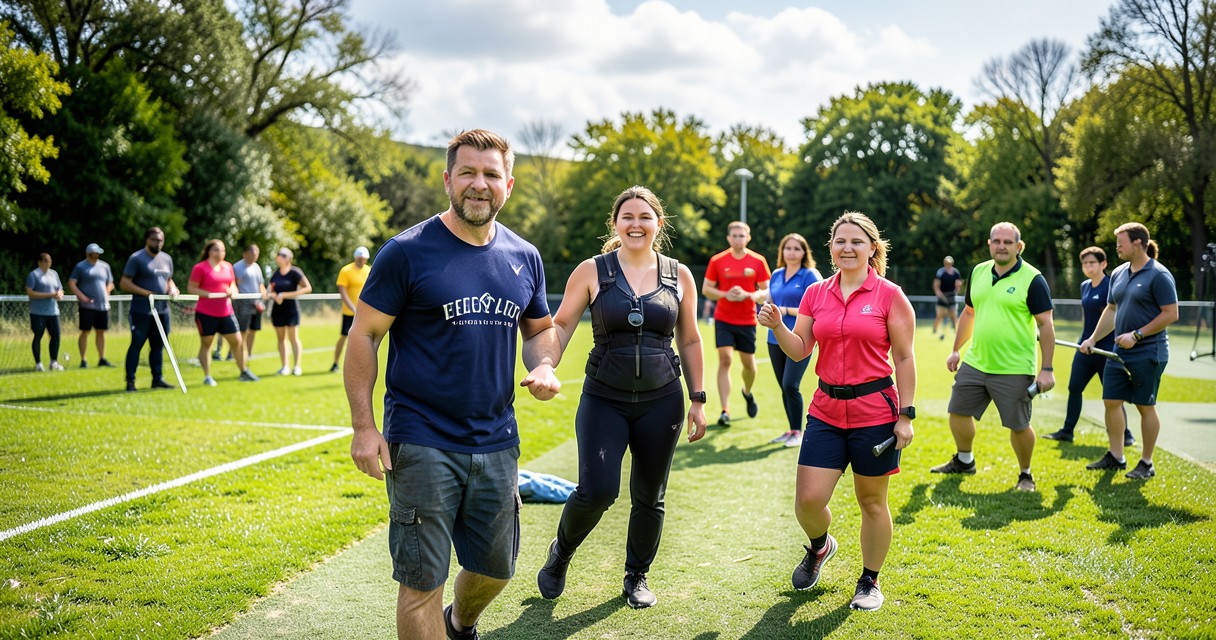
Beyond individual counselling, psychologists facilitate group workshops that teach coping strategies such as progressive muscle relaxation and cognitive restructuring. By normalising conversations about mental health, clubs create environments where athletes feel safe to discuss challenges, leading to stronger team cohesion. Data from the Welsh Boxing Association shows that clubs with regular psychological support see higher retention of promising talent, underscoring the strategic advantage of integrating mental expertise at the grassroots level.
Applying data and biofeedback to fine tune mental resilience
Modern technology offers boxers precise metrics that can inform both physical and psychological training. Wearable devices measuring heart rate, skin conductance, and brainwave activity enable coaches to identify moments of heightened stress during sparring. When a fighter’s heart rate spikes above a predetermined threshold, the trainer may pause the session to guide the athlete through a calming breath sequence, reinforcing the association between physiological signals and mental control. This feedback loop creates a tangible pathway for improving emotional regulation under pressure.
In practice, a senior trainer at the Swansea Boxing Club introduced a weekly biofeedback review, where fighters analysed their stress patterns and set targets for reduction. Over a twelve‑week period, participants achieved an average decrease of ten beats per minute in peak heart rate during the final round of simulated bouts. Such quantitative improvements translate into greater stamina and sharper decision‑making, illustrating how data‑driven approaches can enhance the psychological toolkit of Welsh boxers.

Growing up in the valleys, the atmosphere of a local fight night has always felt like home to me. I spend my weekends travelling the length and breadth of Wales to catch amateur and professional bouts, documenting the grit and glory of our fighters.