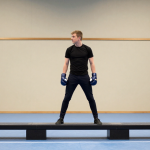

Stepping into a Welsh boxing club when the sky turns grey is a test of commitment for any club fighter. The damp chill of a Welsh winter can seep into bones, making the usual outdoor roadwork feel like a chore rather than a ritual. Yet, the rhythm of the sport does not pause when the rain falls. For those training in the valleys and coastlines of Wales, maintaining sharpness inside a gym becomes the only viable path. The key is to transform a perceived setback into a focused session of skill refinement. This guide outlines practical rainy day gym routines designed specifically for Welsh club fighters, ensuring that progress continues regardless of the weather outside.
Warm-up and Mobility Foundations
The first priority when the gym is the only option is a thorough warm-up to counteract the cold and stiffness that rain often brings. A common mistake among club fighters is jumping straight into the heavy bag without preparing the joints, especially the shoulders and hips which take the brunt of punching power. Start with five minutes of light skipping, keeping the rope tight and the wrists supple, focusing on quick footwork patterns that mimic ring movement. Follow this with dynamic stretches such as arm circles and torso twists, moving slowly to increase blood flow without straining cold muscles. Incorporating neck rolls and shoulder shrugs helps release tension that accumulates during long hours of training in a damp environment. Remember, a proper warm-up is not just about preventing injury; it is about priming the body to execute techniques with precision when the session intensifies.
Once the body is warm, shift focus to mobility drills that specifically benefit the boxing stance and movement. Welsh fighters often pride themselves on their elusive footwork, and rainy days are perfect for honing this indoors. Practice pivoting on the balls of the feet, moving forward and backward while maintaining a tight guard, and shuffling side to side without crossing the feet. These drills improve balance and ensure that when you eventually return to the bag or sparring partner, your movement is crisp and efficient. Focus on keeping the centre of gravity low and the chin tucked, simulating the defensive posture required against aggressive opponents. By dedicating this section to foundational movement, you set the stage for more technical work later in the session.
Bag Work Refinement Techniques
Bag work is the cornerstone of any boxing training regimen, and on a rainy day, it becomes an even more valuable tool for technical precision. Without the distraction of outdoor elements or the noise of a bustling outdoor circuit, the gym interior offers a controlled environment to focus on form. Begin with light combinations, throwing three to four punch sequences at a time, focusing on the snap of the jab and the rotation of the cross. Pay close attention to the reset between punches; many Welsh club fighters tend to rush their combinations, leading to dropped guards and lost balance. Use the heavy bag to practice resetting the feet after each strike, ensuring that every punch is followed by a return to the optimal fighting stance.
As the session progresses, increase the intensity by incorporating speed and power shots, but always maintain the technical cues learned during the warm-up. Practice slipping and rolling against the imaginary opponent represented by the bag, moving the head off the centre line while the arms maintain a defensive posture. This is particularly important for club fighters who may not have access to frequent sparring partners, as bag work can simulate the defensive patterns needed in a real fight. Experiment with different angles, stepping around the bag to practice cutting off the ring or creating angles for counter-punching. The key is to treat every round as if it were a real contest, focusing on accuracy over brute force, which will translate into better performance when the weather clears.
If the gym has other members training, partner drills and focus mitt work are invaluable for recreating the dynamic of a real boxing match. On a rainy day, the intimacy of working with a teammate can boost morale and provide the feedback loop necessary for improvement. Start with basic mitt exchanges, where the holder calls out specific combinations and the fighter must react with the correct punch while maintaining footwork. Focus on the timing of the punches and the recovery time between exchanges, simulating the rhythm of a round. The holder should vary the height and speed of the mitts to force the fighter to adapt, mimicking the unpredictability of an opponent in the ring.
Incorporate defensive drills into the mitt work to maximize the benefit of the session. Practice parrying, slipping, and rolling under the mitts, focusing on the movement of the head and shoulders. A common pitfall for club fighters is becoming too stationary; therefore, the holder should move the mitts around, requiring the fighter to pivot and step to avoid the strike. Work on counter-punching immediately after a defensive move, throwing a jab or cross the moment the opponent’s attack is deflected. This not only improves defense but also builds the confidence to attack from a disadvantaged position. Remember to communicate with your partner, calling out when a drill feels too easy or too difficult, ensuring that the training load is appropriate for both parties.
Footwork and Conditioning Circuits
Rainy days often mean limited space, but that should not hinder the development of essential footwork and conditioning. Set up a circuit using the available gym real estate, focusing on exercises that elevate the heart rate while improving agility. A effective circuit might include shuttle runs between two marked points, high knees, and lateral bounds, all performed with boxing gloves on to add resistance. The goal is to mimic the explosive bursts of energy required in a fight, followed by brief periods of active recovery. Keep the rest intervals short, around 30 seconds, to simulate the pace of a boxing round and to build cardiovascular endurance specific to the sport.

Incorporate ladder drills if a footwork ladder is available, or simply use tape on the floor to create patterns for quick feet. Focus on moving the feet rapidly while keeping the upper body relaxed and the guard up. This type of conditioning is crucial for Welsh club fighters who often train in smaller, older gym spaces where footwork can become stagnant. By varying the drills and the direction of movement, you challenge the nervous system to adapt, which translates to better ring generalship. Ensure that every movement is purposeful, landing softly on the balls of the feet to protect the joints, especially when training on potentially slippery gym floors caused by the external rain.
Strength and Conditioning Adaptations
When the usual outdoor running route is flooded or muddy, the gym provides an excellent venue for strength and conditioning work that supports boxing performance. Focus on bodyweight exercises that require minimal space but deliver maximum benefit to the muscle groups used in punching and movement. Press-ups, both standard and explosive variations like clap press-ups, are excellent for building chest and triceps strength, which drives the forward momentum of a jab. Incorporate squats and lunges to maintain lower body power, essential for generating force from the ground up into a hook or uppercut. Keep the repetitions high and the rest periods moderate to keep the heart rate elevated, turning a strength session into a conditioning one.
Additionally, utilise the gym’s available equipment such as dumbbells or kettlebells if present, focusing on movements that improve core stability and rotational power. Russian twists and medicine ball slams are particularly effective for developing the oblique muscles that transfer power through the torso during a punch. For club fighters without access to heavy weights, resistance bands can be a versatile tool for shoulder stability and rotator cuff health, areas often overlooked but critical for preventing injury during long training cycles. The key is to remain consistent with the training stimulus, even when the environment changes, ensuring that the physical base required for boxing remains solid regardless of the weather.
Mental Visualisation and Strategy Review
Boxing is as much a mental game as it is physical, and rainy days offer the perfect opportunity to step back from the physical exertion and engage in mental rehearsal. Find a quiet corner of the gym or use the ring area to close your eyes and visualise specific scenarios you wish to improve upon. Picture yourself executing a perfect combination, slipping an opponent’s jab, or countering with a precise cross. The more vivid the mental image, the more likely the neural pathways will strengthen, translating to better performance when you are actually in the ring. This practice is especially useful for club fighters who may be preparing for a specific opponent or working on a new technique learned in gym.

Beyond visualisation, use the downtime to review video footage or strategy notes if available. Analyse your previous fights or training sessions, noting patterns in your movement and punch selection. Identify areas where you tend to drop your guard or where your footwork becomes lazy under pressure. Discuss these observations with your coach or training partners, brainstorming drills that target those specific weaknesses. This analytical approach ensures that every rainy day session, while perhaps less glamorous than a outdoor run, contributes intelligently to your overall fight IQ and technical arsenal. The combination of physical drills and mental work creates a holistic training environment that prepares the fighter for any challenge.

Growing up in the valleys, the atmosphere of a local fight night has always felt like home to me. I spend my weekends travelling the length and breadth of Wales to catch amateur and professional bouts, documenting the grit and glory of our fighters.