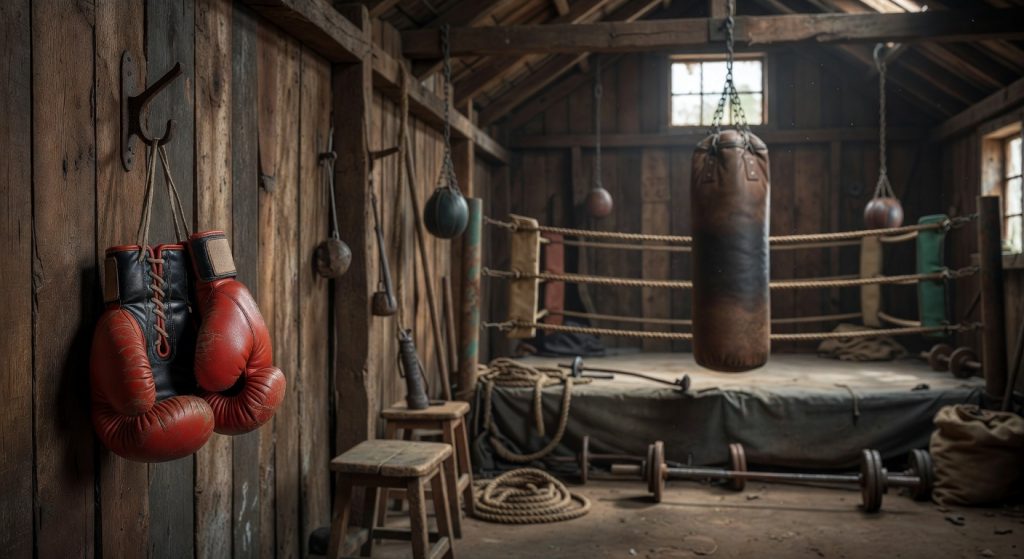

Overview of Traditional Boxing Drills in Welsh Gyms
Traditional boxing drills hold a storied place within Welsh gyms, serving as the backbone of boxing training and reflecting the rich boxing culture Wales is celebrated for. These drills, passed down through generations of Welsh fighters, are more than just exercises; they are a testament to the dedication and discipline synonymous with boxing in Wales. Welsh gyms have long been sanctuaries where these time-honored methods are preserved and practiced, allowing fighters to hone their skills through techniques refined by history.
The history of traditional boxing drills in Wales intertwines closely with the country’s industrial heritage, where boxing was not only a sport but a symbol of resilience and community spirit. These drills were developed to build stamina, precision, and tactical awareness, qualities that are essential in the ring. From shadowboxing and heavy bag work to intricate footwork routines, each drill carries lessons on technique and mental toughness. Welsh gyms have maintained these practices with great pride, ensuring that the cultural impact of boxing remains strong and that each fighter’s training is deeply rooted in tradition.
In the context of boxing training, traditional drills serve a dual purpose: they prepare fighters physically while fostering an appreciation of the sport’s heritage. This cultural preservation plays a key role in the identity of Welsh boxing, where gyms double as community hubs that celebrate local talent and history alike. By adhering strictly to these drills, trainers in Welsh gyms ensure that boxing’s legacy is passed along with unwavering respect for its origins and techniques.
Ultimately, traditional boxing drills in Welsh gyms represent more than physical workouts; they embody a spiritual connection to the sport’s roots in Wales. This connection enriches the training environment, inspiring athletes to embody the proud history and cultural significance of Welsh boxing in every session. The continuation of these drills reinforces Wales’s reputation as a nation that not only produces skilled boxers but also deeply values the cultural dimensions of boxing training.
Historical Roots of Boxing in Wales
The history of boxing in Wales is deeply intertwined with the country’s rich sporting culture and working-class heritage. Welsh boxing heritage dates back to the 18th and 19th centuries when bare-knuckle fights were common in local communities. These early contests were often informal yet fiercely competitive, reflecting the resilience and determination of Welsh fighters. Over time, these bouts evolved into more structured events, laying the foundations for modern boxing in Wales.
The origins of boxing in Wales are characterized by traditional training methods that focused on physical toughness, discipline, and skill development. Welsh gyms became hubs for nurturing local talent, emphasizing rigorous drills such as skipping, heavy bag work, and shadowboxing—all designed to build stamina and technique. These practices have been passed down through generations, preserving a unique style rooted in Wales’ historical approach to the sport.
Today, the history of boxing in Wales continues to influence training routines in gyms across the country. Coaches still incorporate traditional drills reflective of the Welsh boxing heritage, maintaining a balance between honoring the past and adapting to modern techniques. This connection to history not only strengthens the identity of Welsh boxing but also inspires new fighters who carry forward a proud legacy built on hard work and passion.
Typical Boxing Drills Practiced
In traditional Welsh gyms, boxing drills form the backbone of training routines, focusing on enhancing skill, agility, and endurance. Shadowboxing is a fundamental drill widely practiced, allowing boxers to perfect their technique, improve hand-eye coordination, and rehearse Welsh boxing techniques without the resistance of a physical opponent. This drill sharpens focus and helps develop fluid movements essential in the ring.
Footwork drills are another critical component of training exercises in Wales. These drills emphasize balance, speed, and precision of movement, enabling boxers to evade punches effectively and position themselves for counterattacks. Consistent practice of footwork enhances a boxer’s agility and defensive skills, vital for controlling the pace of a match.
Bag work remains a staple in Welsh boxing gyms, providing an opportunity to build strength, power, and timing. By working on heavy bags, speed bags, and double-end bags, boxers develop a comprehensive skill set. Bag drills aid in refining punching accuracy and conditioning muscles, supporting overall endurance. Integrating these traditional boxing drills in Wales ensures fighters maintain a solid foundation in their training regimen while mastering techniques essential for competition.
Key Traditional Boxing Drills Explained
Traditional boxing drills form the backbone of training regimes in Welsh gyms, helping fighters develop essential boxing techniques, sharpen their skills, and enhance overall performance in the ring. These time-tested exercises focus on precision, speed, endurance, and tactical awareness, ensuring that each boxer not only improves physically but also hones mental discipline. Let’s explore some of the fundamental Welsh boxing exercises commonly practiced and their training goals.
One of the cornerstone drills is shadowboxing. This exercise involves boxers moving in front of a mirror or open space, simulating fights by throwing punches, practicing footwork, and visualizing opponents. This drill is crucial for refining boxing techniques like jabs, crosses, hooks, and uppercuts without the resistance of a partner. Shadowboxing enhances muscle memory, balance, and rhythm, while also allowing the boxer to focus on defensive maneuvers and combinations, making it a versatile training drill used daily in Welsh gyms.
Another fundamental training drill is the heavy bag workout. Welsh boxing exercises often incorporate heavy bag sessions to improve punching power, endurance, and accuracy. The heavy bag allows boxers to practice various punches—from straight strikes to powerful hooks—while developing the ability to maintain high-intensity output over multiple rounds, simulating real fight conditions. This drill also improves cardiovascular conditioning and helps in mastering different boxing techniques under resistance.
Speed bag training is also a vital part of traditional Welsh boxing drills. This exercise enhances hand-eye coordination, timing, and rhythm, all of which are critical in executing swift counterattacks and defensive moves in the ring. The speed bag drills build quick reflexes and ensure that a boxer’s hands stay active and ready during bouts. Consistent practice with the speed bag contributes significantly to refining the fluidity of boxing skills.
Lastly, the double-end bag drill is favored for improving accuracy and defensive skills. This bag moves unpredictably, requiring boxers to anticipate and react swiftly, which improves focus and enhances defensive boxing techniques such as slipping, bobbing, and counter striking. The training goal here is to sharpen a boxer’s ability to time punches precisely while maintaining effective movement and posture.
These traditional boxing drills, embraced in Welsh gyms, are designed not only to develop physical capability but also to instill discipline and technical expertise. By continuously practicing these boxing techniques and training drills, boxers can build a strong foundation to excel in their sport.
Shadowboxing and Its Importance
Shadowboxing is a fundamental technique in Welsh boxing drills, essential for refining boxing footwork, perfecting form, and enhancing overall technique practice. It involves moving around and throwing punches into the air without an opponent, allowing boxers to focus entirely on their movement, balance, and combinations. This drill is a staple in Welsh gyms, helping fighters to visualize real fight scenarios while maintaining control of their body mechanics.
By practicing shadowboxing regularly, boxers develop fluidity in their footwork, ensuring they can swiftly navigate the ring with agility and precision. The drill encourages consistent posture adjustments and weight distribution, which are critical for delivering powerful punches and avoiding counterattacks. Welsh boxing drills emphasize shadowboxing not only for physical conditioning but also as a way to mentally prepare for the unpredictability of a match.
Moreover, shadowboxing cultivates mental focus and sharpens reaction speed, as boxers simulate various fight scenarios and anticipate their opponent’s moves. This practice builds confidence and sharpens decision-making skills, making it a vital component of Welsh boxing training. Overall, shadowboxing bridges the gap between technique practice and real combat, reinforcing the foundations that every boxer in Welsh gyms relies on.
Heavy Bag Work for Power and Endurance
In Welsh boxing gyms, heavy bag training is a cornerstone exercise designed to enhance both punching power and boxing endurance. These gyms emphasize a variety of power drills that focus on delivering strong, precise punches repeatedly, which builds muscular strength and explosive force. By striking a heavy bag, boxers in Wales develop the ability to generate power from their core and legs, transferring it efficiently through their fists.
The training sessions often include intervals of intense bag work, where boxers throw powerful combinations for set periods, such as 3-minute rounds akin to actual fight conditions. This approach not only improves power but also conditions the cardiovascular system, enhancing overall stamina. Welsh boxing gyms frequently integrate varied rhythms and punch speeds into these drills, pushing fighters to maintain high output without losing technique or form.
Boxers are encouraged to mix heavy punches with rapid-fire jabs to balance power and endurance training. The heavy bag’s resistance helps strengthen arm and shoulder muscles, while the continuous motion promotes muscular endurance and mental toughness. Welsh coaches also focus on footwork and body movement during bag sessions, ensuring that fighters develop a comprehensive skill set that supports both offensive power and defensive resilience.
Overall, heavy bag training in Welsh boxing gyms is a highly effective method for building the endurance needed to sustain powerful punches throughout the match. This traditional drill remains integral in preparing fighters to perform with both strength and stamina in the ring.
Skipping Rope for Agility and Conditioning
Skipping rope is a fundamental component of Welsh boxing training, serving as an essential tool for enhancing boxing agility and overall conditioning. This simple yet highly effective exercise is integrated into conditioning drills to improve a boxer’s footwork, coordination, and cardiovascular fitness simultaneously. Welsh gyms emphasize skipping rope routines for their ability to sharpen a fighter’s reflexes and timing, critical elements in the ring.
Boxers use the skipping rope to develop quick, light foot movements, which are vital in dodging punches and delivering swift counterattacks. The repetitive rhythm improves muscle memory and balance, allowing a fighter to maintain stability while executing complex movements. Additionally, this activity elevates the heart rate, promoting endurance and strengthening the cardiovascular system, which enables boxers to sustain intensity over multiple rounds.
In Welsh boxing gyms, skipping rope exercises are often combined with other conditioning drills to create high-intensity interval training sessions. These sessions not only build stamina but also mimic the stop-start nature of a boxing match, training athletes to recover quickly between bursts of activity. The use of skipping ropes in these routines highlights its dual role in improving not just physical stamina but also agility and coordination.
Overall, incorporating skipping rope exercises in Welsh boxing training ensures that fighters develop the multifaceted skill set required for competitive success, blending cardiovascular fitness with precise, agile movements essential in the sport.
Benefits of Practising Traditional Boxing Drills in Wales
Engaging in traditional boxing drills within Welsh gyms and local community centres offers a wealth of benefits that go beyond just learning the sport. These boxing benefits can be seen both physically and mentally, helping athletes develop comprehensive skills that contribute to their overall well-being.
From a physical fitness perspective, traditional boxing drills provide an intense workout that improves cardiovascular health, endurance, and muscle strength. Welsh gym training often incorporates various classic techniques such as shadowboxing, heavy bag work, and footwork drills, all of which help condition the body. This consistent practice builds stamina and agility, critical attributes for any athlete aiming to enhance their physical performance. The repetitive nature of these drills also promotes better hand-eye coordination and faster reflexes, making practitioners more adept in their movements and response times.
Mentally, boxing drills foster discipline and mental toughness among athletes. In Welsh gyms, these sessions challenge participants to push their limits, manage stress, and maintain focus under pressure. The intense concentration required when practising traditional boxing moves nurtures resilience, enabling athletes to keep a clear mind even in difficult situations. This mental toughness is invaluable both inside and outside of the ring, often translating to improved confidence and problem-solving skills in daily life.
Moreover, training in a community setting within Welsh gyms encourages camaraderie and mutual support, which further enhances psychological well-being. Being part of a group that shares a commitment to boxing benefits creates an encouraging environment where individuals motivate each other, celebrate progress, and build lasting friendships. This social aspect contributes significantly to mental health and helps maintain motivation over time.
In summary, traditional boxing drills practiced in Wales provide a balanced approach to fitness by improving physical attributes like strength, endurance, and coordination, while simultaneously enhancing mental toughness and emotional resilience. The combination of these benefits in Welsh gym training makes boxing more than just a sport; it’s a holistic discipline that positively impacts every aspect of an athlete’s life.
Physical Conditioning and Skill Development
Traditional boxing drills in Welsh gyms play a pivotal role in enhancing both physical fitness and boxing skills. These time-tested exercises are designed to build endurance, strength, agility, and speed, all of which are essential components for any boxer aiming to perform well locally or in competitive arenas. By focusing on repetitive movements that mimic fight scenarios, fighters condition their bodies to withstand intense physical demands and develop muscle memory crucial for quick reflexes during bouts.
Strength training is a cornerstone of these drills, targeting key muscle groups that contribute to powerful punches and effective defensive maneuvers. Welsh boxing gyms emphasize a combination of bodyweight exercises, bag work, and partner drills to foster strength without sacrificing mobility. This balanced approach ensures boxers maintain a high level of physical fitness while honing specific skills like footwork, timing, and accuracy.
Moreover, these drills promote mental toughness and discipline, qualities vital for sustaining performance under pressure. Welsh boxing culture deeply values this holistic method, recognizing that superior physical conditioning directly translates to improved boxing skills. Whether training for local matches or national competitions, traditional drills provide a foundation that equips boxers with the resilience and technical prowess necessary to excel in the ring.
Cultural Significance and Community Engagement
Traditional boxing drills in Welsh gyms go far beyond physical training; they serve as a vital thread in the fabric of boxing culture Wales is proud to uphold. Rooted deeply in the legacy of the sport, these drills act as a powerful medium to preserve the cultural heritage of boxing as a traditional sport cherished by many Welsh towns and communities.
Community boxing initiatives centered around these time-honored drills are pivotal in fostering a strong sense of belonging and camaraderie among participants. Welsh gyms become more than just training spaces—they transform into hubs where individuals of all ages and backgrounds come together, united by a shared passion for the sport and its rich history.
This collective participation helps promote positive social engagement, creating safe environments where discipline, respect, and teamwork are cultivated. By embracing traditional boxing techniques, Welsh gyms also ensure the transmission of invaluable skills and stories from one generation to the next, keeping the spirit of the sport alive and relevant within the community.
Ultimately, the integration of traditional boxing drills in community boxing programs not only strengthens individual athletic abilities but also bolsters social bonds, enriching Welsh towns culturally and socially through a shared appreciation of their boxing heritage.

Growing up in the valleys, the atmosphere of a local fight night has always felt like home to me. I spend my weekends travelling the length and breadth of Wales to catch amateur and professional bouts, documenting the grit and glory of our fighters.