Understanding Boxing Nutrition in Wales
Nutrition plays a crucial role in the success and performance of boxing athletes in Wales. The demanding nature of boxing requires a well-balanced diet that supports intensive training, optimal recovery, and peak performance during competition. For Welsh boxers, tailoring their nutrition regimen to meet these needs while incorporating local dietary habits is essential to maintaining their competitive edge.
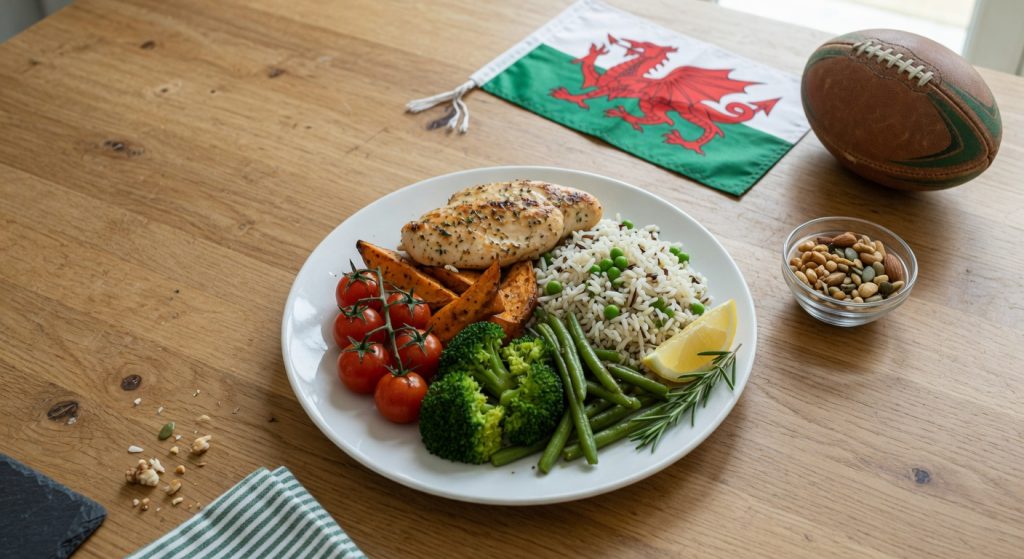
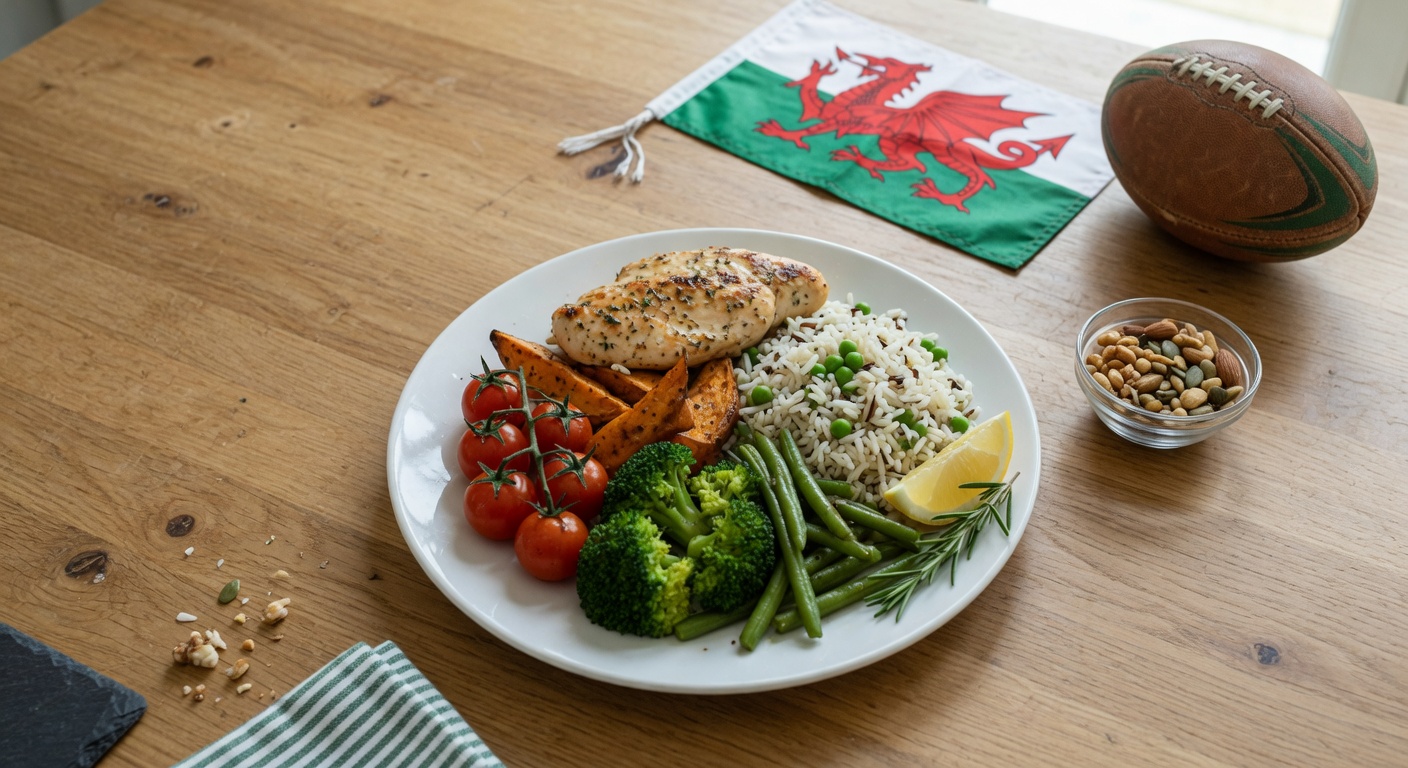
Boxing nutrition in Wales emphasizes a combination of macronutrients that fuel endurance, strength, and quick recovery. Protein is vital for muscle repair and growth, helping athletes cope with the rigorous training typical in the sport. Welsh athletes nutrition strategies often include lean meats, seafood, and dairy products, which are readily available and rich sources of high-quality protein. Carbohydrates provide the necessary energy for both training and fight times, with whole grains, root vegetables, and fruits playing a significant part in the athletes’ diet.
Local dietary preferences in Wales also influence the boxing diet. Traditional Welsh foods such as lamb, leeks, and fresh fish contribute to the nutritional needs of sportspeople. These regional foods are nutrient-dense, providing essential vitamins and minerals needed for sustained energy and muscle function. Sports nutrition Wales initiatives often encourage boxers to optimize these local ingredients to enhance their diet’s effectiveness and promote regional food culture.
The impact of a well-structured boxing nutrition plan can be seen in an athlete’s stamina, strength, and overall performance. Proper hydration and nutrient timing, combined with the right balance of fats, proteins, and carbohydrates, help boxers maintain their weight categories without sacrificing endurance or power. In Wales, coaches and nutritionists work together to educate boxers on the importance of a specialized boxing diet tailored to their individual needs and the demands of the sport.
In summary, boxing nutrition Wales experts recognize the importance of integrating local dietary habits with scientific sports nutrition principles. This approach helps Welsh boxing athletes achieve their best results by fueling their bodies effectively, aiding recovery, and sustaining high levels of physical and mental performance throughout their careers.
Role of Macronutrients for Welsh Boxers
For Welsh boxers, understanding the role of macronutrients—carbohydrates, protein, and fat—is essential to optimizing performance and recovery. These macronutrients serve as the primary energy sources boxing demands, each playing a distinct and vital role in a boxer’s diet.
Carbohydrates are the body’s chief energy source, particularly during high-intensity training and matches. They provide the fuel needed for sustained effort, supporting endurance and quick movements in the ring. Welsh athletes should prioritize complex carbohydrates such as whole grains, vegetables, and legumes to maintain steady energy levels and avoid fatigue.
Protein is crucial for muscle repair, growth, and recovery. Boxing places significant strain on muscles, making it vital to consume adequate protein to heal and build stronger tissue. Welsh boxers can benefit from incorporating lean protein sources like poultry, fish, eggs, and plant-based options to support intense training schedules.
Fats also play a critical role as a long-lasting energy source, especially during lower-intensity activities and rest periods. Healthy fats from nuts, seeds, avocados, and oily fish help maintain hormone regulation and overall health, which are important for sustained performance and recovery.
Balancing these macronutrients effectively allows Welsh boxers to optimize their energy sources boxing requires. By tailoring their intake based on training intensity and recovery needs, athletes can enhance performance while maintaining overall health and endurance in their demanding sport.
Hydration Strategies for Boxers in Wales
Proper hydration is essential for boxers to maintain peak performance, especially given the often fluctuating climate conditions in Wales. Athletes engaged in boxing must consider both their training intensity and environmental factors when managing their fluid intake. Welsh sports hydration demands a tailored approach to ensure fluid balance is maintained throughout intense workout sessions and during bouts. Dehydration can negatively affect strength, endurance, and reaction times, all critical elements for success in the ring.
Boxers in Wales should adapt their hydration boxing strategies according to the weather, as cooler temperatures might reduce the sensation of thirst, which can lead to inadvertent dehydration. Regular fluid intake before, during, and after training is vital regardless of the climate. Sports drinks containing electrolytes can be beneficial during prolonged or high-intensity training to replace salts lost through sweat and maintain electrolyte balance.
Practical tips for Welsh boxers include starting exercise well-hydrated by drinking 500ml of water two hours before training, sipping small amounts every 15-20 minutes during workouts, and rehydrating adequately afterward. Monitoring urine color can be a simple, effective way to gauge hydration status – pale yellow typically indicates proper hydration. Incorporating hydration strategies into daily routines will help boxers optimize their fluid intake and support their overall athletic performance in the unique climate of Wales.
Nutrition Education Programs for Boxers in Wales
Nutrition education in Wales plays a vital role in supporting boxers to optimize their performance and overall health. Several nutrition education programs are available across the country, tailored to meet the unique needs of boxers at various levels of training and competition. These initiatives are often spearheaded by local boxing clubs, community organizations, and professional partnerships with nutritionists and sports educators.
Local boxing clubs in Wales are increasingly integrating nutrition education into their training regimes. These clubs recognize that understanding proper diet and nutrition is crucial for enhancing stamina, recovery, and weight management, all of which are essential components of boxing training in Wales. Coaches and trainers frequently organize diet workshops Wales-wide, focusing on the importance of balanced meals, hydration, and timing of nutrient intake relative to training sessions and matches.
Many community initiatives are also dedicated to promoting sports education Wales-wide, with specific programs designed to reach young athletes and amateur boxers. These initiatives aim to foster healthy dietary habits from an early stage, combining practical advice with interactive sessions. Collaboration with schools and local health services ensures that sports nutrition principles are embedded within wider health education, benefiting boxers and non-athletes alike.
Moreover, partnerships between boxing organizations and qualified nutritionists have strengthened the quality and impact of these programs. Nutrition education Wales-focused collaborations allow boxers to access personalized advice that addresses their individual dietary needs based on factors such as body composition, training intensity, and competition schedules. These experts regularly conduct seminars and provide resources that help boxers better navigate food choices, supplements, and meal planning strategies critical for peak performance.
Overall, the concerted efforts of local clubs, community programs, and professional nutritionists ensure that boxing training in Wales is complemented by comprehensive nutrition education. This integrated approach helps Welsh boxers maintain optimal health, improve athletic results, and gain a competitive edge through scientifically backed dietary practices.
Role of Welsh Boxing Clubs in Nutrition Education
Local boxing clubs in Wales play a crucial role in integrating boxing clubs nutrition education into the daily routines of their athletes. These Welsh sports clubs understand that proper nutrition is fundamental for peak performance, recovery, and overall health. Many clubs have incorporated tailored nutrition workshops, invite expert nutritionists for seminars, and provide athletes with personalized dietary plans that align with their training and competition schedules.
Athlete support in Wales goes beyond physical training, as boxing clubs ensure that dietary needs are addressed comprehensively. Coaches work closely with athletes to monitor nutritional intake, emphasizing balanced meals rich in proteins, carbohydrates, and essential fats that fuel endurance and strength. Additionally, clubs encourage hydration strategies and the timing of meals to maximize energy levels during workouts and bouts.
Welsh sports clubs also foster community support by creating group discussions and meal-preparation sessions that educate athletes on making healthy food choices both inside and outside the gym. This holistic approach empowers boxers with knowledge and practical skills to maintain optimal nutrition year-round. Through these initiatives, boxing clubs nutrition education in Wales elevates the standards of athlete care and contributes significantly to their competitive success.
Government and Sporting Bodies Initiatives
The Welsh government plays a pivotal role in advancing sports and nutrition education, particularly for boxing athletes. Through well-structured Welsh government sports programs, there is a strong emphasis on promoting healthy eating habits tailored to the needs of boxers. These initiatives are designed to improve performance, recovery, and overall well-being by integrating nutrition policies Wales that set robust guidelines and resources for trainers and athletes alike.
Sporting bodies in Wales actively collaborate with government agencies to implement these nutrition policies Wales, ensuring that boxing support Wales is comprehensive and accessible. This collaboration facilitates the dissemination of expert nutritional advice, workshops, and educational materials focused on enhancing athletes’ knowledge about diet, hydration, and supplementation, all critical for success in boxing. These efforts aim to reduce injury risks and optimize boxers’ physical readiness.
Additionally, the Welsh boxing community benefits from targeted funding and programs that support ongoing nutrition education. Sporting organisations also advocate for continuous research and innovation in sports nutrition to adapt to emerging trends and scientific findings. This proactive approach ensures that boxers in Wales receive up-to-date guidance, reinforcing a culture of health and peak athletic performance underpinned by effective Welsh government sports and boxing support Wales strategies.
Practical Nutrition Tips for Welsh Boxers
For boxers in Wales looking to enhance their performance, adopting effective boxing nutrition strategies is crucial. Proper meal planning boxing Wales-specific can support intense training schedules, aid recovery, and maintain optimal body composition. Here are actionable boxing diet tips tailored to meet the unique demands of Welsh athletes in the ring.
First and foremost, timing your meals around training is essential. Eating a balanced meal containing carbohydrates, protein, and fats about 2-3 hours before training ensures sustained energy release. A pre-workout snack, such as a banana or a slice of whole-grain toast with peanut butter, can also help top up glycogen stores 30-60 minutes before exertion. Post-training meals should be consumed within 30-60 minutes to kickstart muscle repair, focusing on protein-rich foods like lean meats, fish, or plant-based alternatives combined with complex carbs to replenish energy.
Meal planning boxing Wales residents should consider incorporates a variety of whole foods, including locally sourced vegetables, whole grains, and quality proteins. This balanced approach supports both energy needs and overall health. Incorporating nutrient-dense options like oats, sweet potatoes, beans, and seasonal produce ensures a steady supply of vitamins and minerals essential for peak performance and immune support.
Supplementation can also play a supportive role in boxing nutrition strategies. Welsh boxers may benefit from vitamin D, especially during the darker months, to maintain bone health and immune function. Omega-3 supplements help reduce inflammation and support recovery, while whey or plant-based protein powders can be convenient options to meet protein requirements when food intake isn’t sufficient. Always consult with a sports nutrition professional in Wales to tailor any supplements to individual needs.
Hydration is another critical aspect often overlooked. Maintaining fluid balance before, during, and after workouts optimizes performance and aids recovery. Drinking water consistently throughout the day and replenishing electrolytes in longer or more intense sessions ensures boxers in Wales stay at their best.
By integrating these sports nutrition advice Wales-based tips into daily routines, Welsh boxers can maximize their training outcomes and maintain an edge in competition. Thoughtful boxing nutrition strategies involving meal timing, balanced food choices, smart supplementation, and hydration create a solid foundation for success in and out of the ring.
Sample Meal Plans for Different Weight Classes
Creating an effective boxing meal plan tailored to various weight classes is essential for boxers in Wales aiming to optimize performance and maintain their ideal fighting weight. For lighter weight classes, such as flyweight and bantamweight, a diet rich in lean proteins like chicken breast and fish, combined with complex carbohydrates such as brown rice and sweet potatoes, is crucial. These fighters require sufficient energy without excess calories to stay within their weight limits.
For middleweight boxers, balanced nutrition becomes even more important. They benefit from a diet featuring whole grains, legumes, and a moderate amount of healthy fats from sources like nuts and avocados. Including vegetables and fruits ensures they receive vital vitamins and minerals necessary for recovery and endurance. Their boxing meal plan often includes frequent smaller meals that promote sustained energy release throughout training and competition days.
Heavyweight boxers in Wales need diets that support greater energy demands and muscle maintenance. Their boxing diet examples often incorporate higher calorie intakes with nutrient-dense foods such as lean meats, eggs, dairy, and whole grains. Adequate hydration and meal timing around workouts are also critical in this weight class nutrition strategy to maximize strength and recovery while avoiding excess fat gain.
Across all weight classes, Welsh boxers benefit from personalized boxing meal plans that ensure balanced nutrients for energy, muscle repair, and overall health. By aligning diet plans with specific weight class requirements, boxers can enhance their performance and maintain competitive edge in the demanding sport of boxing in Wales.
Supplements and Recovery Nutrition
For boxers in Wales, selecting the right boxing supplements is crucial to enhance performance and support recovery. Popular supplements include whey protein, which provides essential amino acids for muscle repair, and branched-chain amino acids (BCAAs) that help reduce muscle soreness after intense training sessions. Creatine is also widely used for its proven benefits in increasing strength and power output. Additionally, omega-3 fatty acids contribute to inflammation reduction and overall joint health, which is vital for boxers undergoing rigorous training regimes.
Recovery nutrition is equally important to support training adaptations and ensure readiness for subsequent workouts. Post-workout meals should ideally combine high-quality protein with carbohydrates to replenish glycogen stores and repair muscle tissue effectively. Consuming a balanced meal within 30 to 60 minutes after training maximizes recovery and promotes muscle growth. Hydration and electrolytes also play a critical role during the recovery phase, aiding in restoring fluid balance and preventing cramps.
| Supplement | Benefits | Usage |
|---|---|---|
| Whey Protein | Muscle repair and growth | Post-workout shakes or meals |
| BCAAs | Reduced muscle soreness | During or after training |
| Creatine | Increased strength and power | Daily supplement with water |
| Omega-3 Fatty Acids | Inflammation reduction and joint health | Daily with meals |
| Balanced Post-Workout Meals | Glycogen replenishment and tissue repair | Within 30-60 minutes post-training |

Growing up in the valleys, the atmosphere of a local fight night has always felt like home to me. I spend my weekends travelling the length and breadth of Wales to catch amateur and professional bouts, documenting the grit and glory of our fighters.