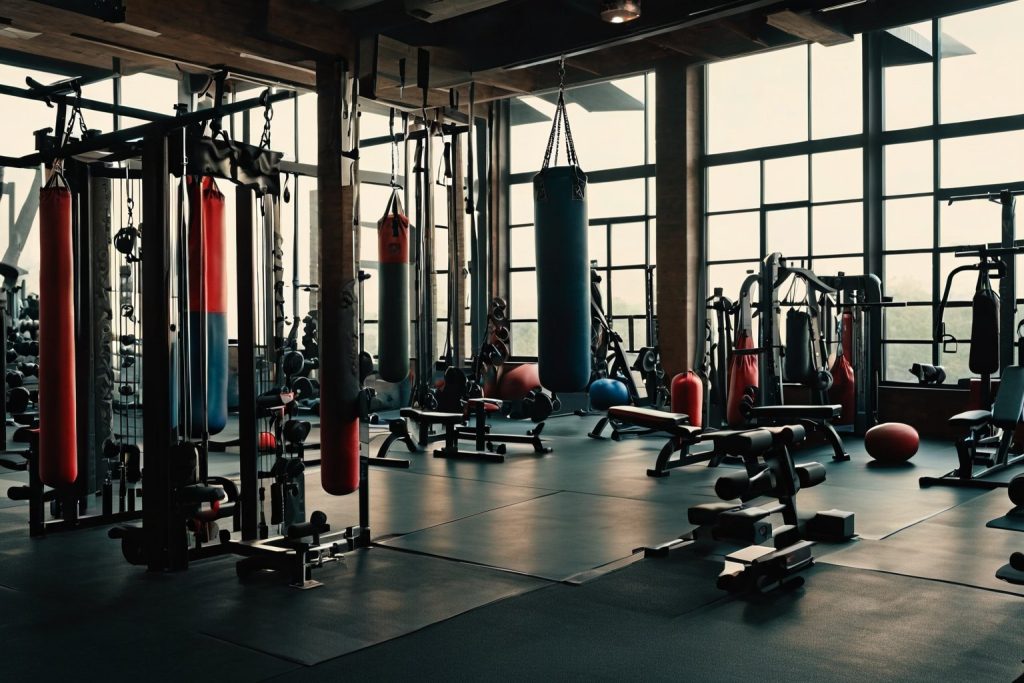
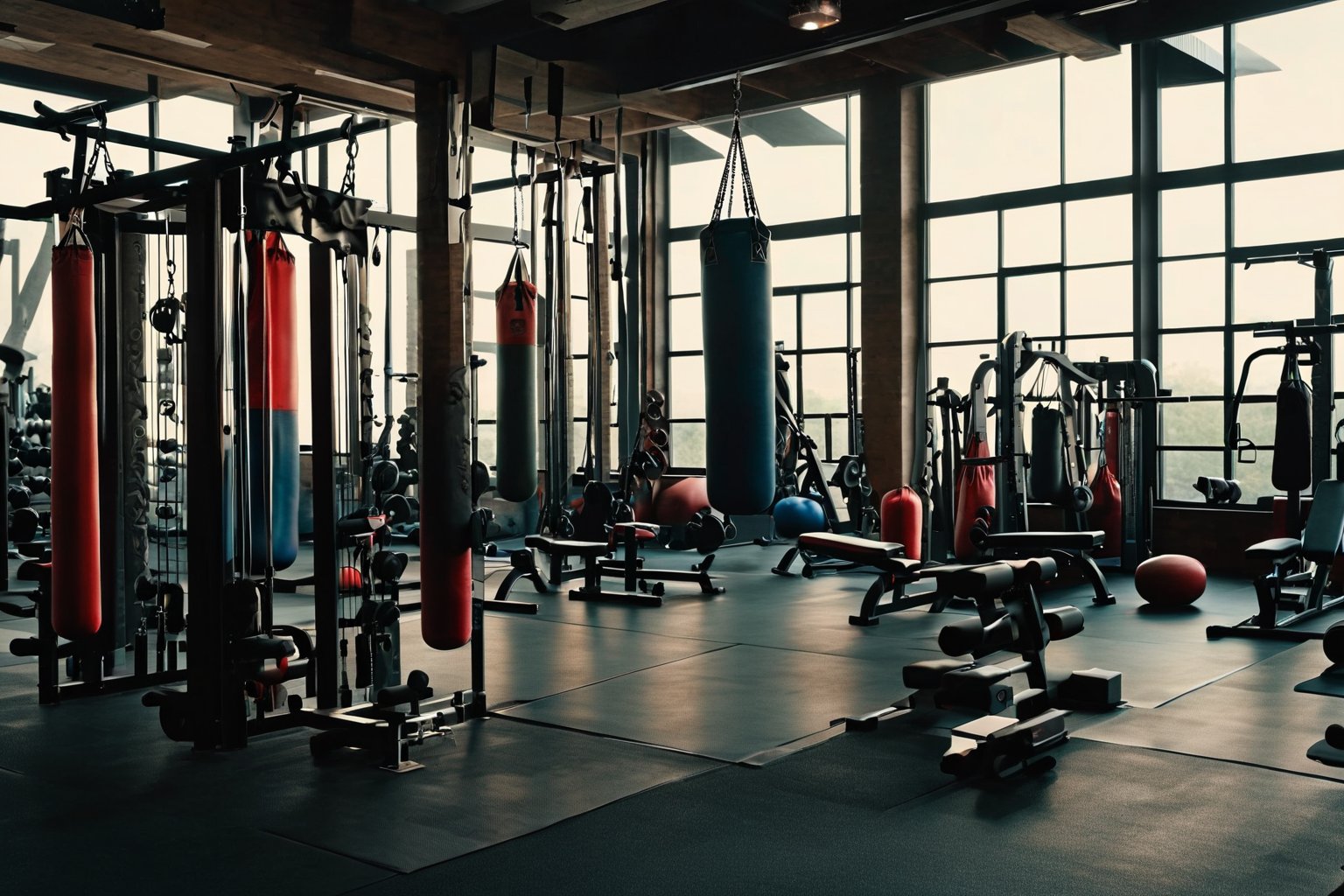
The name percy jones is synonymous with Welsh boxing history, a man whose relentless work ethic and raw talent carved out a path from the gritty streets of Cardiff to the international ring. But it wasn’t just his fists that made him legendary, it was the gyms where he honed his craft, the same places where generations of Welsh boxers before and after him transformed raw ambition into championship belts. These aren’t just training facilities; they’re temples of discipline, where the air hums with the rhythm of footwork and the scent of sweat lingers like a badge of honour. From the industrial grit of Cardiff’s docklands to the more refined spaces of Swansea’s urban core, Wales’ boxing gyms are where the sport’s soul is forged, and where the next percy jones could still be waiting in the shadows, shadowboxing their way into greatness.
The Historical Roots of Welsh Boxing Gyms
The tradition of boxing in Wales stretches back to the early 20th century, when the sport was as much about survival as skill. The first proper boxing gyms emerged in Cardiff and Swansea during the 1920s and 1930s, born out of the need for structured training in a country where amateur boxing was still a fringe pursuit. These early gyms were often little more than converted warehouses or backroom spaces, but they served as crucibles for talent. Percy jones, who began his journey in one of these modest setups, would have recognised the same relentless atmosphere, coaches barking orders, sparring partners testing limits, and the constant hum of determination. What set these gyms apart was their focus on fundamentals: footwork drills, heavy bag work, and the relentless repetition that turned instinct into instinctive mastery. Without modern amenities, they relied on raw grit and the unshakable belief that discipline would outlast talent. Even today, some of these gyms still operate in the same spirit, their walls lined with faded posters of Welsh champions who cut their teeth in exactly the same way.
The post-war era saw a shift, as boxing clubs began to professionalise slightly, adopting more structured training schedules and introducing basic equipment like speed bags and jump ropes. Yet, the core philosophy remained unchanged: boxing was a test of endurance as much as it was of skill. Percy jones’ rise to prominence in the 1950s and 1960s was partly due to the rigorous training he received in these early gyms, where every session was a battle against fatigue. The best gyms of that era didn’t just teach technique, they taught resilience. Fighters like Jones learned to push through pain because that was the only way to survive the long hours of sparring and bag work. Even now, when you step into some of Wales’ oldest boxing gyms, you can still feel the weight of that history pressing down on you, a silent reminder that the sport here has always been about more than just winning, it’s about proving something about yourself.
One gym that stands out from this era is the Old Wellington Boxing Club in Cardiff, which has been a cornerstone of Welsh boxing since the 1930s. Founded by a group of ex-servicemen who saw boxing as a way to keep their skills sharp, the club became a breeding ground for talent. Percy jones would have trained here during his early years, learning from coaches who had fought in the trenches of the First World War. The club’s reputation for toughness was legendary, and its fighters were known for their uncompromising approach to training. Even today, the Old Wellington club retains its no-nonsense ethos, with sessions that start at dawn and end only when the last fighter collapses from exhaustion. It’s a place where the past and present collide, where the same principles that shaped percy jones still dictate every punch thrown.
The Modern Training Facilities That Shape Champions
Fast forward to the 21st century, and Wales’ boxing gyms have evolved dramatically, blending traditional discipline with modern technology. Today’s top gyms are equipped with everything from advanced punch bags to video analysis software, yet the core values remain unchanged. Gyms like the Cardiff Boxing Academy and the Swansea City Boxing Club have become hubs for both amateur and professional fighters, offering structured programmes that cater to all levels of ability. What sets these modern facilities apart is their ability to merge old-school toughness with contemporary techniques, ensuring that fighters are not just physically prepared but also strategically astute. Percy jones would recognise the footwork drills and shadowboxing routines, but he’d also be impressed by the way today’s gyms use technology to break down his movements, refining them into something even sharper.
The introduction of video analysis has been a game-changer, allowing coaches to dissect every aspect of a fighter’s technique with precision. In gyms like the Newport Boxing Club, fighters now wear cameras during sparring sessions, enabling coaches to review their form in real time. This level of detail was unimaginable in percy jones’ day, yet it’s a direct evolution of the same obsession with perfection that defined his era. The best gyms now combine this technological edge with the old-school mentality of relentless repetition. A fighter might spend hours on a heavy bag, but they’ll also spend just as much time analysing their mistakes on screen, ensuring that every punch lands with maximum efficiency. Welsh boxing venues, from historic arenas to hidden gems, have long been the breeding grounds for boxing legends.
Yet, for all the modern advancements, the heart of Welsh boxing still lies in the gym’s atmosphere. The best facilities, like the Cardiff Boxing Gym, which has trained multiple Welsh champions, are known for their intense, almost claustrophobic energy. The walls are covered in posters of past fighters, and the air is thick with the scent of leather and sweat. Percy jones would have thrived in such an environment, where every session is a reminder that boxing is as much about mental toughness as it is about physical skill. The gyms today still demand the same level of commitment, with early morning sessions and late-night bag work being the norm. It’s this unyielding discipline that has produced Wales’ finest boxers, from percy jones to the current generation of fighters who are carrying on the legacy.
The Role of Coaching: How Welsh Boxing Gyms Develop Talent
The difference between a good boxing gym and a great one often comes down to the coaching. In Wales, the best gyms are led by former fighters who understand the sport at its most fundamental level. These coaches aren’t just instructors, they’re mentors who have walked the same path as percy jones, carrying the scars and the lessons of their own careers. Their ability to translate experience into training is what sets Welsh boxing apart. At gyms like the Cardiff Boxing Club, coaches like former Welsh champion Dai Iorwerth still run sessions, their methods rooted in decades of fighting experience. They don’t just teach technique; they teach how to think in the ring, how to read an opponent, and how to push through pain when it matters most.
EnyoSport7: ⚡️ Percy Jones: The Man Who Took Wales to the World Stage

One of the defining traits of Welsh boxing coaches is their emphasis on adaptability. Percy jones’ success wasn’t just down to his natural ability, it was because he could adjust his style mid-fight, using his speed and footwork to outmanoeuvre bigger opponents. Today’s coaches instil the same adaptability in their fighters, teaching them to recognise patterns and exploit weaknesses. At the Swansea City Boxing Club, for example, fighters are drilled in a variety of styles, from the aggressive outboxing favoured by percy jones to the defensive counter-punching of modern welterweights. The goal is to create fighters who can switch gears instantly, making them unpredictable and dangerous. This versatility is what has produced Wales’ most successful boxers, as they’ve consistently proven their ability to adapt to any opponent.
The coaching style in Welsh gyms is also deeply personalised. Unlike some larger training facilities where fighters are treated as interchangeable parts, the best Welsh gyms treat each boxer as an individual. At the Cardiff Boxing Academy, for instance, coaches spend time understanding a fighter’s strengths and weaknesses, tailoring their training to address specific gaps. Percy jones would have benefited from this level of attention, as his early career was marked by moments where his speed outpaced his technique. A modern coach would have identified this early and structured drills to refine his form without stifling his natural aggression. This personalised approach ensures that every fighter, from the raw beginner to the seasoned professional, gets exactly what they need to improve.
The Cultural Impact: How Boxing Gyms Shape Welsh Identity
Boxing in Wales isn’t just a sport, it’s a cultural phenomenon, deeply embedded in the nation’s identity. The gyms that have produced fighters like percy jones have become more than training facilities; they’re institutions that reflect the values of resilience, community, and hard work that define Welsh life. In cities like Cardiff and Swansea, boxing gyms are often the heart of local communities, places where people from all backgrounds come together under the banner of the sport. This shared experience fosters a sense of belonging, where fighters and spectators alike feel connected to something bigger than themselves. Percy jones’ story is a testament to this, his journey from the docks of Cardiff to the international stage was one that resonated with working-class communities across Wales, who saw in him a symbol of what could be achieved through sheer determination.
The cultural significance of Welsh boxing gyms is also evident in the way they’re celebrated. Many of the oldest clubs, like the Old Wellington Boxing Club, have been preserved as historical sites, their walls adorned with trophies and memorabilia that tell the story of the sport’s evolution. These gyms aren’t just places to train, they’re museums of Welsh boxing history, where every punch thrown is a link in the chain that connects past champions to the fighters of today. Percy jones’ legacy is kept alive in these spaces, his name etched into the fabric of the gyms where he trained, a reminder that the sport here is about more than just competition, it’s about legacy. The gyms themselves become part of the narrative, their presence a constant source of inspiration for the next generation of boxers.
Beyond the ring, boxing gyms in Wales have also played a crucial role in social cohesion. In areas where unemployment and social inequality are issues, gyms like the Newport Boxing Club have provided a structured outlet for young people, offering discipline, purpose, and a sense of achievement. Percy jones’ story is often cited as an example of what can be achieved through hard work, and the gyms that train today’s fighters continue to uphold that ethos. They’re not just about making champions, they’re about building better individuals. This dual role, both athletic and social, is what makes Welsh boxing gyms so unique, a rare blend of sport and community that sets them apart from anywhere else in the UK.
The Future of Welsh Boxing: Where Will the Next Percy Jones Come From?
The future of Welsh boxing rests on the shoulders of the gyms that have shaped it for generations. While the sport has evolved with modern training techniques and global competition, the essence of what makes Welsh boxing special remains unchanged. The next percy jones will likely emerge from the same kind of gritty, disciplined environments that produced the sport’s legends. Gyms like the Cardiff Boxing Academy and the Swansea City Boxing Club are already grooming the next generation, blending old-school toughness with contemporary training methods. The question isn’t whether Wales will produce another champion, it’s who that champion will be and how they’ll carry on the tradition of fighters like percy jones. The gyms are the crucibles where that potential will be realised, where raw talent will be tempered by discipline and experience.
One area where Welsh boxing is poised for growth is in grassroots development. Initiatives like the Welsh Boxing Association’s youth programmes are ensuring that younger fighters have access to the same level of training that percy jones received in his early years. These programmes focus on fundamentals, teaching children the importance of footwork, defence, and endurance before they ever step into a ring. The goal is to create a pipeline of talent that can compete at the highest levels, both nationally and internationally. If these programmes succeed, Wales could see a new wave of champions emerging in the coming decades, their training rooted in the same traditions that shaped percy jones’ career. The gyms will be at the heart of this revival, their doors open to anyone willing to put in the work.
The challenge for Welsh boxing moving forward will be balancing tradition with innovation. While the old-school mentality of relentless training and mental toughness remains essential, the sport must also adapt to the changing landscape of amateur and professional boxing. Gyms like the Cardiff Boxing Gym are already experimenting with new training methods, incorporating technology and sports science to give their fighters an edge. Percy jones would have been impressed by the advancements, but he’d also recognise the importance of the gym’s atmosphere, the camaraderie, the discipline, and the sheer willpower that defines the sport. The future of Welsh boxing will likely be a blend of these two worlds, where tradition and innovation coexist to produce fighters who are as tough as their predecessors and as technically proficient as the modern era demands.
The Unseen Factors That Make a Boxing Gym Great
Not all boxing gyms are created equal, and the ones that truly stand out in Wales share certain intangible qualities that set them apart. One of the most important is the gym’s culture, its ability to foster a sense of belonging and shared purpose. At the best gyms, like the Old Wellington Boxing Club, the atmosphere is electric, a mix of competition and mutual respect. Fighters train not just for themselves but for each other, pushing one another to be better. Percy jones would have thrived in such an environment, where every session was a test of character as much as skill. This culture of mutual support is what turns a gym from a training facility into a family, where fighters are more than just athletes, they’re part of something larger.
Another key factor is the gym’s location and accessibility. The most successful boxing gyms in Wales are often situated in areas where boxing has deep roots, like the docklands of Cardiff or the industrial heart of Swansea. These locations provide a natural pool of talent, as young people from working-class backgrounds are drawn to the discipline and structure the sport offers. Percy jones’ early training would have taken place in one of these areas, where the sport was as much a way of life as it was a pastime. Today’s gyms continue to benefit from this connection to their communities, ensuring that they remain relevant and accessible to the next generation of fighters. The best gyms don’t just train boxers, they train future leaders, instilling values that extend far beyond the ring.
Finally, the quality of the equipment and facilities plays a role, but it’s often the least important factor. While modern gyms like the Cardiff Boxing Academy boast state-of-the-art equipment, the most effective training often happens in more modest spaces. Percy jones trained in gyms that were little more than rooms with a heavy bag and a few sparring partners, yet he still achieved greatness. The real difference comes from the mindset of the fighters and the coaches. A gym with basic equipment but a relentless training ethos will always produce better results than a facility with the latest technology but a lack of discipline. It’s this combination of attitude and effort that has made Welsh boxing gyms the birthplace of legends like percy jones and will continue to do so for generations to come.

Growing up in the valleys, the atmosphere of a local fight night has always felt like home to me. I spend my weekends travelling the length and breadth of Wales to catch amateur and professional bouts, documenting the grit and glory of our fighters.