The boxing scene in Wales has always punched above its weight, producing talent that lights up global stages. From the valleys of the south to the coast of the north, gyms serve as crucibles where raw determination meets technical refinement. This article explores the hidden venues where the next generation of Welsh pugilists hone their craft, moving beyond the familiar arenas to uncover the grassroots sanctuaries of future champions.
Community Halls and Working Men’s Clubs
Across the Welsh valleys, community halls and working men’s clubs stand as the unsung heroes of boxing development. These venues often lack the polished floors of city centres, yet they pulse with a raw energy that fuels ambition. Young fighters here learn the fundamentals on worn mats, their boxing record built on sweat and perseverance rather than luxury. The atmosphere is intimate, with local supporters offering encouragement from creaking wooden benches. Coaches in these settings often double as mentors, guiding athletes through life’s challenges alongside their training. This environment fosters a unique brand of toughness, one that translates seamlessly into the professional ranks.
The accessibility of these clubs means that talent is unearthed from every corner of the country. Unlike exclusive private facilities, these venues welcome anyone with the drive to succeed. The cost of membership is often minimal, removing financial barriers that might otherwise stifle potential. Here, a teenager from Merthyr Tydfil might spar with a prospect from Rhyl, creating a diverse pool of styles. The emphasis is on skill acquisition and character building, ensuring that the boxing record reflects not just wins, but personal growth. These hidden gems remain the bedrock of Welsh boxing identity.
Indoor Leisure Centres with Dedicated Rings
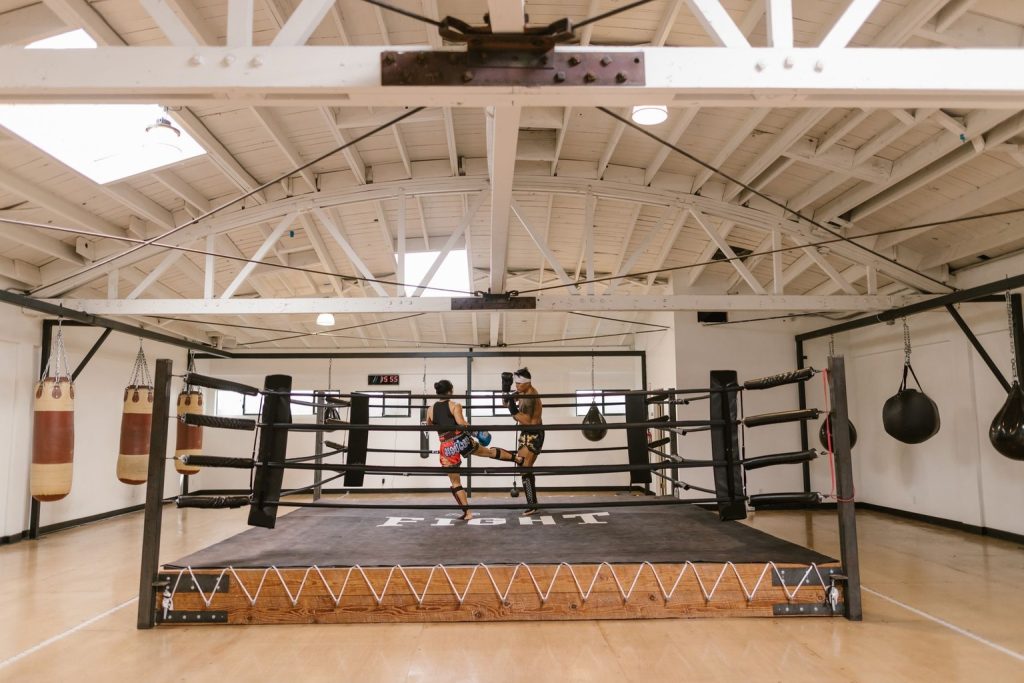
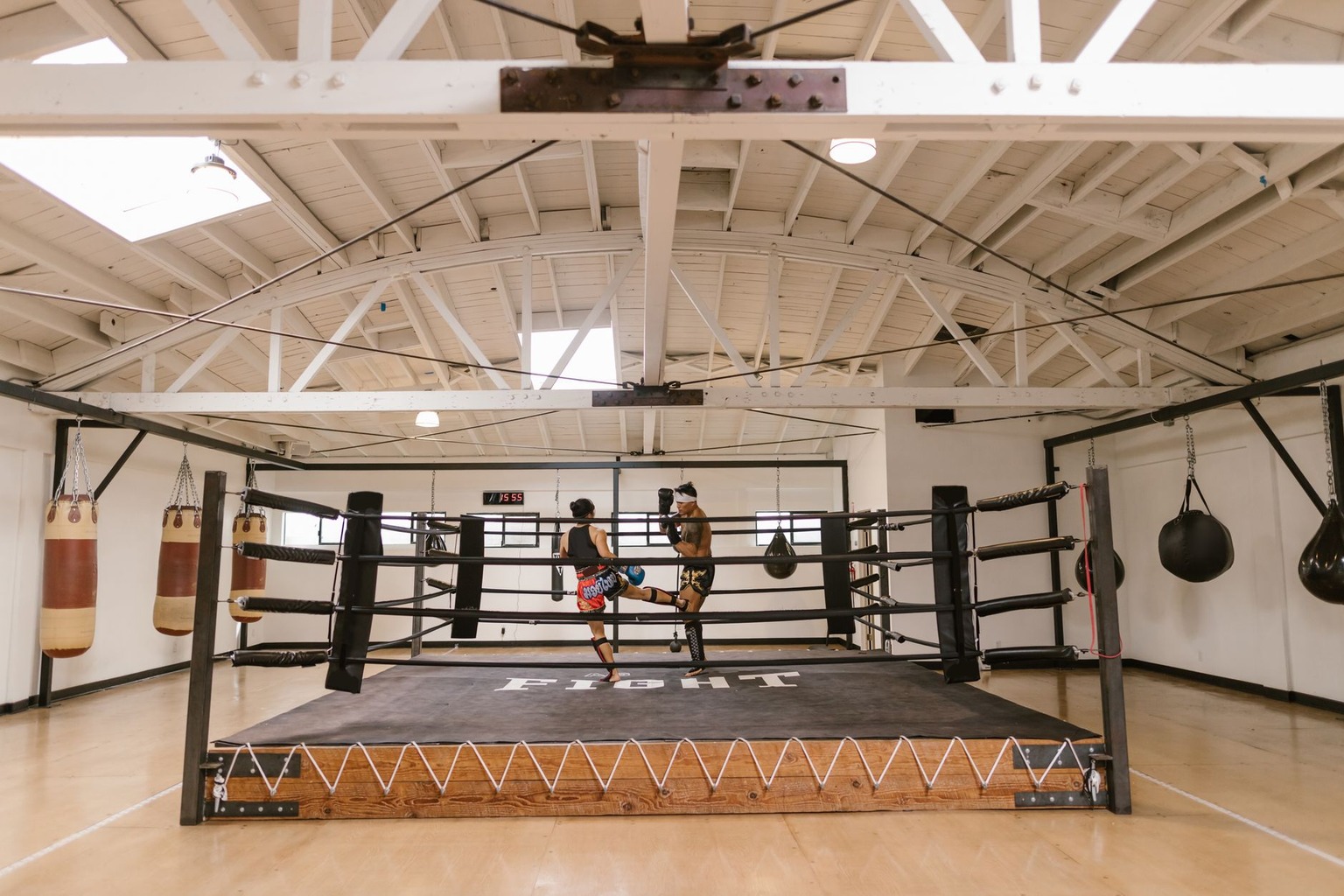
In recent years, many indoor leisure centres across Wales have allocated space for boxing, transforming multi-use halls into training hubs. These venues provide a safe, weather-proof environment essential for year-round conditioning. Fighters can work on their footwork and combinations regardless of rain or wind, a crucial advantage for maintaining a consistent boxing record. The facilities often include basic strength equipment, allowing for comprehensive strength and conditioning programmes. This integration of boxing into public sports infrastructure signals a growing investment in the sport’s future.
Coaches operating out of these centres often hold official governing body qualifications, adding a layer of professionalism to the grassroots level. The structured environment helps young athletes transition smoothly from casual sparring to competitive bouts. Parents feel confident enrolling their children knowing the safety standards are met. Furthermore, these locations often host local amateur competitions, giving fighters valuable ring experience. The visibility of boxing in these public spaces also helps normalize the sport within the wider community.
School Gymnasiums and Educational Institutions
School gymnasiums represent another vital, yet often overlooked, venue for nurturing Welsh boxing talent. Physical education departments frequently incorporate boxing drills into their curriculum, introducing the sport to students at an early age. For many, this is the first point of contact, sparking a lifelong passion. Talented pupils are then directed towards after-school clubs where they can develop their skills further. The structured timetable allows for consistent training sessions that complement academic studies.
Teachers who coach boxing often bring a wealth of experience from their own involvement in the sport. They understand the discipline required to manage both academic and athletic demands. The school setting also provides a built-in support system of peers and staff. Successful students often see their boxing record improve alongside their academic achievements, proving that the two are not mutually exclusive. These institutions serve as feeder clubs for local amateur associations, creating a pipeline of talent. The emphasis on education ensures that even those who do not pursue boxing professionally gain valuable life skills.
Church Halls and Religious Centre Facilities
Religious centres and church halls across Wales have historically opened their doors to community sports, including boxing. These venues often serve diverse populations, reflecting the multicultural fabric of modern Welsh society. Boxing sessions here are typically run by volunteer coaches who are passionate about youth development. The moral framework provided by these institutions often emphasizes respect, discipline, and humility, core values in the sport. Consequently, the boxing record of participants often mirrors these principles, focusing on sportsmanship as much as victory.
The setting provides a unique sense of community and belonging for the fighters. For many young people, these facilities represent a safe space away from the pressures of urban life. The acoustics and layout of church halls are often well-suited for training, offering ample space for movement. Moreover, the involvement of religious organisations often brings additional resources, such as funding for equipment or transport. This support network helps sustain training programmes that might otherwise struggle. It is a testament to the sport’s ability to thrive in the most unexpected of places.
Rural Farm Outbuildings and Agricultural Spaces
The rural landscapes of Wales offer a different flavour of training venue, often utilising farm outbuildings and agricultural spaces. In these settings, boxing training takes on a rugged, utilitarian character. Fighters might train in barns or purpose-built sheds, surrounded by the sounds of the countryside. This environment cultivates a particular kind of resilience, connecting the athlete to the land and the traditions of Wales. The isolation can be intense, forcing mental fortitude alongside physical prowess.
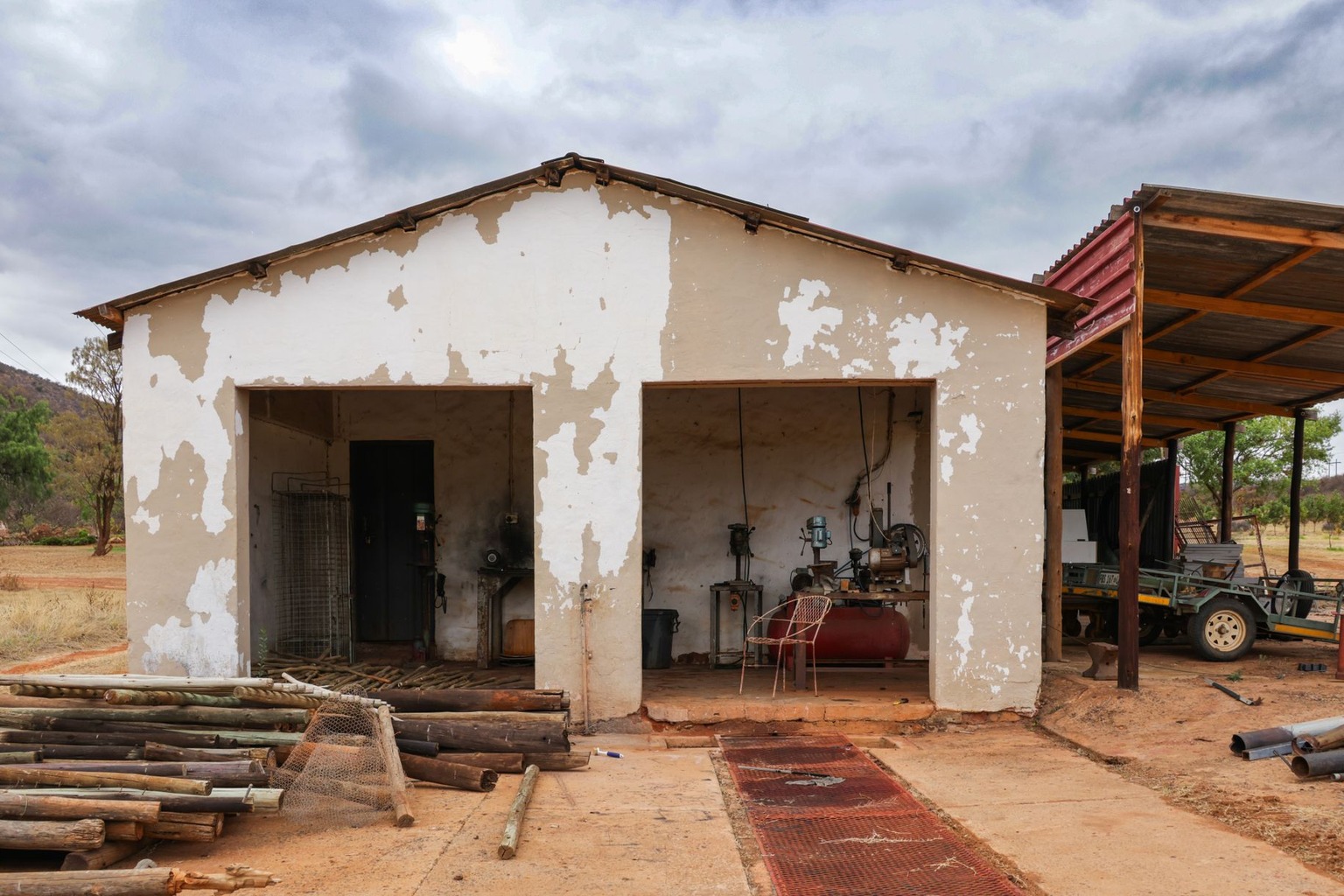
Coaches in these rural venues often have deep roots in the local farming communities, providing a strong support network. Training sessions might be scheduled around agricultural cycles, teaching fighters time management and adaptability. The fresh air and open spaces are ideal for cardio work and conditioning drills. While lacking the amenities of a city gym, the focus remains firmly on the basics of technique and power. These hidden venues prove that you do not need a state-of-the-art facility to develop a champion; dedication is the true prerequisite.
Urban Boxing Studios in Regenerated Docks
Urban regeneration has led to the creation of modern boxing studios in repurposed dockyards and industrial spaces in cities like Cardiff and Swansea. These venues blend the old with the new, offering state-of-the-art equipment within historically significant settings. The atmosphere is electric, reflecting the maritime history of these Welsh ports. Fighters training here benefit from professional-grade rings and conditioning facilities that rival those found abroad. This modernisation helps attract young talent who might be drawn to the prestige of such environments.
Despite the modern amenities, these studios often maintain a connection to the local boxing community. Many offer outreach programmes to local schools and youth centres, ensuring the sport remains accessible. The boxing record achieved within these walls often carries weight due to the high level of competition and coaching quality. Furthermore, the location near the waterfront provides a inspiring backdrop for training sessions. These venues represent the evolution of Welsh boxing, honoring tradition while embracing contemporary standards of excellence.

Growing up in the valleys, the atmosphere of a local fight night has always felt like home to me. I spend my weekends travelling the length and breadth of Wales to catch amateur and professional bouts, documenting the grit and glory of our fighters.