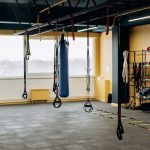

The Welsh boxing scene may not always steal the spotlight on the global stage, but its hidden training camps offer serious athletes a rare opportunity to refine their craft in a setting that balances tradition with cutting-edge technique. From the rugged landscapes of Snowdonia to the urban grit of Cardiff’s gyms, these venues aren’t just places to train, they’re incubators for fighters who want to push boundaries without the distractions of major cities. Whether you’re a Welsh homegrown talent or an international prospect looking to train in a language-rich environment with a strong boxing culture, the right camp can be the difference between good and great. But how do you choose? And what makes these Welsh training camps stand out from the rest?
Why Welsh Training Camps Are a Strategic Choice for Serious Fighters
training camps located in Wales aren’t just about the scenery, they’re about the environment. The Welsh boxing community thrives on a culture of resilience and discipline, values that translate directly into the ring. Fighters who train here often mention the intensity of the sessions, where every drill is treated as a mini-combat. The camps are designed for those who take their craft seriously, with coaches who have either fought professionally or trained elite athletes. For example, the legendary Welsh promoter and former boxer, Mike McKenna, has long advocated for the region’s boxing talent, and many of today’s camps draw from his legacy of fostering fighters who understand the importance of grit. The altitude in some areas, like the Brecon Beacons, can also enhance cardiovascular endurance, giving fighters that extra edge when they step into the ring. It’s not just about the location; the real value lies in the specialized Boxing training methods developed in Wales.
Another key advantage is the accessibility of world-class facilities without the high costs often associated with training hubs in London or Manchester. Many camps in Wales operate on a smaller scale, meaning fighters get more individual attention. This is particularly beneficial for those refining their technique or recovering from injury. The Welsh Amateur Boxing Association, for instance, runs camps that focus on technical precision, ensuring fighters leave with sharper footwork and more effective combinations. Even international fighters, like the Polish boxer Artur Beterbiev, have trained in Wales to take advantage of this blend of expertise and affordability. The camps aren’t just about physical training; they’re about immersing yourself in a boxing culture that values precision over brute force.
Assessing Your Readiness: What Serious Athletes Need Before Joining a Welsh Camp
Before committing to a training camp located in Wales, it’s essential to evaluate your current level and what you aim to achieve. Serious athletes shouldn’t just sign up based on location, they need to ensure they’re physically and mentally prepared. Most Welsh camps demand a baseline level of fitness, as sessions are demanding and often include sparring. If you’re coming from a non-boxing background, you’ll need to build endurance and strength beforehand. Start with at least three months of consistent training, focusing on shadowboxing, bag work, and basic strength exercises. Many fighters make the mistake of underestimating the intensity of Welsh camps, only to struggle with the pace. For instance, the camp run by the Welsh Institute of Sport in Cardiff requires participants to complete a fitness test before acceptance, ensuring everyone is on the same level.
The mental aspect is just as critical. Welsh boxing culture expects discipline, and camps often start with sessions that push you beyond your comfort zone. If you’re not used to high-pressure environments, you might find the initial days challenging. To prepare, practice visualising fights and working through tough drills alone. Some fighters also benefit from shadowboxing in front of a mirror to refine their technique before arriving. The camps aren’t for those who want a casual experience, they’re for those who are ready to commit. If you’re unsure, consider attending a shorter workshop first, like those offered by the Welsh Boxing Academy in Newport, to test the waters before committing to a full camp.
How to Find the Right Training Camp in Wales for Your Goals
Not all training camps located in Wales are the same, and the best one for you depends on your specific goals. If you’re an amateur looking to compete at the national level, the Welsh Amateur Boxing Association’s camps are hard to beat. They focus on technical development and often include sessions with former British champions. For professional prospects, camps like those at the Cardiff Boxing Club, which has produced fighters for the British title, offer more advanced sparring and fight-specific drills. The key is to research the camp’s reputation, ask other fighters who’ve trained there about their experiences. For example, the camp in Llandudno, run by former British champion Paul Davies, is known for its emphasis on defensive boxing, which has helped many fighters refine their footwork and head movement.
On the TEAM BATMANBOXING channel, they cover high-level sparring sessions like this one—you can watch it right here.

Location can also play a role in your decision. Coastal areas like Aberystwyth offer a different training dynamic, with some camps incorporating outdoor sessions to build resilience against wind and weather. Meanwhile, urban camps in Cardiff or Swansea provide easier access to medical facilities and recovery options. If you’re an international fighter, consider camps that offer accommodation and transport assistance, some, like the one at the University of Wales Trinity St David, cater specifically to overseas athletes. Always check if the camp aligns with your training style. If you’re a heavyweight, you might prefer a camp with heavy bag sessions, while a flyweight could benefit more from pad work and speed drills. The right camp should challenge you without overwhelming you.
What to Expect During Your First Week at a Welsh Boxing Camp
The first week at a training camp located in Wales is often the most intense, as coaches assess your current level and start pushing you to improve. Expect sessions that begin early and end late, with a mix of technical drills, sparring, and strength training. Most camps start with a warm-up that includes dynamic stretches and shadowboxing to get your heart rate up. Then comes the technical work, footwork drills, jab combinations, and defensive movements, followed by bag work to refine power. Sparring is usually introduced mid-week, with coaches emphasising control and technique over aggression. For example, at the Welsh Boxing Academy in Newport, new fighters are paired with experienced sparring partners to ensure they learn the right way from the start. The goal isn’t to exhaust you but to build confidence in your skills.
Recovery is just as important as the training itself, and Welsh camps take this seriously. Many include post-session stretching, ice baths, or even sessions with sports therapists to prevent injuries. Nutrition is also monitored, with some camps providing meal plans tailored to fighters’ needs. The social aspect is another highlight, many camps foster a close-knit community where fighters share experiences and motivate each other. However, don’t expect a holiday vibe. The intensity is real, and some fighters find it harder than they anticipated. If you’re not used to this level of commitment, the first week can be tough, but it’s also where you’ll see the most growth. Those who stick it out often leave with a clearer understanding of their strengths and weaknesses.
Avoiding Common Mistakes That Can Ruin Your Welsh Training Experience
One of the biggest mistakes fighters make when joining a training camp located in Wales is underestimating the importance of hydration and nutrition. The Welsh climate can be unpredictable, and training in damp conditions requires extra care to avoid cramps or fatigue. Many camps provide water and snacks, but some fighters still neglect proper fueling, leading to slumps in performance. To avoid this, arrive with your own supplements if needed and follow the camp’s meal recommendations. For instance, the camp at the Cardiff Boxing Club insists on a pre-workout carb load to sustain energy during long sessions. Ignoring this can leave you feeling sluggish, especially during sparring rounds. Another common error is skipping rest days, some fighters push too hard, thinking more training equals better results. While Welsh camps are demanding, they also schedule recovery periods, and skipping them can lead to burnout or injury.

Communication is another area where fighters often stumble. Some arrive expecting the coach to dictate everything without asking questions, only to miss out on valuable feedback. The best camps in Wales encourage fighters to speak up about their goals and concerns. For example, if you’re struggling with a particular drill, the coach might adjust your training plan. Conversely, others dominate conversations, overshadowing quieter fighters who could benefit from the same guidance. Finding the right balance, being proactive but not overbearing, is key. Additionally, some fighters fail to document their progress, which can be a missed opportunity. Taking notes on what worked and what didn’t helps refine your training back home. Whether it’s tracking your stamina or noting which drills felt easiest, keeping a record ensures you don’t repeat the same mistakes.
How to Maximise Your Time at a Welsh Boxing Camp
To truly benefit from a training camp located in Wales, you need to approach it with a structured mindset. Start by setting clear, measurable goals before you arrive, whether it’s improving your footwork, increasing your endurance, or perfecting a specific combination. Write these down and review them daily to stay focused. Many fighters benefit from recording their sessions, either through video or notes, so they can analyse their technique later. For example, if your goal is to develop a faster jab, film yourself during pad work to compare your speed and accuracy. The coaches at Welsh camps often provide feedback, but taking the initiative to self-assess ensures you leave with a deeper understanding of your progress.
The people you train with can also make or break your experience. Welsh boxing camps attract a mix of local talents and international fighters, creating a diverse and competitive environment. Use this to your advantage by seeking out sparring partners who challenge you but also push you to improve. Some fighters prefer to stick to their own level, but the best gains often come from stepping out of your comfort zone. Networking with other athletes can also lead to future opportunities, whether it’s fight connections or training partnerships. Finally, take advantage of any additional resources the camp offers, such as strength and conditioning sessions or fight strategy workshops. These extras are often what set top fighters apart, and ignoring them could mean missing out on key insights. The more you engage, the more you’ll get out of the experience.

Growing up in the valleys, the atmosphere of a local fight night has always felt like home to me. I spend my weekends travelling the length and breadth of Wales to catch amateur and professional bouts, documenting the grit and glory of our fighters.