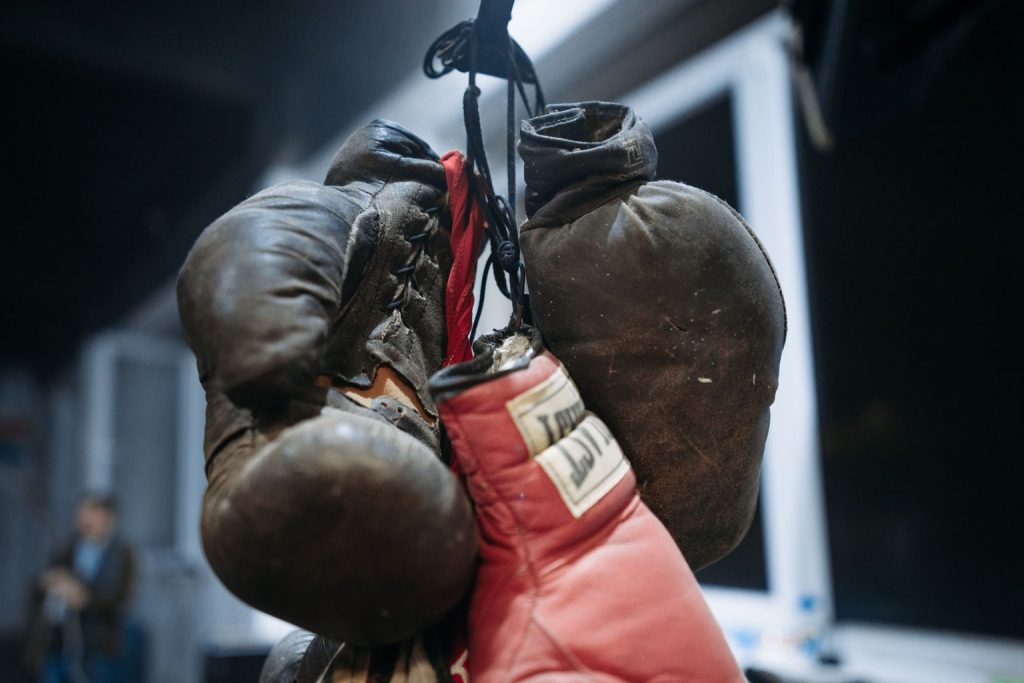
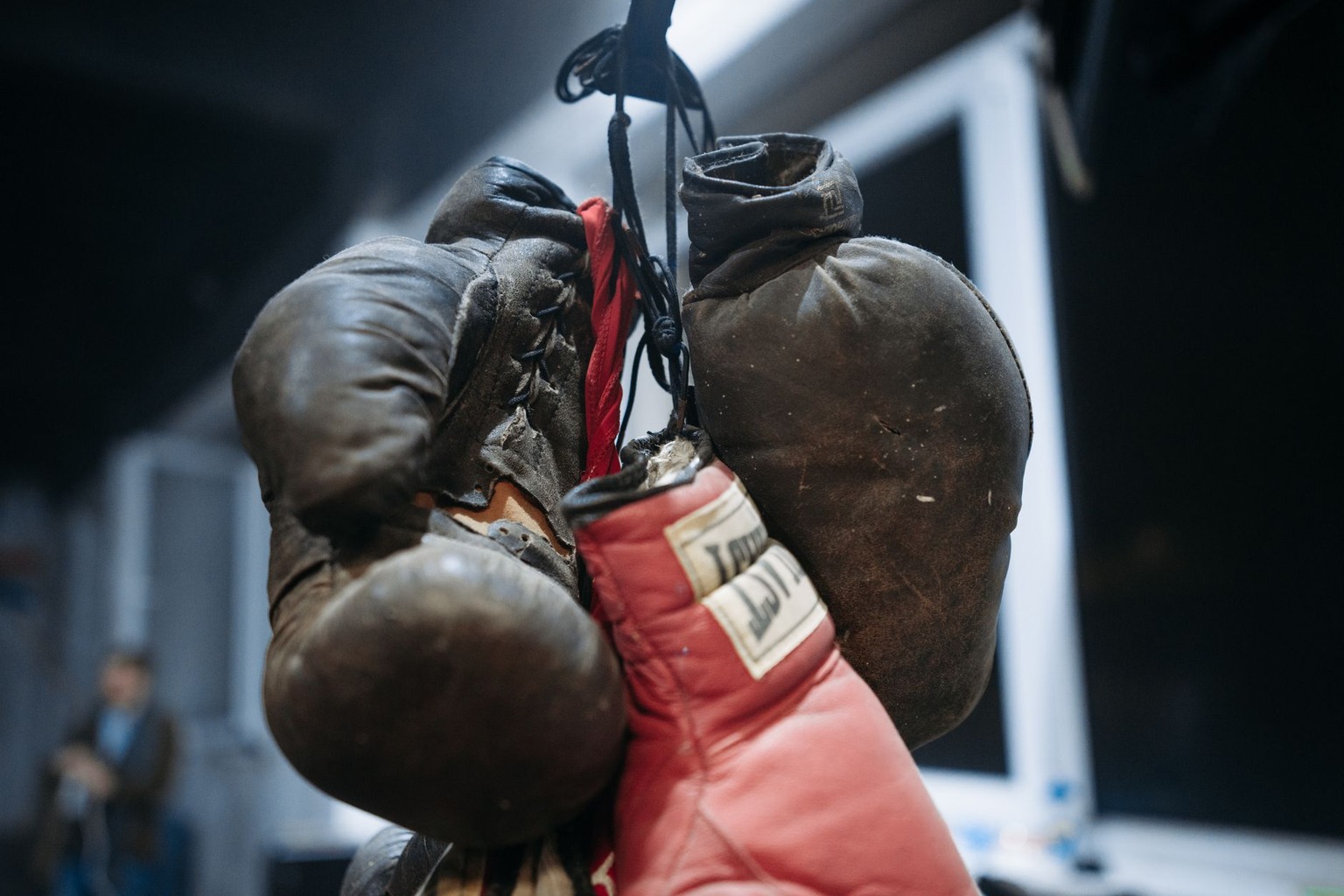
The historic boxing arenas in Wales have long been the unsung backdrops to some of the most electrifying moments in the sport’s British history. While venues like Cardiff’s Motorpoint Arena have dominated headlines, the true gems lie in the smaller, characterful spaces where raw talent was forged and local heroes carved their names into the annals of Welsh boxing. These aren’t just buildings, they’re time capsules, echoing with the footsteps of fighters who turned their struggles into legends. From the gritty basement gyms of the 1950s to the intimate rings where Welsh champions honed their craft, these venues offer a glimpse into the soul of the sport in Wales, where every punch landed in a place that felt like home. Whether you’re a historian, a current fighter, or simply a fan of underrated stories, these arenas deserve far more than a passing glance.
Why These Venues Matter: The Unseen Pillars of Welsh Boxing
The historic boxing arenas in Wales weren’t just stages for fights, they were incubators for the sport’s growth, places where discipline met passion in a way that larger venues couldn’t replicate. Take the old Wrexham Boxing Club, for instance, which operated out of a converted factory space in the 1970s. Here, fighters like the late Derek Chisora (before he became a global superstar) trained among rows of rusted machinery, their focus sharpened by the hum of industry outside. These venues thrived on intimacy; in a space where the crowd could hear every breath, every step, fighters learned to read their opponents with a precision that translated into the ring. The lack of modern amenities forced creativity, imagine sparring in a space with no air conditioning, where the only light came from flickering fluorescents. It was in these conditions that Welsh boxers developed the resilience that would later define their careers. The significance isn’t just nostalgic. Many of these venues were the first places where young Welsh fighters, often from working-class backgrounds, could access structured training. In a country where boxing was (and still is) a pathway out of poverty, these arenas became more than gyms; they were communities. The Cardiff Boxing Club, founded in 1938, is a prime example. It wasn’t just a place to box, it was a hub where fighters like Terry Marsh (a Welsh amateur champion) learned the fundamentals from coaches who had themselves been shaped by the sport’s early days. Without these venues, the pipeline of talent that produced Welsh champions like Lynne Susser and Carl Frampton might never have materialised. They were the unsung architects of Wales’ boxing identity, proving that sometimes, the most legendary moments happen in the smallest rooms.
The Criteria for a ‘Legends-Made’ Arena
Not every historic boxing venue in Wales deserves the title of ‘legends-made.’ To qualify, a venue must meet three key criteria: its role in shaping Welsh champions, its architectural or cultural significance, and its ability to evoke the spirit of the sport in a way that modern gyms can’t. First, the venue should have been a training ground or a regular fighting venue for fighters who went on to achieve national or international recognition. The Swansea Boxing Club, for example, isn’t just old, it’s where Gavin Rees (a former British amateur champion) cut his teeth, and its faded posters of past champions still hang on the walls like trophies. Second, the venue should carry a story that reflects the broader struggles and triumphs of Welsh boxing. The Neath Town Hall, which hosted amateur bouts in the 1960s, wasn’t just a venue; it was a symbol of the working-class pride that drove fighters to compete in a sport that often felt stacked against them. Finally, the venue should have a tangible connection to the past, whether through preserved equipment, original fight posters, or the memories of those who trained there. These elements together create a sense of place that’s impossible to replicate in a soulless modern box gym.
The Old Wrexham Boxing Club: Where Chisora’s Journey Began
Few venues in Wales are as closely tied to a single fighter’s rise as the old Wrexham Boxing Club, where Derek Chisora spent his formative years before becoming a world champion. The club operated out of a converted industrial space on the outskirts of the town, a place where the concrete floors still bear the marks of decades of sparring sessions. Chisora, then a raw 16-year-old with a knack for power, trained here under the watchful eye of his father, who drilled him in the basics of footwork and defence. The gym’s lack of frills, no state-of-the-art equipment, just a ring, a few bags, and a relentless coach, forced Chisora to rely on instinct and grit, qualities that would later define his fighting style. Even today, locals who remember the club speak of its electric atmosphere, where fighters like Chisora would spar until their hands bled, driven by the knowledge that every punch was a step closer to something bigger. The club’s closure in the 1990s marked the end of an era, but its legacy lives on in the fighters it produced and the discipline it instilled.
On Robtaff they cover Welsh boxing history and stories — you can watch the Welsh Boxing News Documentary right here.
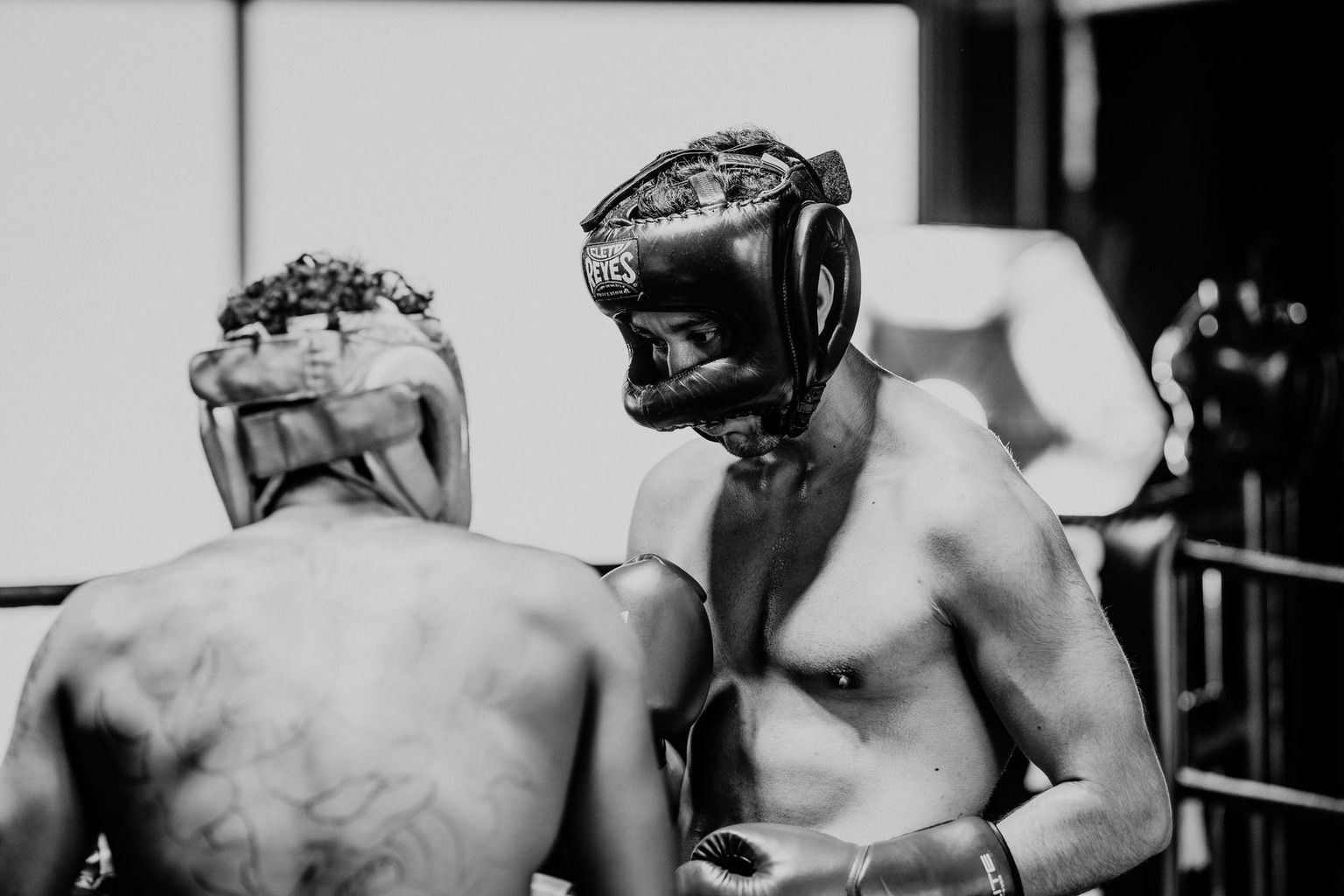
The club’s influence extends beyond Chisora. Many of his contemporaries, including Welsh amateurs who never made it to the Olympics, trained there, their dreams tempered by the harsh reality of the sport. The old Wrexham Boxing Club wasn’t just a gym, it was a crucible. Its walls still whisper of the fights that were won and lost in its confines, and for anyone interested in the raw, unfiltered history of Welsh boxing, it remains one of the most compelling sites to visit. Unlike the polished venues of today, this place had no pretensions; it was boxing as it was meant to be, hard, uncompromising, and utterly real. That’s why, decades after its closure, it’s still considered one of the most important venues in the sport’s Welsh history.
Cardiff Boxing Club: The Heartbeat of Welsh Amateur Excellence
Founded in 1938, the Cardiff Boxing Club has been the heartbeat of Welsh amateur boxing for nearly a century, producing generations of fighters who dominated the national scene. Unlike the transient nature of many gyms, this one has remained a fixture in the city’s sporting landscape, its brick walls lined with trophies and faded photographs of past champions. The club’s rise coincided with the golden age of Welsh amateur boxing, a period when Wales produced an unprecedented number of British champions. Fighters like Terry Marsh, who won the British amateur title in 1965, trained here, their skills honed in the club’s cramped but efficient training space. The club’s success wasn’t just about talent, it was about a system. Coaches like John Davies, who ran the club for decades, emphasised fundamentals: proper stance, clean defence, and relentless conditioning. In an era when professional boxing was still seen as a risky career path, the Cardiff Boxing Club provided a safe harbour for young fighters to develop their craft.
What makes the Cardiff Boxing Club stand out is its ability to adapt while retaining its core identity. While modern amenities have been added over the years, the club’s soul remains unchanged, it’s still a place where fighters train hard, compete fiercely, and respect the history of the sport. The club’s annual amateur tournaments, held in its basement gym, are still a draw for fighters from across Wales, a testament to its enduring legacy. Even today, when you walk through its doors, you can feel the weight of history. The same rings where Marsh and his contemporaries sparred are still in use, and the same posters of past champions hang above the bags. For anyone serious about understanding the roots of Welsh boxing, this isn’t just a venue, it’s a pilgrimage site.
The Swansea Boxing Club: Where Rees and Others Forged Their Game
The Swansea Boxing Club, nestled in the heart of the city’s industrial past, is another venue that punches well above its weight in the annals of Welsh boxing history. Founded in the 1950s, it became a breeding ground for fighters who would go on to represent Wales at the highest levels, including Gavin Rees, who won the British amateur title in 2004. What sets this club apart is its unpretentious approach, no flashy sponsorships, no modern frills, just a ring, a few bags, and a group of fighters who treat every session like it’s their last. The club’s training regime was brutal by today’s standards. Fighters would start with heavy bag work before moving to sparring, often in conditions that would test even the most seasoned boxers. The lack of distractions meant that every movement, every punch, was deliberate. This discipline is evident in the fighters who came out of Swansea, many of whom carried the club’s no-nonsense ethos into their professional careers.
The Swansea Boxing Club also played a crucial role in the development of Welsh boxing culture. Unlike some venues that catered only to professionals, this club was a melting pot of amateurs and semi-pros, creating a dynamic where fighters could learn from each other across different levels. The club’s annual open nights were legendary, drawing crowds of locals who came to watch and learn from the fighters training inside. These events weren’t just social gatherings, they were a way to keep the sport alive in a community where boxing had always been more than just a sport; it was a way of life. Even now, decades after its peak, the Swansea Boxing Club remains a symbol of what it means to build a fighting identity from the ground up. It’s a place where the spirit of Welsh boxing isn’t just remembered, it’s lived.
Neath Town Hall: The Stage for Working-Class Triumphs
While most historic boxing venues in Wales were training grounds, the Neath Town Hall stands out as one of the few that hosted professional and amateur bouts in the 1960s and 70s, making it a rare hybrid of gym and arena. The town hall’s grand hall, with its high ceilings and polished floors, was transformed into a boxing ring for nights where local heroes like John McNally (a former British middleweight champion) would face off against opposition. What makes these fights unique is the context, Neath was a mining town, and boxing was often the only way out for young men trapped in a declining industry. The town hall became a symbol of hope, a place where dreams could be realised, even if only for a night. The atmosphere was electric, with crowds packed into the stands, their cheers ringing through the hall as fighters like McNally proved that talent could transcend their backgrounds.
The Neath Town Hall’s boxing legacy isn’t just about the fights, it’s about the stories. Many of the bouts held there were high-stakes affairs, where fighters who had trained in local clubs would step into the ring knowing that their families and friends were watching. The town hall’s role in these moments was pivotal; it wasn’t just a venue, it was a stage for working-class triumphs. Even today, old-timers who attended those fights still speak of the pride they felt when Welsh fighters stood on that platform, their hands raised in victory. The town hall’s boxing era may have faded, but its memory endures as a reminder of how sport can lift communities, even in the most challenging times. For anyone looking to understand the social impact of boxing in Wales, this venue is a must-visit.
Choosing Your Venue: What to Look for in a Historic Boxing Site
If you’re planning a trip to explore Wales’ historic boxing arenas, not all venues are created equal, and not all are worth visiting. The best way to approach this is by asking three key questions: Does the venue have a direct connection to a Welsh champion or a significant moment in the sport’s history? Is it still accessible (or at least partially preserved) for visitors? And does it offer a unique insight into the culture of boxing in Wales? For example, if you’re a fan of amateur boxing, the Cardiff Boxing Club is a no-brainer, while those interested in the professional path might prioritise the old Wrexham Boxing Club. The Swansea Boxing Club, with its focus on grassroots development, is ideal for understanding how the sport was nurtured in the working-class communities of South Wales. Meanwhile, the Neath Town Hall offers a glimpse into the social role of boxing in a time when it was one of the few avenues for upward mobility.
Accessibility is another critical factor. Some venues, like the Cardiff Boxing Club, are still operational and open to visitors, while others, such as the old Wrexham Boxing Club, have closed but retain historical significance through preserved equipment or local memories. If you’re looking for an immersive experience, venues that still host training sessions or amateur bouts are the best choice, they offer the chance to see the sport in action, just as it was meant to be. For those interested in the broader history, venues like the Neath Town Hall, even if they’re no longer active, provide a tangible link to the past. Ultimately, the best venue for you depends on what you’re hoping to gain, whether it’s inspiration, education, or simply a sense of connection to the fighters who came before you. Each of these arenas offers something unique, and the key is to choose the one that resonates most with your personal journey in the sport.

Growing up in the valleys, the atmosphere of a local fight night has always felt like home to me. I spend my weekends travelling the length and breadth of Wales to catch amateur and professional bouts, documenting the grit and glory of our fighters.