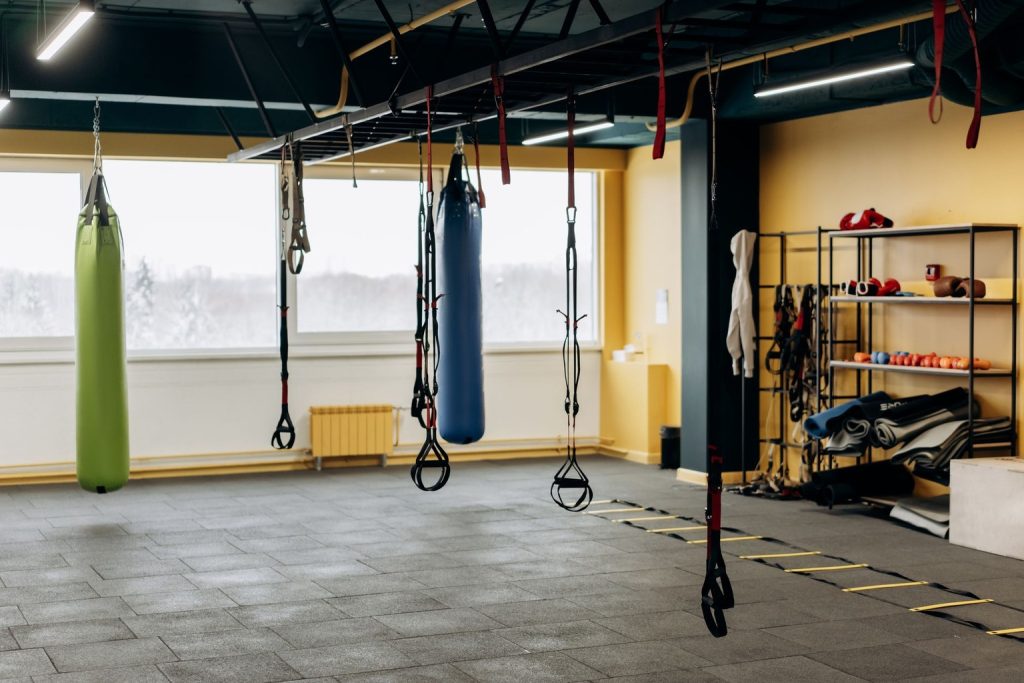
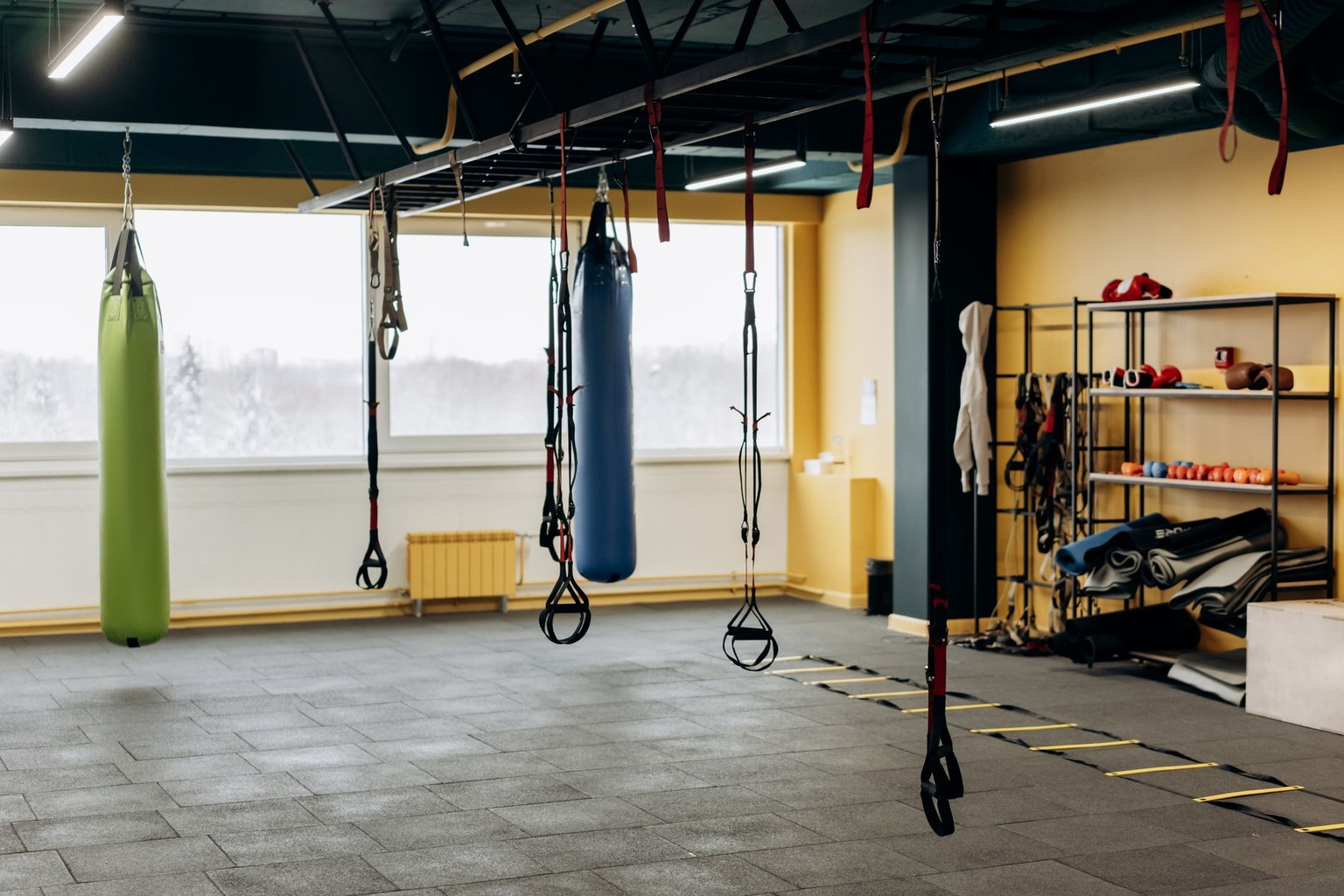
Welsh boxing has produced a disproportionate number of global medalists relative to its population, driven by a deeply embedded grassroots culture and structured talent identification systems. The journey from local club gym to the Olympic ring is rarely linear, often requiring years of dedicated amateur development, precise weight management, and psychological resilience under intense pressure. Understanding the specific mechanics of boxing pathways to elite competition Wales reveals a complex ecosystem where technical skill is only one component of success. This analysis breaks down the structural, social, and physiological factors that define how fighters in this region navigate the demanding route toward international podiums.
Grassroots Infrastructure and Club Culture
The foundation of any successful Olympic campaign is laid long before a fighter ever steps onto a national stage, starting within the community gym environment. In Wales, many clubs operate out of repurposed industrial spaces or school halls, creating an intimate atmosphere where coaches can closely monitor individual technical development. This proximity allows for detailed feedback on footwork and hand speed, elements that are often overlooked in larger metropolitan academies with higher player-to-coach ratios. The social cohesion within these smaller groups fosters a strong sense of belonging, which helps young athletes persist through the physical discomforts of rigorous training schedules. Many champions attribute their early mental toughness to this specific type of community support, where failure is treated as a necessary step in learning rather than a setback.
Financial constraints often shape the equipment and facilities available at these grassroots levels, forcing coaches to be inventive with training methodologies. Instead of relying on high-tech simulation machines, experienced trainers focus on traditional shadow boxing, heavy bag work, and sparring partners to build functional strength and endurance. This resourcefulness ensures that athletes develop practical skills applicable to real competition conditions, avoiding the over-reliance on technology that can sometimes hinder natural reflex development. The informal nature of these early training environments also allows for a more personalized approach to dietary advice and recovery strategies, tailored to the specific needs of each young fighter.
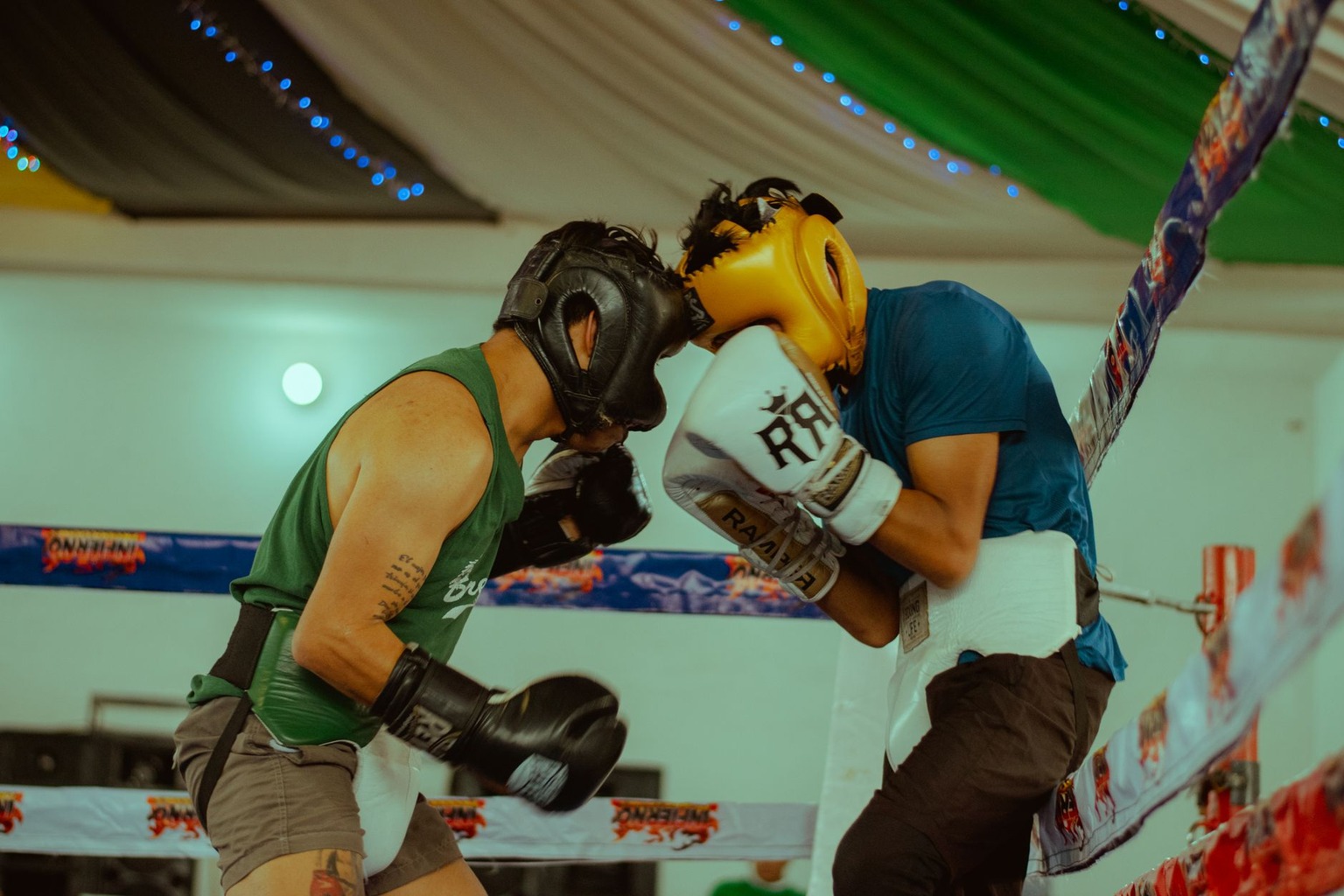
The transition from local club membership to regional recognition is a critical filtering process that separates casual participants from serious contenders. Coaches in this phase must identify not just physical talent but also the competitive temperament required to perform under adverse conditions. They look for fighters who can maintain technical discipline when exhausted, a quality that cannot be taught in a comfortable environment but must emerge under stress. This early selection pressure is intentional, as it prepares athletes for the higher stakes of national and international selection processes where margins for error become negligible. The social dynamics within the club during this period often determine which fighters receive additional mentorship and support from senior members.
National Selection and Competitive Calibration
Once a fighter has established themselves at the regional level, the focus shifts to navigating the national selection trials organized by the governing body. These trials are designed to test consistency over multiple bouts, requiring athletes to demonstrate reliable performance across different weight classes and opponent styles. The data collected during these periods informs coaches about specific tactical weaknesses that need addressing before international exposure can be considered. Fighters who fail to adapt quickly to new defensive strategies often drop out of the national team, regardless of their previous local success records. This competitive calibration phase is where many talented individuals stall, lacking the tactical flexibility required to beat diverse international opponents.
The psychological pressure during national trials is significantly higher than in local club sparring, with stakes involving national representation and potential sponsorship opportunities. Athletes must learn to manage anxiety levels that can affect their reaction time and decision-making speed in critical moments of a match. Sports psychologists are increasingly integrated into this phase, working with fighters to develop pre-competition routines that stabilize mental state before stepping onto the mat. The ability to compartmentalize external pressures, such as media attention or personal expectations, becomes a decisive factor in who advances to the next level of development.
National team environments also introduce athletes to the logistical complexities of professional sport, including travel management and strict weight-cutting protocols. Fighters must learn to manipulate their body composition safely, understanding the physiological impacts of rapid water loss on muscle function and cognitive clarity. This phase often reveals underlying health issues that were masked by less rigorous training regimens earlier in their careers. The transition from amateur enthusiasm to professional discipline is marked by a shift in how athletes view rest days and nutritional intake, treating them as critical components of performance enhancement rather than mere breaks.
Tactical Adaptation and Opponent Analysis
As fighters move toward international competition, the emphasis on raw power diminishes in favor of sophisticated tactical planning and opponent-specific preparation. Coaches spend significant hours studying video footage of potential rivals, identifying patterns in their defensive structures and common mistakes under pressure. This analytical approach requires athletes to be highly adaptable, capable of switching between aggressive and defensive styles within a single bout. The ability to read an opponent’s intent milliseconds before they act is a skill that separates elite competitors from those who rely solely on physical attributes. Tactical sessions often involve role-playing specific scenarios, such as defending against a southpaw or controlling the center of the ring effectively.
On the acttrainingltd channel they cover this topic—you can watch the Cardiff ‘Road to London’ Boxing Camp 2012 right here.
Weight class management becomes a tactical tool rather than just a regulatory requirement, with fighters strategically choosing divisions where their natural advantages are most pronounced. Moving up or down a weight class can alter the dynamics of a match, forcing opponents to adjust to unfamiliar ranges and pacing strategies. Experienced coaches guide athletes through these decisions, balancing the desire for a favorable matchup against the risk of being out-matched by heavier or lighter competitors. The psychological aspect of weight management also comes into play, as fighters must remain confident in their chosen category despite external opinions from peers or media analysts.
Technical refinement at this level focuses on subtleties that are barely visible to the casual observer but crucial for scoring and knockdowns. Precision in jab timing and counter-punching angles can dictate the outcome of a close match, often deciding victory by a single point on the judges’ cards. Drills are designed to ingrain these micro-adjustments into muscle memory, ensuring they occur automatically during high-intensity exchanges. The marginal gains approach is applied rigorously, with small improvements in footwork speed or hand coordination adding up over multiple rounds to create a decisive advantage.
Physiological Optimization and Recovery
The physical demands of elite boxing require a sophisticated understanding of human physiology, moving beyond basic conditioning into specialized performance science. Athletes work with nutritionists to design diets that support high-intensity output while facilitating rapid recovery between training sessions and competition bouts. Blood monitoring and other biomarkers are used to track stress levels and hydration status, allowing for real-time adjustments to training intensity and rest periods. This scientific approach minimizes the risk of overtraining syndromes, which can derail an entire Olympic cycle if not managed proactively. The integration of sports science teams is a hallmark of modern elite preparation, providing data-driven insights that guide daily decisions.
Recovery protocols extend beyond sleep and diet to include advanced physiotherapy techniques and mental decompression strategies. Foam rolling, cold water immersion, and guided visualization are standard components of the post-training routine, helping to reduce inflammation and promote neural rest. The cumulative fatigue from years of high-level training can accumulate silently, leading to decreased performance if not addressed through structured recovery windows. Coaches monitor these signs closely, adjusting the training load to ensure athletes peak at the right time rather than burning out before major championships. The balance between pushing physical limits and allowing adequate repair is a delicate art that requires constant communication between athlete and support staff.
Injury prevention is another critical pillar of physiological optimization, with specific attention paid to joint health and core stability. Repetitive impacts on gloves and bags place significant stress on wrists, elbows, and shoulders, requiring targeted strengthening exercises to maintain structural integrity. Prehabilitation routines are incorporated into every training day, focusing on mobility and flexibility to reduce the risk of acute injuries during sparring. A single significant injury can end an Olympic bid, making proactive care far more important than reactive treatment when problems arise. This preventive mindset permeates all aspects of the athlete’s daily life, from how they carry their bags to how they sit during travel days.
Mental Resilience and Competitive Psychology
The mental aspect of boxing is often underestimated by outsiders, yet it is frequently the deciding factor in high-stakes international bouts. Elite fighters develop robust coping mechanisms for dealing with the isolation and pressure of top-level competition, where every mistake is scrutinized under bright lights. Visualization techniques are used extensively to rehearse successful scenarios, creating neural pathways that support positive decision-making during actual matches. The ability to stay calm after taking a hard punch or losing a round early in the fight separates champions from contenders who crumble under similar circumstances. Mental coaching is now as common as physical training, with dedicated sessions focused on focus maintenance and emotional regulation.
Handling external distractions, such as media speculation and social media commentary, requires a strong internal locus of control and clear boundary setting. Athletes are taught to curate their information intake, avoiding negative noise that can disrupt their preparation mindset and sleep quality. The support network around the fighter plays a crucial role in filtering out these distractions, ensuring the athlete remains focused on actionable training goals rather than external validation. This controlled environment allows for deep concentration during key preparation periods, where mental clarity is as important as physical readiness.
Post-match analysis is used not just for technical review but also for emotional processing and growth identification. Fighters learn to detach from the immediate outcome, viewing losses as valuable data points rather than personal failures. This perspective shift enables continuous improvement without the paralyzing fear of failure that can inhibit performance in future bouts. The resilience built through this reflective practice carries over into other areas of life, creating well-rounded individuals capable of handling pressure in diverse contexts. The psychological maturity developed at this level is a testament to the holistic nature of elite athletic development.
Global Exposure and Career Longevity
Reaching the Olympic stage is a significant milestone, but it also marks the beginning of a new phase involving increased global visibility and commercial opportunities. Athletes must navigate the complexities of personal branding and media engagement without compromising their competitive focus or personal values. Sponsorship deals and endorsement contracts require careful legal review to ensure fair terms and long-term stability for the athlete’s career. The transition from amateur status to a more professionalized environment brings new responsibilities and expectations that can be challenging to manage alongside rigorous training demands.
Career longevity in boxing is influenced by the ability to adapt to changing competitive fields and evolving training methodologies. Many Welsh boxers extend their careers well beyond their peak years by transitioning into coaching, commentary, or gym ownership roles within their communities. This transition allows them to pass on their expertise and contribute to the next generation of talent, creating a sustainable cycle of development within the sport. The knowledge gained from years of competition is invaluable for identifying potential in young athletes and guiding them through the same pathways they once traversed themselves.
The legacy of successful Olympic campaigns often inspires local youth to take up boxing, creating a positive feedback loop that strengthens the sport’s infrastructure at the grassroots level. Community events and school programs feature former champions as role models, demonstrating the tangible rewards of dedication and hard work in the sport. This inspirational impact helps sustain interest in boxing during periods when high-profile victories are less frequent, keeping the pipeline of talent flowing steadily. The interconnectedness of local success and global achievement highlights the unique strength of Welsh boxing culture in producing enduring talent.

Growing up in the valleys, the atmosphere of a local fight night has always felt like home to me. I spend my weekends travelling the length and breadth of Wales to catch amateur and professional bouts, documenting the grit and glory of our fighters.