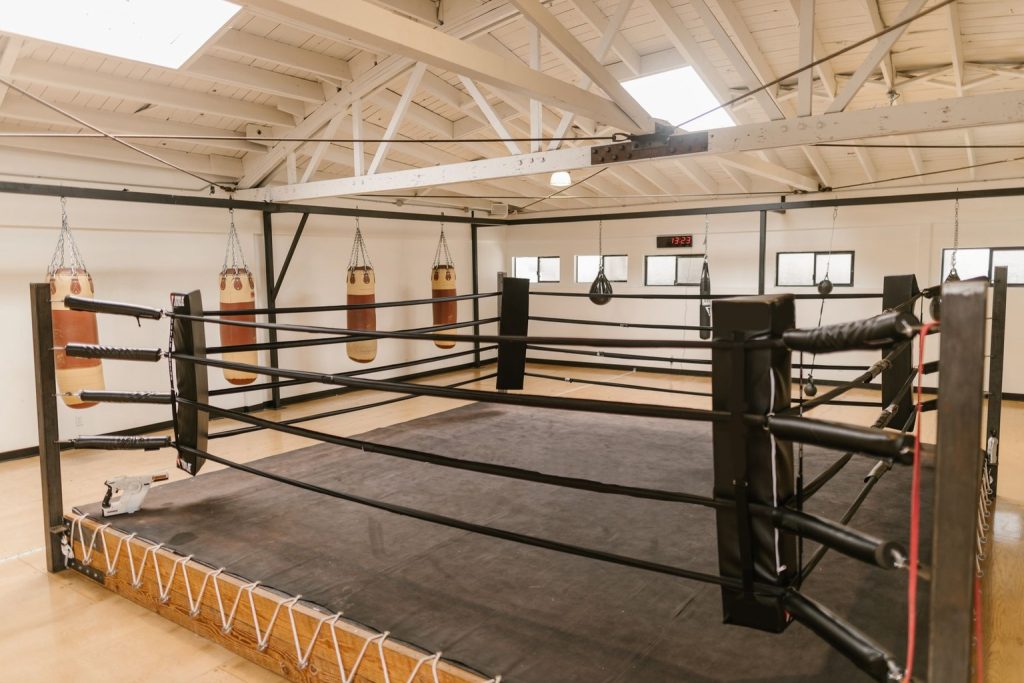
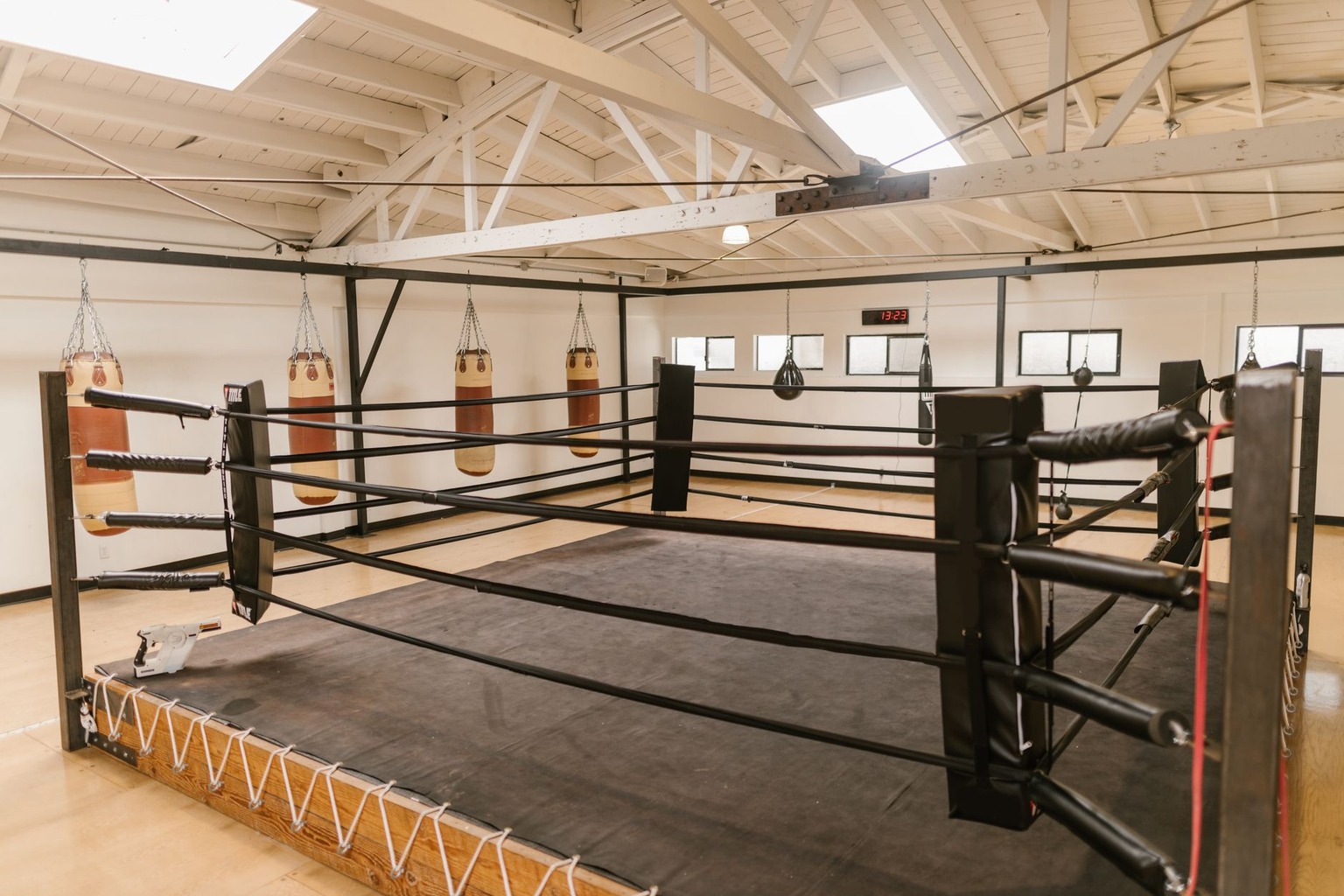
The humble community halls as boxing venues in Wales have long been the unsung foundations of the sport, where raw talent first meets the ring’s demands. These modest spaces, scattered across towns and villages, have nurtured countless fighters who later stepped into the grander arenas of professional boxing. Yet the journey from a local hall to a world-class venue like the Principality Stadium or the Cardiff International Arena is a stark contrast in scale, atmosphere, and opportunity. Each type of venue plays a distinct role in shaping fighters, offering different challenges, resources, and even psychological pressures. Whether you’re a beginner testing your footwork in a cramped hall or a seasoned pro preparing for a title fight in a sold-out arena, the environment around you doesn’t just witness your progress, it actively moulds it.
The Acoustics and Atmosphere: How Space Shapes Performance
The difference in acoustics between a community hall and an elite arena is more than just volume, it’s about the psychological weight of the space. In a community hall as boxing venues in Wales, the walls are thin, the ceiling low, and the crowd often consists of friends, family, and fellow club members. The noise bounces unpredictably, forcing fighters to adapt quickly to echoes and sudden silences. This environment teaches resilience; a fighter who can perform under such conditions will carry that adaptability into larger venues. In contrast, elite arenas like the Cardiff International Arena are designed for amplification, with sound systems that can drown out even the most intense exchanges. The atmosphere here is electric, with thousands of spectators creating a roar that can push a fighter to their limits, or, conversely, intimidate them if they’re unprepared for the pressure. The hall’s intimacy breeds confidence in its own way, while the arena’s grandeur demands mental fortitude to thrive.
Take the case of Welsh boxer Anthony Joshua, who honed his early skills in local gyms and halls before moving to bigger stages. The transition wasn’t just about the size of the venue but how the space made him feel. In a hall, he could focus on technique without distraction; in an arena, he had to channel that same precision under a microscope. The contrast is why many coaches advocate starting in smaller spaces. The hall’s limitations force efficiency, while the arena’s vastness rewards those who’ve mastered control. Even now, Welsh fighters training in halls like the one in Pontypridd often cite the “no-nonsense” energy of these spaces as a preparation for the chaos of professional bouts.
The Practical Constraints: What You Can and Can’t Do in Each Space
The practical limitations of community halls as boxing venues in Wales are both their greatest strength and their biggest challenge. These spaces rarely have the luxury of dedicated boxing equipment, meaning fighters often share rings, pads, and even gloves. The ring itself might be a makeshift setup, with ropes that sag under pressure or a canvas that’s been patched more times than it’s been replaced. This lack of resources isn’t just a minor inconvenience, it’s a crucible that forges fighters who learn to work with what they have. There’s no luxury of high-tech gear or professional maintenance; every session is a test of ingenuity. In elite arenas, by contrast, every detail is optimised: the ring is reinforced, the padding is top-tier, and the equipment is regularly serviced. The difference is stark when you consider that a fighter like Gwilym Evans, who started in a community hall in Barry, later trained in the Principality Stadium’s state-of-the-art facilities. The hall taught him resourcefulness; the stadium refined his performance to perfection.
Another practical difference is the space available for training. Community halls often have limited areas for sparring or pad work, forcing fighters to be creative with their movements. In an arena like the Cardiff International Arena, there’s room to spread out, practice combinations without colliding with walls, and even incorporate weightlifting or agility drills. The hall’s constraints mean fighters develop a tighter, more efficient style, while the arena’s openness allows for explosive, dynamic training. This isn’t just about physical space, it’s about the mindset it instils. A fighter who’s used to squeezing into a corner in a hall will navigate the vastness of an arena with the same precision they once used to avoid bumping into a gym wall.
The Audience Dynamics: From Cheering Neighbours to Crowd Control
The audience in a community hall as boxing venues in Wales is rarely passive; they’re often participants in the training process. Friends and family might spot mistakes, offer encouragement, or even step in to adjust the ring if it’s sagging. This level of engagement creates a supportive, almost familial environment where mistakes are seen as part of learning. The crowd isn’t just spectators, they’re part of the team. In elite arenas, the audience becomes a separate entity, a force that can amplify a fighter’s confidence or crush their morale. The Principality Stadium’s crowd, for example, is known for its vocal support, but it’s also a crowd that demands respect. A fighter who’s used to a hall’s friendly chatter might struggle with the intensity of an arena’s silence before a big moment. The contrast is why many Welsh fighters, like the late Barry Michael, started in halls where the focus was on improvement rather than performance pressure. The hall’s audience teaches humility; the arena’s audience demands excellence.
On the AMC Boxing Gym channel, they cover the realities of amateur fighting, and you can watch it right here.

There’s also the matter of crowd control. In a hall, the audience is usually small and familiar, so there’s little risk of disruptive behaviour. In an arena, however, security and crowd management are critical. Fighters like Lewis Alexander, who trained in both settings, have spoken about the shift in focus required. In a hall, you’re more concerned with whether your sparring partner is wearing gloves correctly; in an arena, you’re aware of the entire crowd’s energy. This heightened awareness is a skill in itself, one that separates amateur fighters from professionals. The hall’s simplicity makes it easier to forget the stakes; the arena’s grandeur forces you to remember them every second.
The Training Philosophy: From Grassroots to High-Performance
The training philosophy in community halls as boxing venues in Wales is often rooted in grassroots development, where the emphasis is on fundamentals rather than flashy techniques. Coaches in these spaces prioritise footwork, defence, and endurance because they know the fighters will need these skills to survive in bigger venues. There’s less focus on showmanship and more on survival, because in a hall, one mistake can mean a hard floor or a corner. This no-frills approach is why so many Welsh fighters, like the late Chris Eubank Jr., credit their early training for their ability to adapt in professional bouts. The hall’s philosophy is about building a solid foundation; the arena’s philosophy is about refining that foundation into a weapon. In an elite venue, training becomes more specialised, with an emphasis on speed, power, and tactical precision. The hall teaches you how to box; the arena teaches you how to win.
Another key difference is the role of technology. Community halls rarely have access to video analysis or advanced fitness equipment, so training is often instinct-driven. Fighters learn by repetition and feel, not by data. In contrast, elite arenas like the Cardiff International Arena are equipped with high-speed cameras, force sensors, and even virtual reality training. The hall’s limitations mean fighters develop a deeper connection to their bodies; the arena’s technology allows them to push those limits further. This isn’t to say one is better than the other, it’s about the stage of development. A fighter who’s spent years in a hall will approach the arena’s technology with a different mindset, one that values instinct over reliance on gadgets.
The Psychological Pressure: From Comfort to the Spotlight
The psychological pressure in community halls as boxing venues in Wales is different from that in elite arenas, and both are valuable in their own way. In a hall, the pressure is internal, it’s about proving to yourself that you can improve, that you’re not just another face in the crowd. There’s no external validation, no crowd to impress, just the quiet confidence that comes from knowing you’ve earned your place. This kind of pressure builds mental resilience in a way that’s hard to replicate elsewhere. In contrast, the pressure in an arena like the Principality Stadium is external, it’s about living up to expectations, to the hype, to the history of the venue itself. The hall’s pressure is about self-belief; the arena’s pressure is about proving that belief to the world. Fighters like Carl Frampton, who started in a community hall in Newport, have spoken about how the hall’s quiet intensity prepared them for the roar of an arena.

The transition from hall to arena also tests a fighter’s ability to handle fame and scrutiny. In a hall, you’re just another member of the community; in an arena, you’re a star. The hall’s anonymity shields you from the spotlight, while the arena’s glare can be overwhelming. This is why many coaches recommend starting in a hall, where the focus is on the fight rather than the fighter. The hall’s environment teaches humility; the arena’s environment demands confidence. A fighter who’s used to the hall’s quiet corners will navigate the arena’s spotlight with the same composure they once used to avoid drawing attention in a crowded gym.
The Future of Welsh Boxing: Where Do These Venues Fit Now?
The future of boxing in Wales is increasingly tied to the evolution of its venues, with community halls as boxing venues in Wales still playing a crucial role in the sport’s grassroots. While elite arenas attract sponsorship and media attention, the halls remain the breeding ground for talent. Initiatives like the Welsh Boxing Board’s development programmes are working to bridge the gap between these two worlds, ensuring that fighters who start in halls have the opportunity to progress to bigger stages. The challenge is balancing tradition with innovation, keeping the hall’s raw, unfiltered energy while incorporating the resources and exposure of elite venues. This duality is what makes Welsh boxing unique. Venues like the Principality Stadium provide the platform for fighters to shine, but it’s the halls where they first learn what it means to stand in the ring.
The relationship between these venues isn’t hierarchical, it’s symbiotic. The hall teaches the fundamentals; the arena refines them. Without the hall, there’s no foundation; without the arena, there’s no opportunity to prove that foundation. This dynamic is why Welsh boxing continues to produce fighters who are as respected in the hall as they are in the arena. The future of the sport in Wales will depend on how well these two worlds continue to collaborate, ensuring that every fighter, from the beginner in a community hall to the champion in an elite arena, has the environment they need to succeed.

Growing up in the valleys, the atmosphere of a local fight night has always felt like home to me. I spend my weekends travelling the length and breadth of Wales to catch amateur and professional bouts, documenting the grit and glory of our fighters.