Choosing the right training environment is the single most important decision a young or developing fighter makes in the early stages of their career. In the Welsh boxing community, the quality of coaching, the depth of sparring partners, and the culture within the hall often matter far more than the size of the facility itself. This guide walks you through the practical steps needed to find a venue that will genuinely improve your technique, footwork, and ring IQ. By following this structured approach, you can avoid the common pitfalls of joining a gym that does not suit your specific developmental needs. The focus here is on actionable criteria that help you evaluate whether a club is ready to take your skills to the next level.
Assessing Your Current Skill Level and Goals
Before you even set foot in a new hall, you need an honest assessment of where your boxing stands right now, boxing gyms Wales. Are you a complete beginner who has never thrown a punch in structured training, or are you a seasoned amateur looking to refine your combination work? Knowing this baseline helps you identify which coaching styles will benefit you most. A gym that specializes in building fundamentals from scratch might not offer the advanced tactical sessions an experienced fighter needs. Conversely, a club focused on high-level sparring might overwhelm someone who still struggles with basic stance and guard mechanics.
Your short-term and long-term goals also dictate the type of environment you should seek out. If your aim is to compete in the Welsh amateur circuit within eighteen months, you need a gym with a strong track record of developing competition-ready fighters. For those interested in boxing primarily for fitness and self-discipline, a more relaxed club atmosphere might be preferable. Write down these goals clearly so you can use them as a filter when comparing different venues across the country.
Researching Coaching Credentials and Lineage
The coach at the top of the ladder is the most critical asset in any boxing gym in Wales, and their background tells you a lot about what to expect. Look for trainers who have a proven history of developing successful boxers, whether they became professional champions or well-regarded amateurs. A coach who has spent decades in the sport will bring a depth of technical knowledge that is difficult to replicate elsewhere. Ask specifically about their philosophy: do they prioritize volume and conditioning, or do they focus on precision and tactical nuance? This information helps you align your training with your personal learning style.
Check for formal qualifications as well, such as coaching awards from recognized bodies like the British Boxing Board of Control or equivalent regional governing structures. These credentials ensure that the coach understands safety protocols, injury prevention, and proper technique progression. However, formal certificates do not always guarantee a good teacher, so look for testimonials from current members about how they handle individual feedback. A great coach spends time correcting small details in your hand speed and head movement, rather than just shouting general encouragement from the edge of the ring.
Evaluating Sparring Partner Depth and Quality
Sparring is where you test your skills under pressure, and the quality of your opponents determines how much you improve during these sessions. A gym with a shallow roster of fighters can lead to repetitive sparring that does not challenge your defensive reactions or adaptability. You want a place where there are multiple skill levels, so you can spar with someone faster, stronger, or more technical than yourself every week. Ask the staff about their sparring structure: do they organize partner matches based on weight and experience to ensure safety and effectiveness?
For a helpful breakdown on this topic, Tony Jeffries explains the fundamentals in this video, which you can watch right here.

Observe the culture around sparring during a visit or open training day. In a healthy environment, fighters respect each other’s limits and work together to improve, rather than trying to dominate or embarrass one another. If you see aggressive behavior or a lack of communication between partners, it is a red flag for your personal safety and development. A strong sparring culture also means that veterans are willing to help newer members find their feet, creating a supportive ecosystem where everyone rises together through shared effort.
Examining Facility Resources and Training Tools
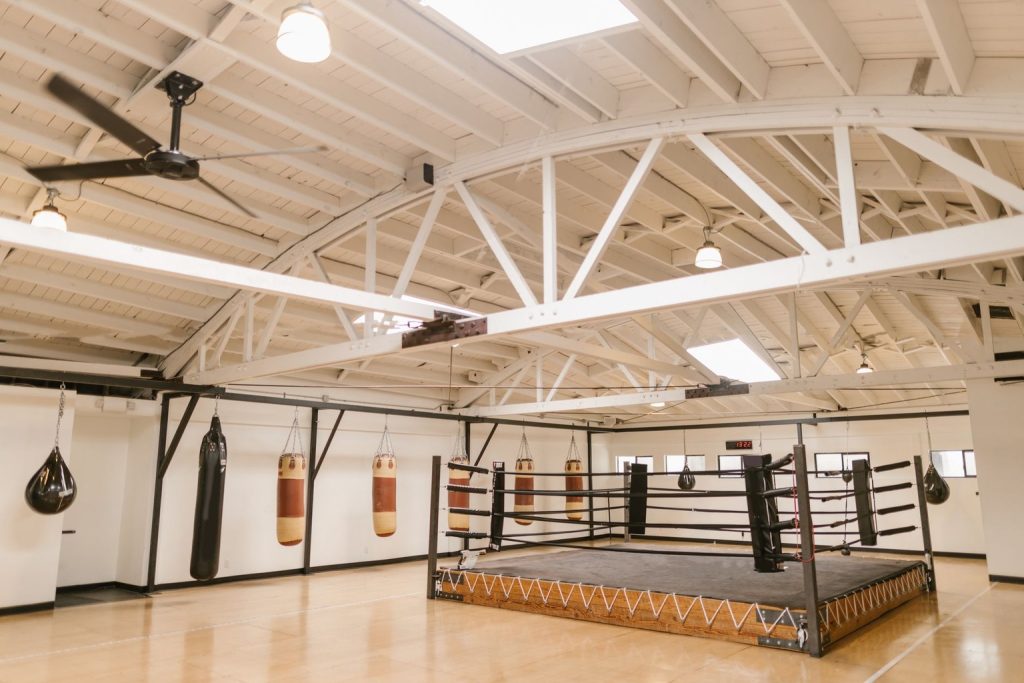
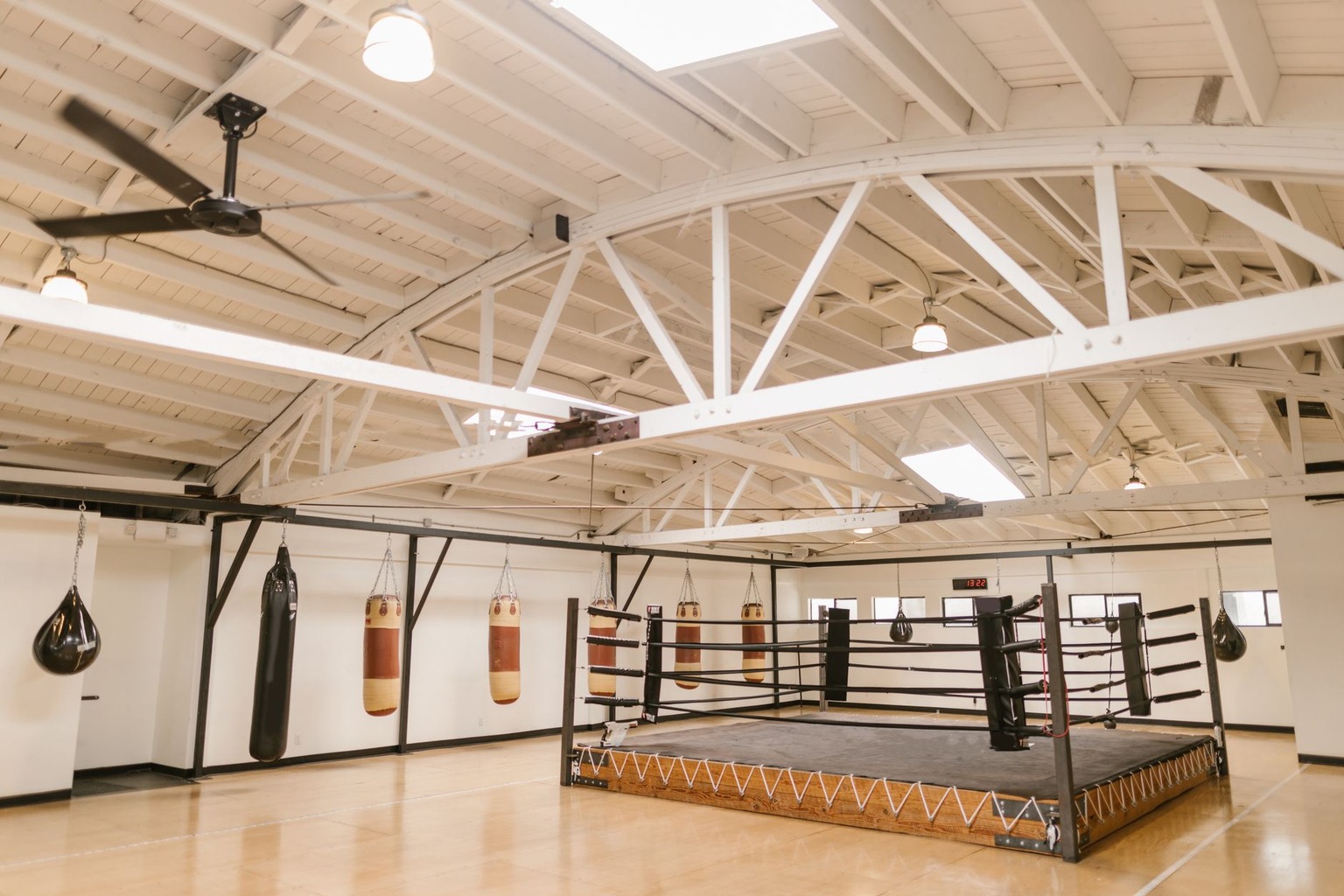
The physical equipment in the gym directly impacts the variety of drills you can perform and how safely you can train. Look for a well-maintained bag area with heavy bags, speed bags, double-end bags, and mitts that are in good condition. Worn-out gear not only reduces the effectiveness of your training but can also lead to hand or wrist injuries over time. Ensure there is enough floor space for footwork drills, as cramped conditions force you to develop bad habits like shuffling rather than moving dynamically around an imaginary opponent.
Consider the availability of conditioning equipment such as treadmills, stationary bikes, and free weights if you want to complement your boxing work with strength training. Many dedicated boxing clubs integrate these elements into their weekly schedule to build the stamina required for a full twelve or sixteen rounds. If the gym lacks these resources, ask whether they recommend specific external facilities or if they incorporate running sessions into their programming. A well-rounded approach to fitness is essential for developing the endurance that separates good boxers from great ones.
Checking Competition Pipeline and Recent Results
One of the clearest indicators of a gym’s quality is the recent performance of its fighters in local and national competitions. Look at their results over the past one to two years to see if they are winning bouts and advancing through tournaments. A club that consistently produces winners has a proven system for preparing athletes mentally and physically for the pressures of competition. This does not mean you need to join a gym with a current world champion, but it does suggest that their coaching methods yield tangible results on the scoreboard.
Ask about their process for selecting fighters to compete in amateur events organized by regional boxing associations. Do they hold internal trials, or do coaches pick based on merit and readiness? A transparent selection process ensures that only those who are truly prepared enter the ring, protecting them from embarrassing losses that could damage confidence. You also want to know if they provide support during competition days, such as having a coach present in the corner to call out strategies and adjustments.
Understanding Membership Terms and Schedule Flexibility
The financial and logistical aspects of joining a gym are practical matters that can make or break your long-term commitment. Check the membership fees, including any initiation costs or annual equipment charges, and ensure they fit within your budget without causing financial stress. Look for flexible payment options if possible, such as monthly rather than annual commitments, especially during your first few months while you assess the fit. Hidden costs for sparring gear or special training camps should be disclosed upfront to avoid unpleasant surprises later.

Schedule flexibility is equally important, particularly if you are balancing training with work or study obligations. Find out what times the gym is open and whether there are classes that suit your availability throughout the week. Some gyms offer evening sessions for working adults, while others focus on daytime slots for students and early risers. Confirming these details ensures that you can maintain a consistent routine without constantly missing sessions due to scheduling conflicts.
Visiting the Gym and Making the Final Decision
The final step is to visit the gym in person and observe a typical training session before committing to membership. Watch how the coach interacts with students, how the fighters train during drills, and the general atmosphere in the room. Does the environment feel welcoming and focused, or does it seem chaotic and unstructured? Pay attention to the hygiene standards as well, such as clean changing rooms and properly disinfected equipment, which reflect the management’s attention to detail.
After your visit, compare your notes against the other gyms you have researched and make a decision based on which venue best aligns with your goals and personality. Trust your instincts about whether you feel comfortable asking questions and receiving feedback from the coaching staff. A good fit will feel like a natural extension of your personal commitment to the sport, providing the right balance of challenge and support. Once you have chosen your gym, commit fully to the process and allow time for your skills to develop through consistent, dedicated work.

Growing up in the valleys, the atmosphere of a local fight night has always felt like home to me. I spend my weekends travelling the length and breadth of Wales to catch amateur and professional bouts, documenting the grit and glory of our fighters.