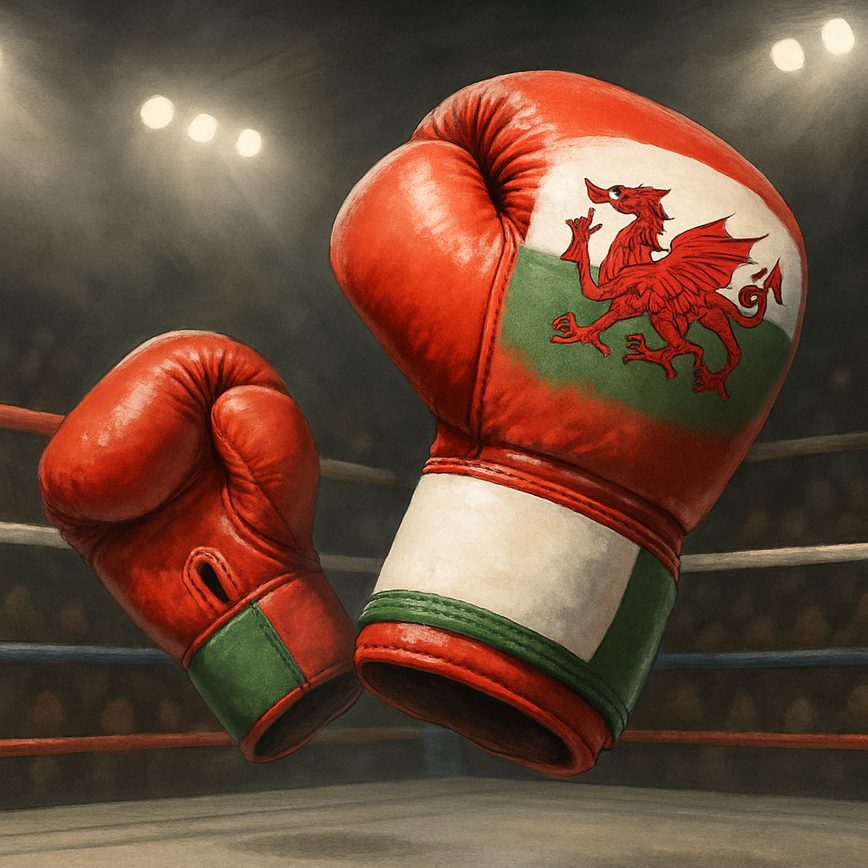
Overview of Welsh Boxing
Welsh boxing boasts a rich history deeply woven into the sporting and cultural fabric of Wales. From humble beginnings in local mining communities to the international arenas, Welsh boxing has grown to represent not just a sport but an integral part of Welsh identity. The boxing culture in Wales is distinguished by its passionate fans, historic venues, and a legacy of producing some of the most talented fighters the sport has ever seen.
The boxing history of Wales is marked by numerous milestones that have helped elevate the nation’s status on the global boxing stage. Welsh boxing first gained prominence in the late 19th and early 20th centuries, heralding a golden age with the emergence of fighters who became household names. These figures didn’t just win titles—they inspired generations and established boxing as a cornerstone of Welsh sporting tradition.
Among the most celebrated Welsh boxers are legends such as Jimmy Wilde, famously known as “The Mighty Atom,” whose extraordinary career in the early 1900s set new standards in flyweight boxing. Fast forward to the 20th century, and you encounter the likes of Howard Winstone and Jim Driscoll, both revered not only for their skill but also for their contributions to the boxing culture in Wales. More recently, fighters like Joe Calzaghe and Enzo Maccarinelli have continued this proud legacy, achieving international acclaim and proving that Welsh boxing remains a force to be reckoned with.
The culture surrounding Welsh boxing is characterized by resilience, community spirit, and unyielding dedication. Boxing gyms across Wales serve as more than just training centers—they are hubs of social interaction and support, nurturing talent and fostering a sense of belonging. This cultural importance ensures that boxing maintains a special place not only in sports media but in the hearts of Welsh people nationwide.
In conclusion, the story of Welsh boxing is one of endurance, pride, and remarkable achievements. It stands as a testament to the spirit of Wales—its working-class roots, its love of sport, and its celebration of those who fight not just for victory but for the honor and history of Welsh boxing itself.
Historical Development of Boxing in Wales
Boxing origins in Wales trace back to informal bare-knuckle fighting matches that were popular among working-class communities during the 18th and 19th centuries. These early bouts often took place in rural and industrial areas, gaining attention as a form of physical contest rooted in Welsh sports history. The sport’s evolution mirrored the social and economic shifts occurring in Wales, especially with the rise of coal mining and steelworking industries that fostered a culture valuing strength and resilience.
By the late 19th and early 20th centuries, boxing began transitioning from these rudimentary matches into more organized sporting events. The establishment of boxing clubs and formal rules helped professionalize the sport, attracting a wider audience and greater media coverage. Welsh boxers started to make their mark nationally and internationally, contributing significantly to boxing history as champions emerged from modest backgrounds to achieve fame and success.
In modern times, Welsh boxing continues to thrive as a key part of Welsh sports history. The sport is celebrated for its rich heritage and ongoing contribution to the UK’s boxing scene. Contemporary champions build on the legacy of their predecessors, inspiring new generations and maintaining Wales’ reputation as a breeding ground for talented fighters. This historical development highlights the enduring passion and importance of boxing in Wales from its early days to the present.
Notable Welsh Boxers and Their Impact
Welsh boxing has produced many famous Welsh boxers who have left a profound mark on the sport and become true Welsh sports icons. Legends like Joe Calzaghe, a celebrated undefeated world champion, elevated the profile of Welsh boxing globally. His skill, determination, and sportsmanship brought immense pride not only to Wales but to the broader British boxing community. Calzaghe’s success inspired countless young athletes in Wales, proving that local talent could reach the highest international levels.
Another iconic figure is Jimmy Wilde, known as the “Ghost with a Hammer in His Hand.” Wilde was one of the first Welsh boxers to gain international fame for his extraordinary punching power and speed during the early 20th century. His legacy helped shape the sport’s early competitive standards and encouraged a strong boxing culture within Wales. Wilde’s impact remains a source of national pride to this day.
More recently, boxers like Enzo Maccarinelli and Lee Selby have continued to enhance Wales’s reputation in the boxing world. Their achievements have reinforced the strong tradition of Welsh excellence in the ring. Collectively, these famous Welsh boxers have significantly contributed to the sport’s development and fostered a deep sense of national unity and pride, making them enduring symbols of Welsh sports icons.
Welsh Boxing Representation in British Sports Media
Welsh boxing holds a unique and significant place within the broader scope of British sports media, yet its coverage often exhibits notable patterns in frequency, tone, and prominence that reflect wider cultural and regional dynamics. Sports media in Wales frequently highlight local boxing talent with enthusiasm, celebrating homegrown champions and rising stars. However, when coverage extends to the UK level, the presence of Welsh boxing in mainstream British sports media can be less consistent and pronounced.
In terms of frequency, boxing coverage in the UK tends to prioritize more globally renowned British boxers based in England, with Welsh boxing receiving sporadic attention that spikes around major fights or high-profile bouts involving Welsh fighters. During these moments, Welsh boxing media portrayal gains heightened visibility; local outlets and specialized sports channels emphasize the achievements and personal stories of Welsh boxers, offering in-depth narratives that resonate with regional pride. Nonetheless, in national sports media outlets, coverage may return to a more peripheral or intermittent presence once the immediate excitement wanes.
The tone of Welsh boxing representation in British sports media generally conveys respect and admiration for the discipline’s rich heritage and the toughness and skill of Welsh boxers. Features often highlight the fighters’ perseverance, community ties, and cultural identity, projecting a positive and sometimes heroic image. However, this tone can vary depending on the media outlet; while Welsh sports media emphasize local pride and personal storytelling, some UK-wide coverage risks reducing Welsh boxers to mere supporters or underdogs within a larger British framework. This nuanced portrayal affects how audiences perceive Welsh boxing, balancing recognition with occasional marginalization.
Prominence within the British sports media landscape is a challenge for Welsh boxing, given the competition from other sports and regions that dominate headlines. While Welsh fighters have made significant strides, especially in weight classes and championships, their stories and coverage often remain overshadowed by the broader UK boxing scene centered in England. Nevertheless, digital platforms and niche media focusing on sports media Wales have increased opportunities for Welsh boxing to receive tailored and sustained coverage, enabling fans and the community to rally around their heroes without relying solely on mainstream British sports outlets.
Overall, the representation of Welsh boxing in British sports media reveals a landscape marked by fluctuating attention, a predominantly respectful and proud tone, but limited consistent prominence beyond Wales itself. Continued efforts from sports media Wales and evolving trends in digital and regional broadcasting are likely to enhance the visibility and depth of boxing coverage UK-wide, ensuring that Welsh boxing media portrayal maintains its rightful place in the diverse tapestry of British sports journalism.
Media Platforms Covering Welsh Boxing
Welsh boxing has garnered significant attention on multiple sports media platforms across the UK, reflecting both the nation’s rich boxing heritage and the growing interest in its fighters. Key UK sports broadcasters such as BBC Sport and Sky Sports play a pivotal role in delivering extensive Welsh boxing coverage. BBC Sport, known for its comprehensive regional and national sports updates, frequently highlights major Welsh boxing events and profiles prominent local boxers. Similarly, Sky Sports offers live broadcasts and in-depth analysis of important bouts featuring Welsh fighters, ensuring they receive nationwide exposure.
In addition to traditional broadcasters, digital platforms like ITV Hub and BT Sport contribute to the media landscape by streaming Welsh boxing matches and providing supplementary content including interviews, fight previews, and post-fight reviews. These platforms are crucial for reaching younger audiences who consume sports primarily through online and on-demand services.
Moreover, dedicated boxing websites and social media channels have increased the visibility of Welsh boxing, offering real-time updates and fostering community discussions. Collectively, these sports media platforms ensure that Welsh boxing coverage remains vibrant and accessible, supporting the sport’s growth and celebrating the achievements of Welsh fighters on both a regional and national scale.
Narratives and Themes in Media Coverage
Media narratives boxing in the UK often portray Welsh boxing through distinct and evocative themes that resonate with both national pride and cultural identity. One prevailing theme is the underdog narrative, where Welsh boxers are depicted as resilient fighters overcoming adversity, reflecting the broader history of Wales as a working-class nation with a strong fighting spirit. UK sports journalism frequently highlights stories of personal struggle, perseverance, and community roots, framing Welsh boxers as emblematic of determination and grit.
Another common angle is the focus on legacy and heritage, emphasizing the rich tradition of boxing in Wales, often referencing iconic champions and the historic venues where the sport flourished. This theme ties Welsh boxing into a larger cultural narrative, portraying it as an integral part of Welsh identity and pride. UK media also tends to emphasize the close-knit communities that support these athletes, often showing how local enthusiasm and grassroots clubs foster the development of boxing talent.
Sports journalism UK coverage often balances these narratives with an eye for drama and spectacle, underscoring boxing’s intensity and the physical and mental challenges fighters endure. Themes of redemption, rivalry, and triumph are woven into coverage, captivating audiences beyond just boxing fans. Overall, the media narratives boxing in Wales not only highlight athletic achievement but also serve to connect readers emotionally with the sport through stories of courage, heritage, and community spirit.
Challenges and Opportunities for Welsh Boxing in the Media
Welsh boxing faces significant media challenges that impact its promotion and overall visibility. One of the primary issues is the overshadowing of Welsh fighters by more globally recognized boxing hubs such as London, Las Vegas, or New York. This geographical bias means that media outlets often prioritize stories and coverage from larger markets, leaving Welsh boxing underrepresented on both national and international platforms. The struggle to secure consistent media attention hampers efforts to elevate Welsh boxers and grow a dedicated fanbase beyond regional boundaries.
Another challenge lies in the limited resources available for promoting Welsh boxing effectively. Local promoters sometimes lack the expertise or funding necessary to launch widespread media campaigns, which restricts the sport’s reach to niche audiences instead of a broader sports-viewing public. This scarcity of professional media engagement diminishes the sport’s potential to attract sponsorships and partnerships, which are crucial for sustainable growth.
However, there are distinct sports media opportunities that Welsh boxing can leverage to improve its profile. Digital platforms and social media offer cost-effective channels to directly engage fans, share compelling stories, and showcase emerging talent. By harnessing the power of content creation, such as behind-the-scenes videos, fighter interviews, and live streaming of events, Welsh boxing can build a strong online presence and cultivate a loyal community. This direct-to-fan approach helps to counteract traditional media barriers and increases boxing visibility in untapped demographics.
Additionally, collaboration with mainstream British sports media outlets presents an opportunity to gain broader exposure. Welsh boxing organizations can pitch exclusive content and human-interest stories that highlight the unique cultural and historical aspects of boxing in Wales. Engaging with sports journalists, influencers, and broadcasters can also create pathways for more frequent coverage, helping to shift the narrative towards a more inclusive representation of British boxing. In essence, by addressing media challenges with innovative promotion strategies and embracing new media trends, Welsh boxing can enhance its visibility and secure a more prominent place within British sports media.
Barriers to Media Exposure for Welsh Boxing
Welsh boxing faces several media barriers that significantly limit its visibility in British sports coverage. One major challenge is the dominance of mainstream sports such as football and rugby, which tend to monopolize airtime and editorial space. These sports have a broader fanbase, making media outlets less inclined to allocate resources to niche sports like boxing in Wales.
Another obstacle is the limited number of high-profile Welsh boxers breaking into the national spotlight. Without marquee names consistently performing on larger stages, Welsh boxing struggles to capture the sustained interest of sports media. This lack of star power directly impacts the frequency and depth of coverage the sport receives, creating a vicious cycle of limited exposure and stagnant growth.
Furthermore, sports coverage limitations arise from geographic and economic factors. Wales is often overshadowed by larger English cities where most major media outlets are based. This geographic bias means that Welsh boxing events, unless extraordinary, receive minimal coverage beyond local newspapers or regional broadcasts. Funding constraints for Welsh boxing promotions also restrict the scale of events, making them less attractive to national broadcasters.
In summary, the media barriers for Welsh boxing include competition from dominant sports, a scarcity of prominent athletes, and geographic-economic disparities that restrict sports coverage. Overcoming these challenges is crucial for enhancing the presence and recognition of Welsh boxing in British sports media.
Strategies to Boost Media Presence
Welsh boxing stakeholders can significantly increase media coverage and fan engagement by implementing targeted media promotion strategies. First, developing strong relationships with both local and national sports media outlets is crucial. This includes providing timely press releases, exclusive interviews, and behind-the-scenes access to foster ongoing media interest. Welsh boxing marketing efforts should also embrace digital platforms by actively engaging audiences through social media campaigns that highlight upcoming fights, athlete stories, and community involvement.
Utilizing sports media strategies such as live-streaming events and partnering with influencers in the boxing community can help expand reach beyond traditional audiences. Creating engaging content like fighter profiles, training insights, and interactive Q&A sessions can deepen fan loyalty and anticipation for bouts. Stakeholders should also consider collaborating with local businesses and sponsors to co-promote events, thereby increasing visibility through cross-promotional activities.
Another effective approach involves organizing community-based boxing clinics and open training sessions, which can be used to generate positive media stories and grassroots support. Engaging sports journalists by inviting them to these events ensures authentic coverage that resonates with fans. By aligning Welsh boxing marketing with current trends in sports media strategies—such as leveraging data analytics to track audience preferences—stakeholders can tailor campaigns for maximum impact and sustained growth in media presence.

Growing up in the valleys, the atmosphere of a local fight night has always felt like home to me. I spend my weekends travelling the length and breadth of Wales to catch amateur and professional bouts, documenting the grit and glory of our fighters.