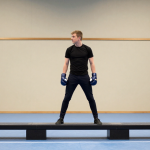

Welsh boxing has always been shaped by the hills, the crowds and the weather, and 2026 brings a fresh set of challenges for anyone stepping into the ring. The relentless rain that sweeps across Cardiff, Swansea and the valleys can turn a well‑planned session into a slippery test of resolve, especially for a professional boxer who relies on precise footwork and consistent conditioning. Coaches now factor humidity levels into their period‑training plans, and gyms are investing in technology that mitigates the damp. Understanding how the climate interacts with training loads is no longer optional; it is a core part of a fighter’s competitive edge.
Selection Criteria for Weather‑Smart Training Facilities
When scouting venues, the first question is how the building deals with moisture. Facilities that feature heated floors and dehumidifiers keep the air at a comfortable 18‑20 °C, reducing the risk of muscle stiffness that often follows a cold, wet session. The second criterion is ventilation; a well‑ventilated space prevents mould growth while still allowing fresh air, which is crucial for maintaining aerobic capacity during long sparring rounds. Finally, the location should offer easy access to both indoor and outdoor rings so athletes can switch environments without losing momentum, a flexibility that has become a hallmark of successful Welsh camps.
Another important factor is the availability of slip‑resistant flooring. Many modern gyms install rubberised mats with a micro‑textured surface that remains stable even when sweat mixes with ambient humidity. This reduces the chance of accidental slips that could derail a training cycle just weeks before a title bout. Trainers also look for venues that provide real‑time weather dashboards, allowing them to adjust the day’s programme at a moment’s notice based on forecasted rain intensity.
Indoor Gyms with Advanced Climate Control
Gyms that have invested in climate‑control systems give fighters a predictable environment, which is essential for replicating fight‑night conditions. In 2026, several Welsh centres have installed smart HVAC units that automatically adjust temperature and humidity based on sensor feedback, keeping the atmosphere within a narrow band that mirrors the average conditions of major venues like the Principality Stadium. This stability helps a professional boxer maintain the same pacing and breathing rhythm during high‑intensity intervals, regardless of the weather outside.
Beyond temperature, these gyms often feature infrared saunas and cryotherapy chambers that aid recovery after a rain‑soaked outdoor session. The contrast between heat and cold can accelerate the removal of lactic acid, allowing athletes to train twice a day without compromising performance. Such amenities also attract elite talent from across the UK, turning Welsh gyms into hubs of international expertise and fostering a competitive atmosphere that pushes local fighters to higher standards.
Outdoor Rings with Drainage and Slip‑Resistant Surfaces
For those who prefer to train under the open sky, the quality of the outdoor ring is paramount. Modern rings in Wales now incorporate a layered drainage system beneath a synthetic canvas that channels water away within seconds of a downpour. The surface is treated with a polymer coating that enhances grip even when the ground is damp, ensuring that foot placement remains precise during foot‑work drills and defensive manoeuvres.

Coaches also advise fighters to schedule technical work, such as shadow‑boxing and bag routines, during lighter rain periods, reserving heavy sparring for days when the ring has fully dried. This approach minimises the risk of joint strain caused by uneven footing while still allowing athletes to benefit from the mental toughness that training in adverse weather can develop.
Conditioning Strategies for Damp Air and Low Temperatures
Training in moist, cool air places additional stress on the cardiovascular system, so conditioning programmes have been tweaked to account for the reduced oxygen availability. Interval workouts now include longer warm‑up phases to raise core temperature, followed by shorter, high‑intensity bursts that prevent the body from cooling too quickly. This method mirrors the energy demands of a bout fought in a chilly arena, where a fighter must generate power without the aid of a warm environment.
Strength sessions also incorporate resistance bands that are less likely to slip from sweaty hands compared with traditional free weights. The bands provide consistent tension even when humidity is high, allowing athletes to maintain muscle activation without the need for constant grip adjustments. Such adaptations help a professional boxer keep strength gains on track throughout the wet season, avoiding the typical performance dip seen in earlier years.
Nutrition and Recovery Adjustments for Rain‑Heavy Weeks
Dietary plans in 2026 have become more nuanced, with nutritionists recommending higher intake of omega‑3 fatty acids and vitamin D during prolonged periods of low sunlight. These nutrients support joint health and immune function, both of which can suffer when training in cold, damp conditions. Meals are also timed to align with the body’s circadian rhythm, ensuring that glycogen stores are replenished before the evening training sessions that are common during the rainy months.
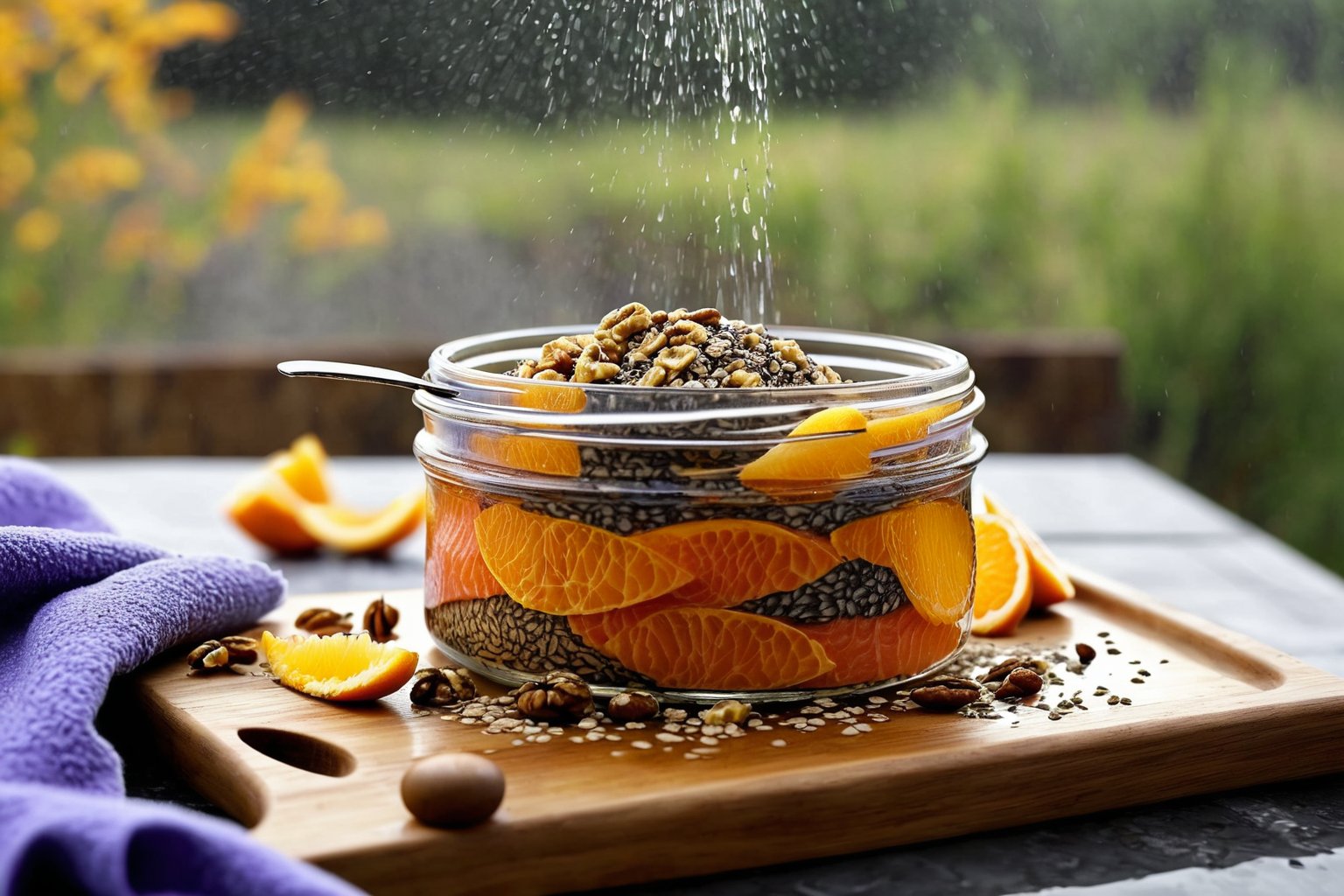
Hydration strategies have shifted as well; athletes are encouraged to drink warm electrolyte drinks rather than cold water to maintain core temperature. Post‑training recovery now often includes contrast showers that alternate between warm and cool water, a technique that improves circulation and reduces muscle soreness caused by the extra strain of training in wet weather.
How a professional boxer Can Thrive in Wet Conditions
Success in the Welsh rain hinges on a blend of mental resilience and practical adjustments. Fighters who embrace the challenge view each wet session as an opportunity to sharpen their balance and reaction time, skills that translate directly to the ring. By selecting a gym with robust climate control, utilising outdoor rings designed for rapid drainage, and tailoring conditioning and nutrition to the damp climate, athletes can turn the weather from a hindrance into a competitive advantage.
Ultimately, the decision rests on the individual’s goals and resources. Some will prioritise the consistency of an indoor climate, while others will seek the psychological edge that comes from mastering the elements. Whichever path a boxer chooses, the key is to integrate the weather‑specific strategies into every facet of the training cycle, ensuring that the rain of 2026 becomes a catalyst for growth rather than a setback.

Growing up in the valleys, the atmosphere of a local fight night has always felt like home to me. I spend my weekends travelling the length and breadth of Wales to catch amateur and professional bouts, documenting the grit and glory of our fighters.