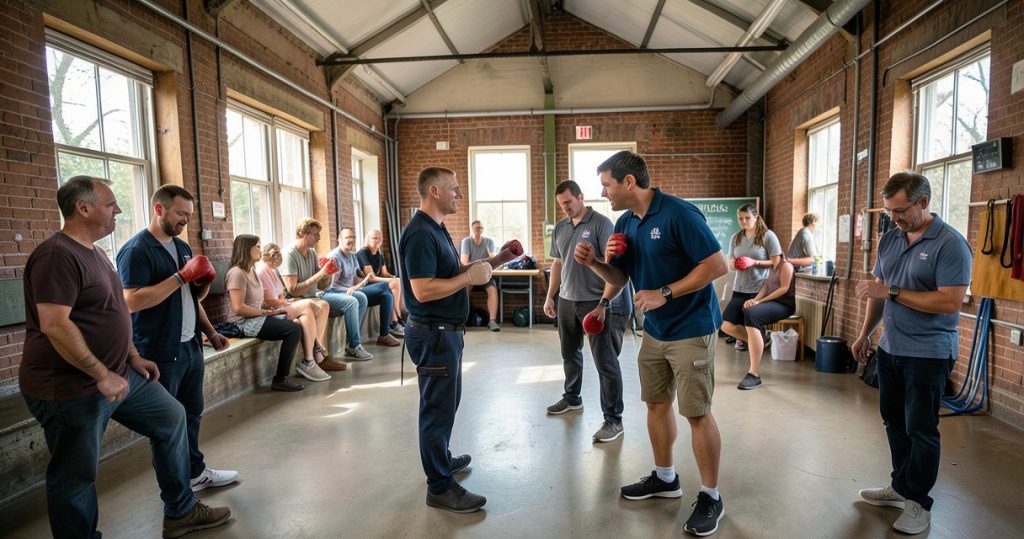
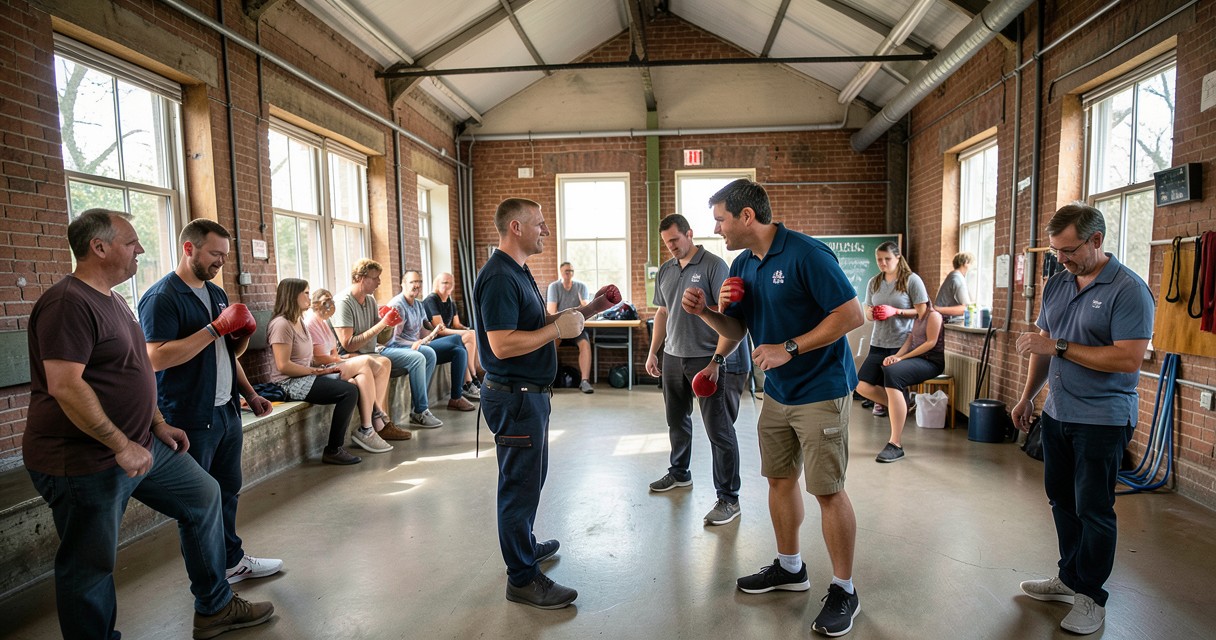
Volunteer involvement is the lifeblood of Welsh boxing clubs, turning modest community spaces into thriving centres of sport, health and social cohesion. Across the valleys and coastal towns, clubs rely on unpaid hands to coach, maintain equipment, organise events and reach out to young people who might otherwise lack positive role models. The recent revival of a historic boxing club by a group of young volunteers in South Wales illustrates how grassroots enthusiasm can counteract rising youth unemployment, while strategic funding from the Welsh Rugby Union’s £100,000 volunteering grant demonstrates institutional recognition of this model. Understanding the variety of roles available helps aspiring volunteers see where their skills fit best and highlights the tangible impact they can have on the sport’s future in Wales.
Why volunteers are essential to community boxing gyms
Boxing clubs in Wales often operate on tight budgets, with membership fees barely covering rent, utilities and basic equipment. Volunteers bridge the financial gap by providing services that would otherwise require paid staff, such as coaching, administration and facility upkeep. Their presence also creates a welcoming atmosphere that encourages newcomers to stay, fostering a sense of belonging that is especially valuable in areas facing economic hardship. By donating time, volunteers enable clubs to offer free or low‑cost training sessions, which can be a lifeline for young people at risk of disengagement from education or employment. The collective effort of volunteers thus sustains the day‑to‑day rhythm of training, competition and community outreach.
Beyond the economics, volunteers embody the cultural heritage of Welsh boxing, passing down traditions that date back to the early 20th century. Many clubs trace their lineage to community halls where miners and shipbuilders once sparred after long shifts, and volunteers act as custodians of that legacy. Their stories and personal connections add depth to the club environment, turning a simple gym into a living museum of local pride. This intergenerational link not only preserves history but also inspires the next cohort of fighters to honour the sport’s roots while aiming for modern success.
Coaching assistants and junior trainers: nurturing the next generation
Assistant coaches form the front line of talent development, working under senior trainers to deliver technique drills, conditioning routines and safety briefings. In clubs like the one celebrating its tenth anniversary in Kidderminster, junior coaches often start as volunteers after completing a short Level 1 coaching course, gaining hands‑on experience while earning a modest stipend from the club’s fundraising events. Their responsibilities include monitoring sparring sessions, providing feedback on footwork and helping to tailor workouts for different age groups, ensuring that each boxer receives personalised attention. This tiered coaching structure creates a pipeline of skilled trainers who can eventually step into head‑coach roles, sustaining the club’s competitive edge.
Volunteer junior trainers also play a crucial role in outreach programmes aimed at disengaged youth. Partnerships with local schools and youth centres allow clubs to run free introductory sessions, where volunteers introduce basic boxing fundamentals and the values of discipline and respect. In areas where unemployment among 16‑ to 24‑year‑olds has surged, such programmes have shown measurable reductions in absenteeism and improvements in confidence levels. By acting as mentors and role models, volunteer coaches help young people see a pathway out of inactivity and into constructive sport participation.
Gym operations and equipment caretakers: keeping the ring ready
Every training session depends on well‑maintained facilities, and volunteers dedicated to gym operations ensure that rings, bags and protective gear are safe and functional. Routine tasks include inspecting canvas for tears, tightening rope tension, sanitising gloves and repairing heavy bags that endure daily impact. In a recent case study, a volunteer equipment caretaker at a Pembrokeshire club identified a worn‑out boxing ring canvas and organised a community fundraiser that secured a replacement within weeks, preventing a potential injury crisis. Such proactive maintenance not only protects athletes but also extends the lifespan of costly equipment, saving clubs significant capital outlay.

Beyond physical upkeep, operational volunteers manage scheduling, member registration and health‑safety compliance, often using simple spreadsheet tools to track bookings and ensure that capacity limits are respected. Their administrative diligence becomes especially important when clubs host regional tournaments, where compliance with Welsh Boxing Association regulations is mandatory. By handling these logistical details, volunteers free senior staff to focus on training and strategic planning, creating a smoother, more professional environment that attracts both new members and external sponsors.
Outreach and inclusion: disability boxing and youth unemployment programmes
Inclusive boxing sessions have emerged as a powerful response to social challenges, with volunteers leading specialised classes for participants with physical or learning disabilities. In Pembrokeshire, a pioneering programme run by dedicated volunteers offers adaptive training that modifies equipment and drills to suit individual needs, fostering confidence and physical fitness among participants who might otherwise feel excluded from mainstream sport. These sessions are often supported by local health boards, but the day‑to‑day delivery rests on volunteers who adapt routines, monitor safety and celebrate each participant’s progress, creating a supportive community hub.
Parallel to disability initiatives, volunteers spearhead projects targeting youth unemployment, offering free boxing training combined with life‑skills workshops. The revival of a historic boxing club by a group of young volunteers in South Wales incorporated a mentorship scheme where experienced boxers taught résumé writing and interview techniques alongside physical conditioning. Early evaluations indicated that participants were twice as likely to secure part‑time work within three months, underscoring how volunteer‑driven sport programmes can act as springboards into broader economic participation. Such dual‑focus outreach demonstrates the versatility of volunteers in addressing both health and socio‑economic objectives.
Event coordination and competition logistics: staging bouts across Wales
Organising a boxing night involves a cascade of responsibilities, from securing a venue and arranging referees to promoting the card and handling ticket sales. Volunteer event coordinators typically liaise with the Welsh Boxing Association to ensure that bouts meet regulatory standards, while also negotiating with local councils for use of community halls or outdoor arenas. In recent years, clubs have successfully hosted regional qualifiers that attracted audiences of over 500 spectators, thanks to volunteers who managed everything from lighting rigs to catering contracts, turning a modest gym into a vibrant showcase of local talent.
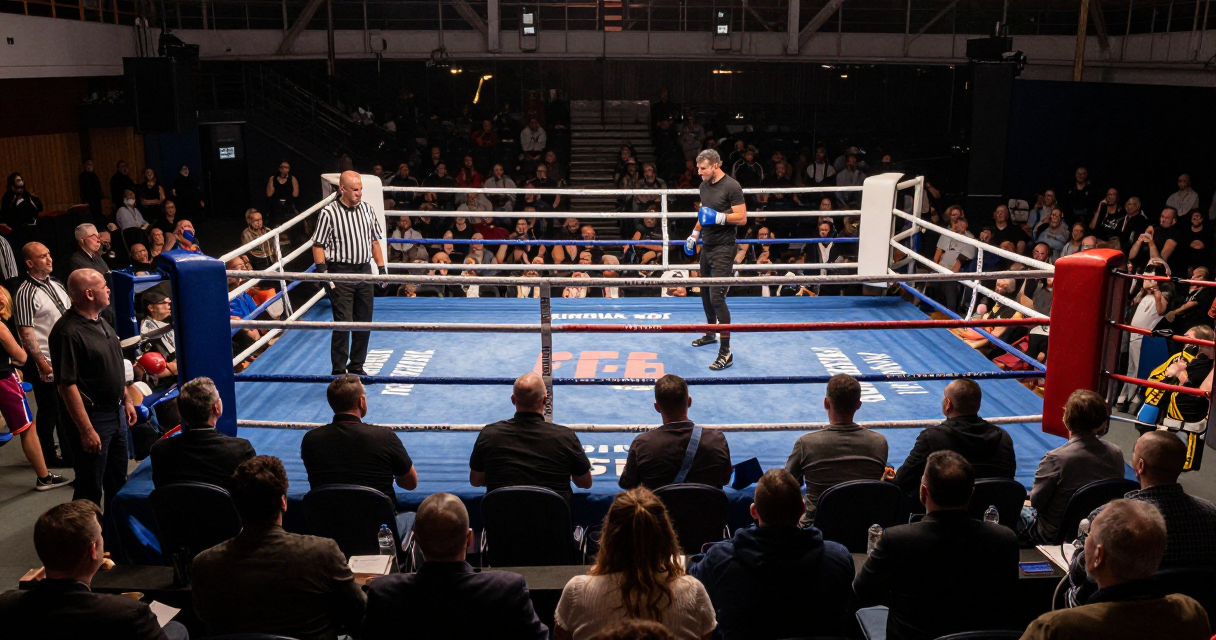
Volunteers also manage the behind‑the‑scenes aspects of competition, such as medical preparedness, score‑keeping and post‑fight record‑keeping. Their attention to detail ensures that each bout proceeds without interruption, preserving the integrity of the sport. Moreover, by recruiting volunteers from the local community to fill roles like time‑keepers and ushers, clubs deepen their engagement with supporters, creating a network of advocates who are more likely to donate time or resources in future initiatives. This collaborative event model reinforces the club’s reputation as a focal point for sporting excellence in the region.
Fundraising, administration and strategic grants: sustaining clubs for the future
Securing financial stability remains a constant challenge, and volunteers often lead the charge in fundraising activities that keep clubs afloat. From organising charity boxing exhibitions to running community bake sales, volunteers harness local enthusiasm to generate income that funds equipment upgrades, travel expenses for competitions and scholarships for promising athletes. The Welsh Rugby Union’s recent £100,000 strategic volunteering grant, awarded to a coalition of boxing clubs, illustrates how coordinated volunteer effort can attract substantial external funding, enabling clubs to expand outreach programmes and improve facilities.
Administrative volunteers also handle grant applications, donor correspondence and financial reporting, ensuring transparency and accountability that encourage continued support. Their expertise in navigating funding bodies, such as Sport Wales and local council schemes, can unlock additional resources that would otherwise be inaccessible to small clubs. By maintaining meticulous records and demonstrating measurable outcomes, like increased membership numbers or successful inclusion programmes, volunteers help clubs build a compelling case for future investment, securing the sport’s longevity across Wales.

Growing up in the valleys, the atmosphere of a local fight night has always felt like home to me. I spend my weekends travelling the length and breadth of Wales to catch amateur and professional bouts, documenting the grit and glory of our fighters.