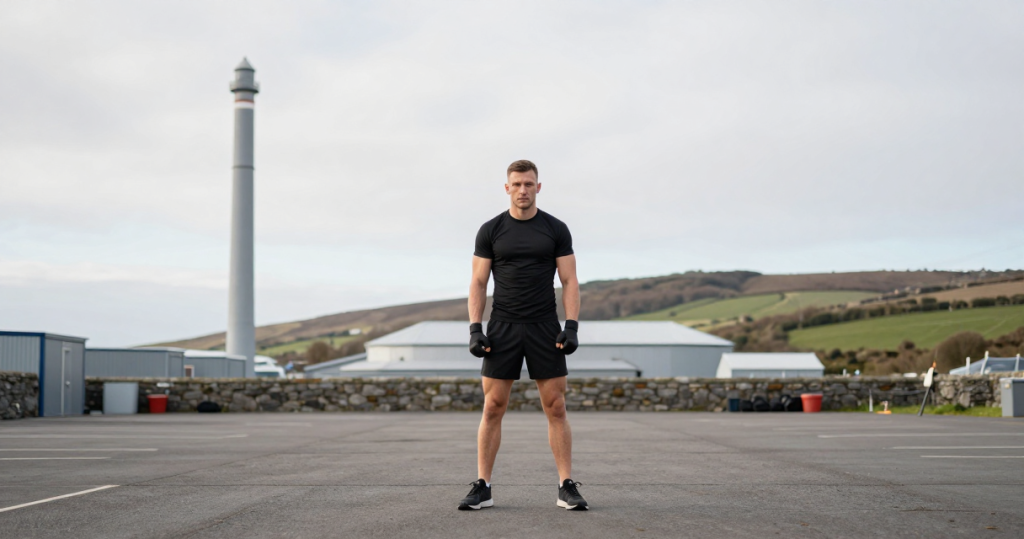
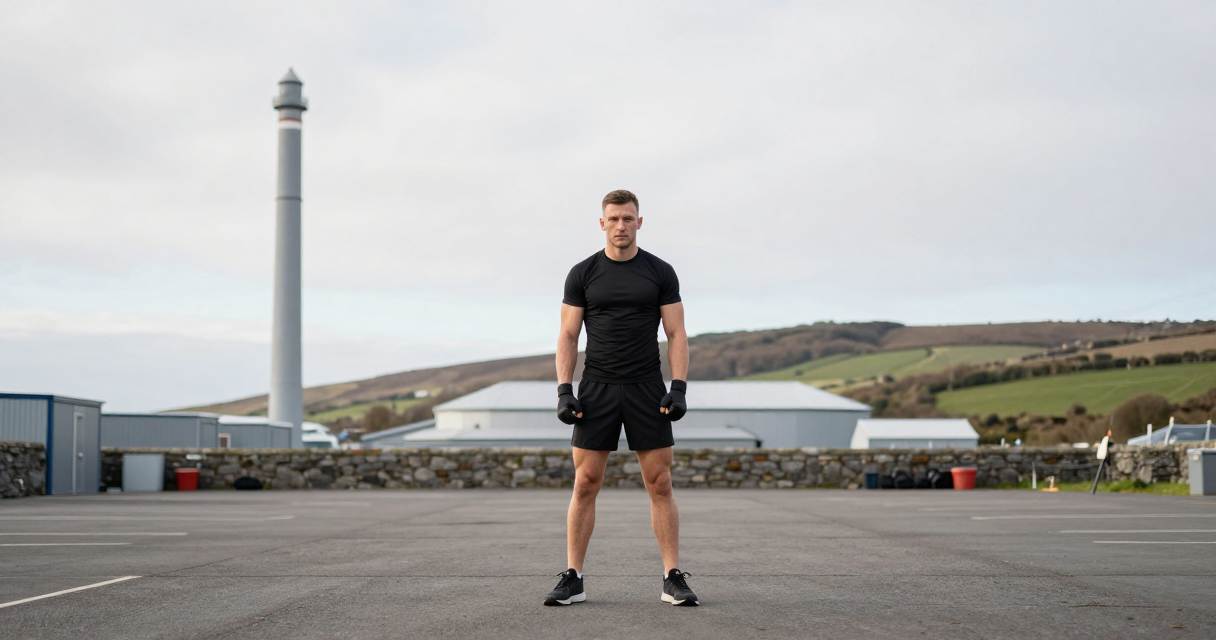
Stepping into the ring in Wales demands more than just raw talent; it requires a pre fight preparation that blends the rugged traditions of the valleys with modern sports science. For any Welsh boxer, the journey begins long before the bell rings, focusing on fueling the body and sharpening the mind. The unique landscape, from the coastal paths of Pembrokeshire to the industrial gyms of the South, shapes a fighter’s approach to nutrition and routine. This guide outlines the essential steps to ensure you are physically and mentally ready for the challenge ahead, honouring the specific demands of boxing in this nation.
Fueling the Welsh Warrior
Nutrition for a boxer in Wales must account for the intense training loads often performed in confined gym spaces, sometimes with limited access to fresh produce depending on the region. A pre fight diet should prioritise complex carbohydrates such as whole grain rice or oats to sustain energy through grueling sparring sessions. Hydration is equally critical, especially when training in the humid conditions of a summer camp or the cold draughts of winter gyms; fighters should aim to sip water consistently rather than chugging large amounts right before the session. Including lean proteins like chicken or fish supports muscle repair, while local Welsh foods, such as laverbread or laver, can provide essential iron and minerals, though portion control is key to avoid unwanted weight gain. Consulting a qualified sports nutritionist is advisable to tailor a plan that respects both performance goals and local dietary availability.
Crafting the Mental Fortress
The mental game in Welsh boxing is often as fierce as the physical exchange, with the rich history of the sport providing both inspiration and pressure. Developing a pre fight mindset involves visualising success in the ring, perhaps imagining the roar of the crowd at the iconic Cardiff Arms Park or the intimate atmosphere of a local working men’s club. Boxers must learn to manage pre fight anxiety, recognising that nerves are a natural part of the sport, but allowing them to spiral into doubt can be detrimental. Techniques such as controlled breathing or mindfulness meditation can help centre the mind, allowing the fighter to focus on the tactical plan rather than the fear of failure. A strong mindset is built on consistency; therefore, incorporating mental training into daily routines ensures it becomes as automatic as throwing a jab.
Establishing the Fight Routine
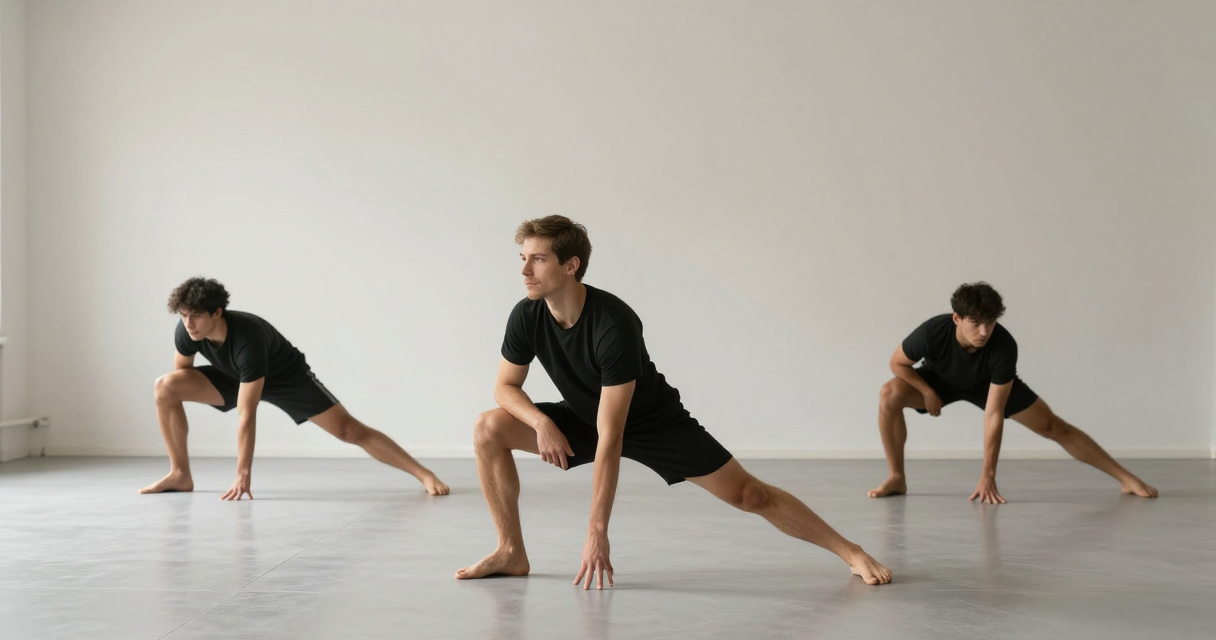
A successful pre fight routine is built on consistency and the specific rhythms of a boxer’s life in Wales, balancing gym time with rest and recovery. The day often begins with a light breakfast, perhaps porridge with local honey, followed by a technical drill session that sharpens footwork and combination punching. As the fight night approaches, the routine tightens, focusing on active recovery methods such as light stretching or a gentle swim in the sea to loosen tight muscles without adding stress. Sleep hygiene becomes paramount; aiming for eight hours of uninterrupted rest allows the body to consolidate the gains made during training and ensures the mind is sharp for fight day. Deviating from this routine, even slightly, can disrupt the body’s internal clock and lead to subpar performance when it matters most.
THE DOLCE DIET: What I Feed My UFC Fighters on Fight Day | Best Foods To Eat for Athletic Performance
Weight Management and the Welsh Way
Weight cutting is a delicate aspect of pre fight preparation that requires a strategic approach to avoid compromising health or performance. In the Welsh boxing community, there is a strong emphasis on natural weight management rather than drastic dehydration tactics, which can leave a fighter vulnerable to a knockout due to reduced cognitive function. Fighters should aim to walk into the ring at a weight close to their natural walking weight, utilizing a gradual reduction of training intensity in the final week. Monitoring body composition through regular checks helps ensure that the fighter is not losing muscle mass alongside fat. The goal is to step on the scales feeling strong and hydrated, rather than depleted and dizzy, a principle deeply respected across the boxing gyms of the Valleys.
The Final Countdown Preparations
In the 48 hours leading up to the bell, the pre fight preparation shifts towards tapering and mental sharpness rather than physical exertion. Light activity, such as a short walk or gentle bag work, keeps the limbs loose without draining the energy reserves needed for the bout. Nutrition during this period should be simple and familiar, avoiding any new foods that might upset the stomach or cause unexpected weight fluctuations. Hydration strategies must be precise; drinking too much can lead to bloating, while too little can affect punch resistance. It is also the time to finalise the game plan, reviewing footage of the opponent and ensuring all equipment, from gloves to mouthguards, is in perfect condition. This calm, deliberate final phase separates the well-prepared from the rushed.

Recovery and the Road Ahead
The journey does not end when the opponent’s hand is raised; post fight recovery is a critical component of the pre fight cycle for the next challenge. Active recovery, such as a light jog or a session in a hydrotherapy pool, helps flush out lactic acid and reduces soreness, allowing the boxer to return to training sooner. Nutrition post bout should focus on replenishing glycogen stores with carbohydrates and repairing tissue with protein, ideally within the so-called “anabolic window” of 30 to 60 minutes after the final bell. Sleep remains the most powerful tool for recovery, and fighters should prioritise a dark, cool environment to aid the body’s natural repair processes. By treating recovery with the same seriousness as the training camp, Welsh boxers can ensure they are always ready to step back into the squared circle when the time comes.

Growing up in the valleys, the atmosphere of a local fight night has always felt like home to me. I spend my weekends travelling the length and breadth of Wales to catch amateur and professional bouts, documenting the grit and glory of our fighters.