injury prevention measures in Welsh boxing events are essential to ensure the safety and well-being of fighters. The nature of boxing, with its inherent risks of injury, necessitates comprehensive medical protocols and support systems. This article delves into the various dimensions of medical support in Welsh boxing, comparing different approaches and examining their effectiveness in safeguarding athletes during events.
Pre-Event Medical Assessments
One of the foundational elements of medical support in boxing is the pre-event medical assessment. Before any fighter steps into the ring, they must undergo a thorough medical examination to determine their physical fitness. In Wales, this typically includes a neurological evaluation, cardiovascular tests, and a review of medical history. Different boxing organisations may have varying requirements, but the consensus is that these assessments are critical for identifying potential health risks. For instance, the British Boxing Board of Control mandates that all boxers must have a medical certificate issued by a licensed physician, ensuring that only those fit to fight are allowed to compete.
The importance of these assessments cannot be overstated, as they serve as a preventative measure against severe injuries. By identifying issues such as previous concussions or heart conditions, medical professionals can make informed decisions that prioritise the fighters’ health. The consistency of these assessments across various events in Wales reflects a commitment to fighter safety and aligns with best practices advocated by sports medicine experts.
In-Ring Medical Personnel
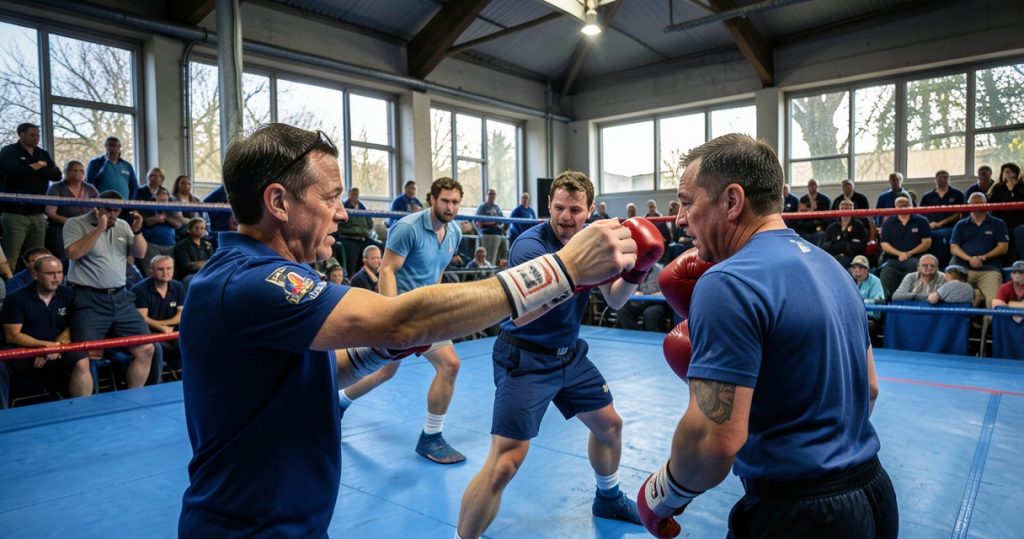
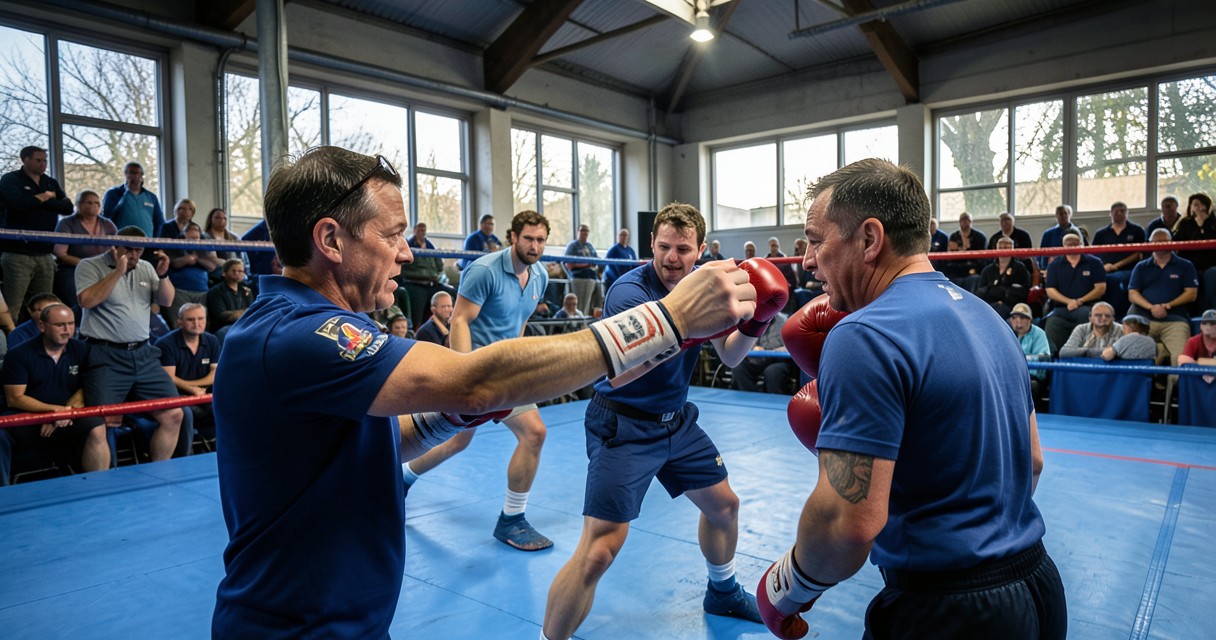
During boxing matches, the presence of qualified medical personnel is non-negotiable. Various boxing training methods used in Wales are demonstrated at events, where ringside doctors are also present. These professionals must be adept at recognising the signs of serious injuries, such as concussions or fractures, and act swiftly to protect the fighter’s well-being. The role of the ringside physician includes monitoring the fighters throughout the bout and having the authority to stop the fight if a boxer is deemed unfit to continue.
Different events may vary in the number of medical staff present, but the standard is to have at least one doctor ringside, along with paramedics on standby. This quick access to medical intervention is crucial, as it can significantly reduce the risk of long-term injury. Moreover, the presence of medical personnel who are familiar with the specific rules and risks of boxing enhances the overall safety net for fighters in Wales.
Post-Fight Medical Care
After a match, post-fight medical care is another critical dimension of medical support. Boxers often face immediate health risks following a bout, including concussions or other injuries that may not be immediately apparent. Medical staff are responsible for conducting post-fight evaluations to assess any injuries sustained during the match. This includes cognitive testing and physical examinations to ensure that fighters are fit to leave the venue safely.
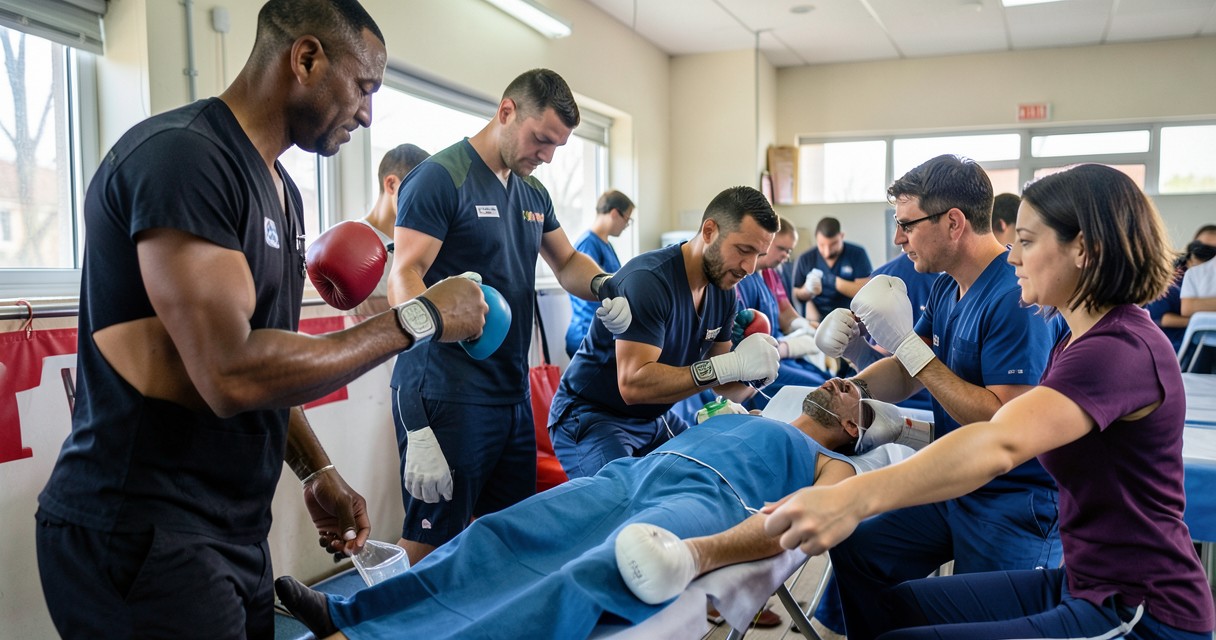
The protocols for post-fight care can differ among events, but many Welsh boxing promotions adhere to strict guidelines that recommend thorough examinations and monitoring. This is especially important given the long-term implications of concussions, which have gained increased attention in the sports community. The ability to provide immediate medical care and follow-up is vital in addressing any injuries that may affect a fighter’s future career.
Education and Awareness for Boxers
Another important aspect of medical support is the education and awareness provided to boxers regarding health risks associated with the sport. psychological preparation workshops for boxers in Wales are regularly run by clubs and organisations to help fighters recognize injury symptoms. This proactive approach empowers boxers to prioritise their health and seek medical attention when necessary.
Educational initiatives can vary, with some clubs incorporating regular health checks and discussions into their training routines. This not only fosters a culture of safety but also encourages fighters to take an active role in their health management. By understanding the risks and the importance of medical support, boxers are better equipped to make informed decisions about their participation in the sport.
Regulatory Framework and Compliance
In Wales, the regulatory framework governing boxing events plays a significant role in ensuring that medical support is standardised across the board. fitness preparation guidelines for boxing in Wales have been established by the Welsh Government and sporting bodies. These regulations include the necessity of pre-fight medical examinations, the presence of qualified medical personnel during bouts, and post-fight assessments.
Compliance with these regulations is monitored by relevant authorities, ensuring that promoters and event organisers adhere to safety standards. This regulatory oversight is essential for maintaining the integrity of the sport and protecting the health of athletes. Prominent boxing role models in Wales inspire safe practices among young athletes, as different organisations set specific guidelines for training and competition.
Emergency Response Protocols
Emergency response protocols are a vital component of medical support in boxing events. In the event of a serious injury, having a clear and efficient response plan can make all the difference. Welsh boxing events typically have established procedures to follow in case of an emergency, including immediate access to ambulances and emergency medical teams trained in trauma response.
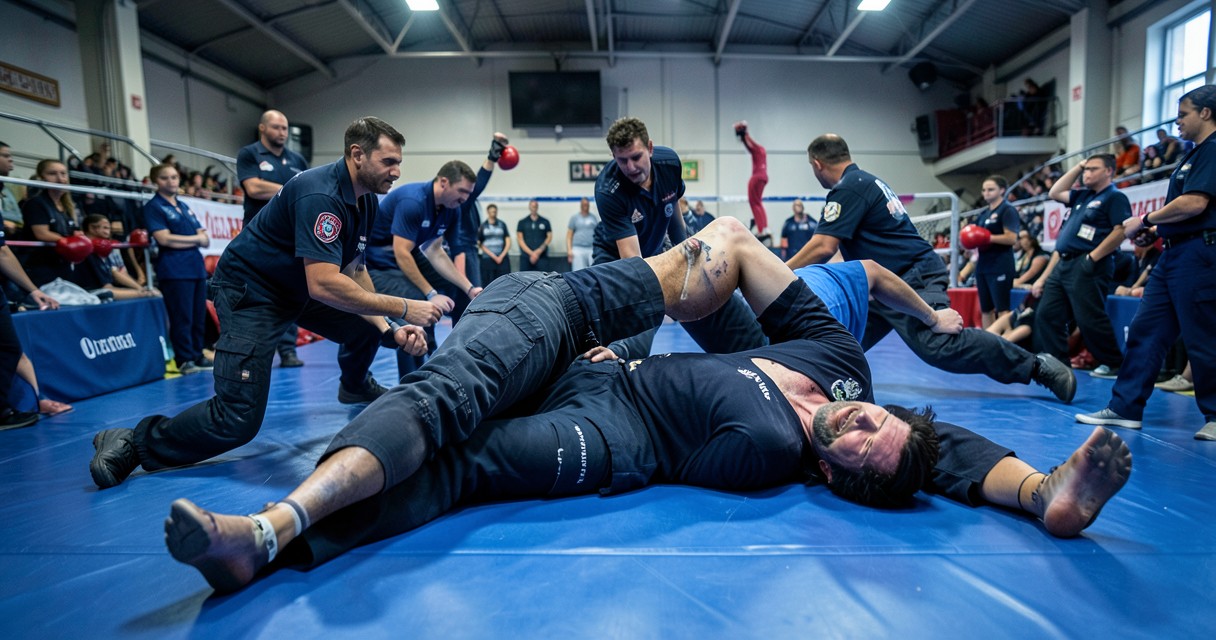
The effectiveness of these protocols can vary depending on the venue and the level of organisation of the event. High-profile matches often have more comprehensive emergency plans in place compared to smaller local events. However, all events must ensure that medical personnel are well-versed in these protocols to facilitate quick and effective action when needed. Continuous training for medical staff is essential to keep them updated on the latest emergency response techniques and to ensure that they can provide the best care possible.
Future Directions in Medical Support
The landscape of medical support in Welsh boxing is constantly evolving, with ongoing discussions about how to enhance safety measures further. Advances in medical technology and research into sports injuries are paving the way for improved assessment and treatment methods. For instance, the use of advanced imaging techniques can help in diagnosing injuries that are not immediately visible during physical examinations.
Moreover, the integration of mental health support into medical care for boxers is gaining traction. Recognising the psychological impact of injuries and the pressures of competition is becoming increasingly important. Future initiatives may focus on providing comprehensive care that includes both physical and mental health resources for athletes. This holistic approach aligns with the growing recognition of the importance of mental well-being in sports and could lead to better overall outcomes for boxers in Wales.

Growing up in the valleys, the atmosphere of a local fight night has always felt like home to me. I spend my weekends travelling the length and breadth of Wales to catch amateur and professional bouts, documenting the grit and glory of our fighters.