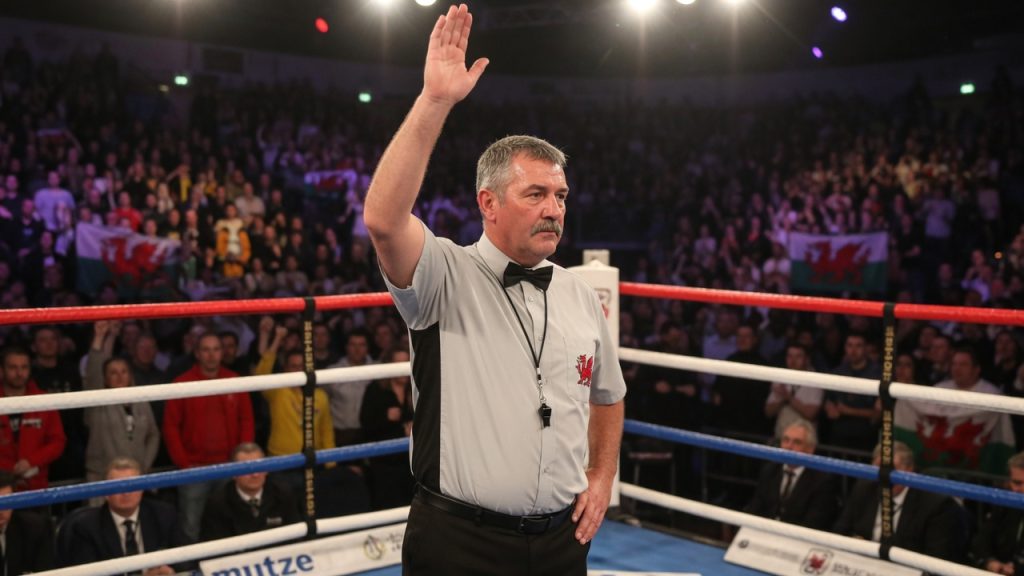
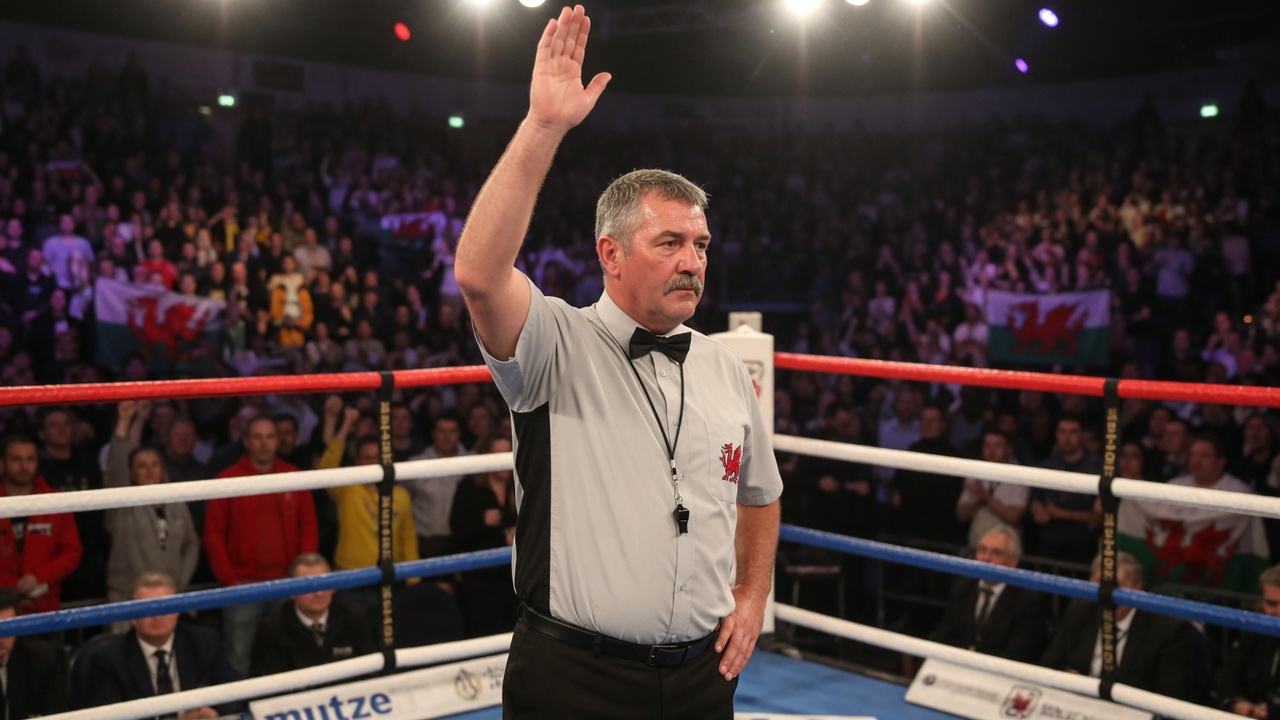
Introduction to Welsh Boxing Referees
Welsh boxing referees play a crucial role in the sport, ensuring that matches are conducted fairly, safely, and in accordance with established rules. As the key officials in boxing events throughout Wales, these referees serve as the guardians of the sport’s integrity, upholding standards that maintain the respect and trust of fighters, trainers, and fans alike. Wales’ greatest boxers benefit from their presence in the ring, which is indispensable to influencing the flow of each bout and the reputation of boxing officiating.
The role of referees in Welsh boxing extends beyond simply enforcing rules. These officials carry the responsibility of protecting the well-being of the boxers, stepping in to stop matches when necessary to prevent serious injury. By closely monitoring the fighters’ performances and physical conditions, Welsh boxing referees must make quick, impartial judgments that prioritize athlete safety while balancing the competitive spirit of the sport.
Central to boxing officiating in Wales is the referee’s duty to control the action inside the ring. This includes managing the pacing of rounds, breaking clinches, warning fighters for fouls, and ensuring that the competition remains clean and respectful. Their decisions can have a significant impact on the outcome of matches, requiring an excellent understanding of the rules, keen observation skills, and the ability to remain calm under pressure.
Welsh boxing referees also play a vital role in enhancing the credibility and professionalism of the sport locally and internationally. Their commitment to fairness helps to foster a competitive environment based on respect and sportsmanship, which is essential for the growth and popularity of boxing in Wales. The referees’ presence reassures participants and spectators that matches are conducted with the highest ethical standards, reinforcing the integrity of boxing as a respected sport.
In summary, the role of referees in Welsh boxing is multifaceted and essential. They are responsible not only for the fair enforcement of rules but also for protecting boxers and maintaining the sport’s integrity. Through their dedication and expertise, Welsh boxing referees contribute significantly to the safety, fairness, and respect that define boxing officiating Wales-wide.
Overview of Boxing Refereeing in Wales
Boxing refereeing in Wales features a well-structured system with Wales’ boxing champions governed by specific bodies that ensure enforcement of regulations. At the core of boxing refereeing in Wales is the Welsh Boxing Council (WBC), which operates under the broader framework of UK boxing governance. The WBC works closely with the British Boxing Board of Control (BBBofC), which oversees the licensing and regulation of professional boxing across the UK, including Wales. Together, these bodies maintain high standards of refereeing to protect the welfare of boxers and to uphold fair competition.
The Welsh boxing refereeing overview highlights a rigorous certification and training process mandated by the governing bodies. Referees in Wales are required to complete specialized training courses that focus on the rules and regulations unique to Welsh boxing. These courses cover the nuances of boxing governance in Wales, including the adherence to safety protocols, scoring systems, and disciplinary procedures as outlined by the BBBofC, while also taking into account Wales-specific amendments and practices.
Furthermore, the governance structure includes regular assessments and continuing education for referees to keep their skills and knowledge up to date with evolving rules. The collaboration between the Welsh Boxing Council and the British Boxing Board of Control ensures consistent application of the sport’s regulations, fostering a professional and standardized refereeing environment. This structure supports the integrity of Welsh boxing while promoting the sport’s development at both amateur and professional levels.
Qualifications and Training for Welsh Referees
A history of sport in Wales shows how the role of referees in Welsh boxing remains critical to maintaining the integrity and safety of the sport. Achieving the status of a boxing referee qualification in Wales involves a structured training process designed to equip officials with comprehensive knowledge and skills. Welsh boxing officials begin their journey by enrolling in accredited referee training courses, typically provided by recognized boxing associations and governing bodies. These courses cover essential aspects such as the rules of boxing, safety protocols, scoring methods, and conflict management within the ring.
Prospective referees must demonstrate practical competency through assessments, including simulated boxing matches, to ensure they can effectively enforce rules and manage bouts under pressure. Once qualified, referees are not left without support; ongoing education plays a pivotal role in their professional development. Regular workshops, refresher courses, and seminars are organized to update Welsh boxing officials on evolving regulations, advances in athlete safety, and best practices in officiating.
This continuous education ensures that referees maintain a high standard of officiating and adapt to the dynamic nature of the sport. By adhering to these rigorous qualification and training requirements, Welsh referees uphold the standards of boxing events across Wales, contributing significantly to fair competition and the protection of athletes in the ring.
Responsibilities and Duties of Referees in Welsh Boxing
The role of the referee in Welsh boxing is crucial to ensuring that every match is conducted fairly, safely, and in accordance with the established rules of the sport. Referee duties extend far beyond simply starting and stopping the fight; they are the authoritative figure in the ring responsible for overseeing boxing match officiating from beginning to end.
One of the primary responsibilities of the Welsh boxing referee is the enforcement of safety protocols. As boxing quotes emphasize, this includes monitoring the physical condition of the boxers at all times during the match. The referee must be vigilant in identifying signs of injury or distress and has the authority to pause or stop the match if a boxer’s safety is in jeopardy. Protecting the welfare of participants is paramount, and referees are trained to act swiftly to prevent serious harm.
In addition to safety enforcement, referees in Welsh boxing uphold strict adherence to the rules governing the sport. This means they must enforce regulations related to permissible punches, fouls, and conduct within the ring. The referee has the authority to issue warnings, deduct points, or disqualify a boxer if rules are breached. Their impartial judgment helps maintain the integrity of the contest and ensures a level playing field.
Effective boxing match officiating requires the referee to maintain keen observation skills and clear communication with both the boxers and other officials. They must ensure that the timing of rounds is precise and that boxers comply with instructions during breaks. Additionally, referees play a crucial role in managing the flow of the match, deciding when to intervene and when to allow the action to continue uninterrupted.
Furthermore, the role of the Welsh boxing referee includes impartially judging the conduct of athletes and ensuring respect for the sport’s traditions and competitive spirit. By balancing strict rule enforcement with a concern for the participants’ well-being, referees contribute significantly to the professionalism and reputation of Welsh boxing. Their commitment to their duties helps foster a safe, fair, and entertaining environment for all involved.
Ensuring Boxer Safety and Fair Play
In Welsh boxing, the role of referees extends far beyond merely officiating the match; their primary responsibility is to ensure boxer safety throughout the bout. Referee safety duties are paramount, with officials trained to closely monitor the physical condition of each boxer to prevent serious injury. They are vigilant for signs of distress, such as excessive bleeding, loss of coordination, or diminished responsiveness, and are empowered to stop the fight immediately if a boxer’s health is at risk.
Equally important is maintaining fair play boxing standards within the ring. Referees enforce the rules strictly to guarantee a level playing field, protecting competitors from illegal moves like low blows, hitting after the bell, or excessive holding. By doing so, referees help uphold the integrity of the sport and foster respect between opponents. Their impartial judgment and prompt intervention in cases of rule violations are crucial to preserving fairness and sportsmanship.
Throughout bouts in Wales, referees balance these responsibilities with a focus on fairness and safety, ensuring that matches proceed without bias or unnecessary risk. Their role is vital not only in safeguarding the well-being of boxers but also in promoting a culture of respect and discipline in Welsh boxing arenas. Ultimately, through their vigilant enforcement of referee safety duties and fair play principles, referees help to sustain the sport’s credibility and protect its athletes.
Managing Matches and Rule Enforcement
Referees play a crucial role in managing the flow of boxing matches, ensuring they proceed smoothly and fairly. Their primary responsibility in match management is to maintain control inside the ring, keeping the action continuous while protecting the safety of the fighters. This involves closely monitoring the pace of the bout, breaking up clinches promptly, and ensuring fighters obey the rules to preserve the competitive integrity of the match.
Rule enforcement is a key aspect of a referee’s duty. They vigilantly observe each move to detect any fouls such as low blows, headbutts, or illegal punches. When fouls occur, referees must quickly decide on appropriate actions—ranging from warnings to point deductions or even disqualification—to uphold fairness. Their decisions in these moments are vital to maintaining discipline and respect for the rules as outlined in boxing regulations.
Handling stoppages is another critical responsibility. Referees must be prepared to halt the match if a boxer is unable to defend themselves adequately or suffers injury. Intervening at the right time requires keen judgment to safeguard the wellbeing of the combatants without unfairly disrupting competitiveness. Effective boxing referee decisions are therefore essential in balancing safety with the spirit of the sport, ensuring matches are both exciting and governed by rigorous standards.
Challenges Faced by Welsh Boxing Referees

Welsh boxing referees face a unique set of challenges that test their skill, judgment, and integrity inside the ring. One of the primary referee challenges in Welsh boxing is the intense scrutiny of their decisions by fans, fighters, and boxing officials alike. Every call, from scoring punches to stopping the fight, is closely analyzed and often debated, placing referees under immense pressure to maintain accuracy and fairness in real-time.
Maintaining impartiality remains a cornerstone of effective boxing officiating, yet it is a constant battle, especially in Welsh boxing where local pride and community support can sometimes influence public opinion. Referees must ensure that their judgments are free from bias and that every athlete receives equal treatment, regardless of background or reputation. This commitment to fairness is foundational to preserving the sport’s integrity but is often challenged by external factors including crowd reactions and media commentary.
Another common boxing officiating difficulty arises from managing disputes and conflicts that emerge during and after matches. Welsh boxing disputes can range from disagreements about point deductions, perceived fouls, or the timing of fight stoppages. Referees must handle these disputes calmly and authoritatively to prevent escalation and maintain order. Their role extends beyond enforcing rules; they act as mediators in high-stakes, emotionally charged environments where tensions run high.
Furthermore, referees in Welsh boxing often face the challenge of balancing safety with competitiveness. Protecting the health of fighters while allowing for an intense and exciting contest requires quick decision-making and a deep understanding of boxing dynamics. Mistimed interventions can lead to criticism either for halting fights too early or allowing them to progress too long, complicating the already challenging nature of refereeing in this sport.
In summary, the challenges faced by Welsh boxing referees encompass decision scrutiny, maintaining impartiality, handling disputes, and ensuring fighter safety. These factors contribute to the complexity of their role, making referee challenges an integral part of Welsh boxing’s officiating landscape. The ability to navigate these difficulties with professionalism and fairness is what ultimately defines a great referee in the Welsh boxing arena.
Handling Disputes and Controversial Decisions
In Welsh boxing, referees play a pivotal role in managing boxing disputes and ensuring the integrity of the sport. When controversial calls arise during matches, the referee’s decisions become the focal point of scrutiny. These officials must maintain a balance of fairness and authority, swiftly addressing any moments where the judgement may be challenged by fighters, trainers, or spectators. Their ability to interpret the rules accurately and manage the match environment helps to minimize disputes in real time.
When a controversial decision occurs, referees in Wales are expected to provide clear, authoritative explanations where possible, helping to dispel confusion and reduce tensions. Should disagreements persist, Welsh boxing has established appeal processes allowing affected parties to formally contest referee decisions. These appeals are carefully reviewed by governing bodies to determine if any errors impacted the match outcome. The review often involves video evidence and expert panel assessments to uphold fairness and transparency in the sport.
This structured approach to referee decisions and dispute resolution ensures that boxing disputes and controversial calls in Wales are handled with professionalism and due process. It reinforces confidence among athletes and fans alike that the sport is governed by consistent standards of justice, integrity, and respect for the rules. Through this system, Welsh boxing continues to maintain a reputation for fairness and sportsmanship in its competitive contests.
Maintaining Authority and Respect in the Ring
In Welsh boxing, the role of the referee extends beyond simply enforcing the rules; it hinges on maintaining authority and earning respect from all involved parties—boxers, coaches, and spectators alike. The referee’s authority is pivotal to ensuring fair play, controlling the pace of the bout, and delivering impartial decisions, which in turn uphold the integrity of the sport.
Respect in boxing is not automatically granted; it must be diligently earned through consistent, confident, and transparent officiating. Referees who demonstrate a thorough knowledge of the regulations, combined with calm decision-making under pressure, naturally command respect. This respect is essential for minimizing disputes and maintaining order inside the ring, which creates a safer and more professional environment for Welsh bouts.
The challenges of officiating in Wales include managing intense emotions and strong national pride, elements that can elevate tensions during matches. Referees must skillfully navigate these challenges by asserting their authority firmly yet fairly, avoiding any perception of bias. By doing so, they maintain the sport’s respect while supporting the athletes’ competitive spirit.
Ultimately, the referee’s success in maintaining authority and respect during Welsh boxing events reinforces the sport’s credibility and contributes to a positive spectator experience, further promoting boxing across Wales.

Growing up in the valleys, the atmosphere of a local fight night has always felt like home to me. I spend my weekends travelling the length and breadth of Wales to catch amateur and professional bouts, documenting the grit and glory of our fighters.