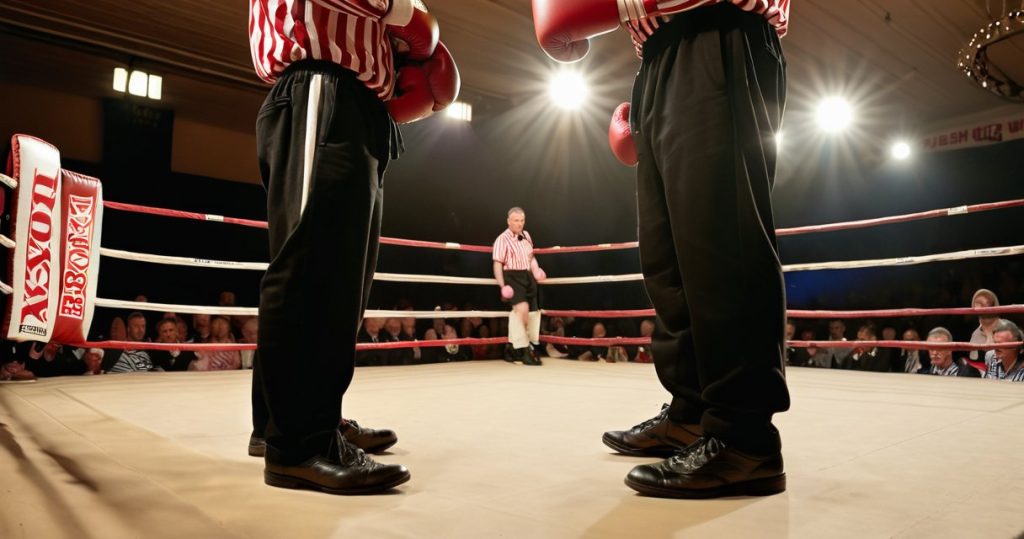
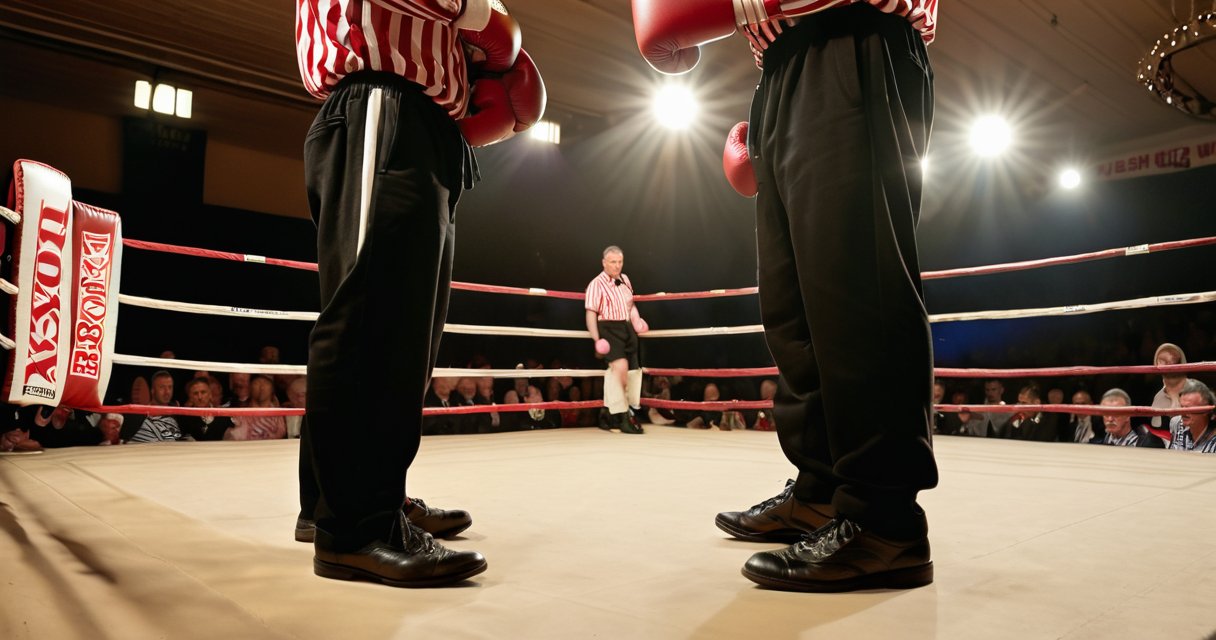
Coaching officials is an integral part of the Wales boxing support framework, providing structured training sessions that focus not only on rule comprehension but also on decision-making under pressure. These coaching initiatives are designed to build confidence and consistency, enabling officials to handle bouts with professionalism and authority. Through continuous development, officials enhance their capabilities and readiness for higher-level assignments.
The officiating development programme within Wales boxing places great emphasis on both mentorship and coaching, recognising that these elements work hand in hand to improve standards. By fostering a supportive environment, officials feel empowered to seek advice, participate in workshops, and engage in ongoing learning opportunities. This holistic approach ensures sustained growth and career progression within the sport’s officiating ranks.
Ultimately, the commitment to mentorship and coaching in Wales creates a robust pathway for officials aiming to excel. With comprehensive backing from experienced mentors and quality coaching, officials are well-equipped to contribute to the sport’s integrity and uphold the high standards synonymous with Welsh boxing.
Challenges and Opportunities for Boxing Officials in Wales
Boxing officiating challenges in Wales are multifaceted, impacting the recruitment, development, and retention of officials across all levels. One of the primary obstacles is maintaining a steady pool of qualified referees and judges, especially as the sport evolves and competition increases. Many officials face difficulties balancing their commitment with personal and professional responsibilities, which often leads to attrition and hampers the continuity needed to foster expertise within the community.
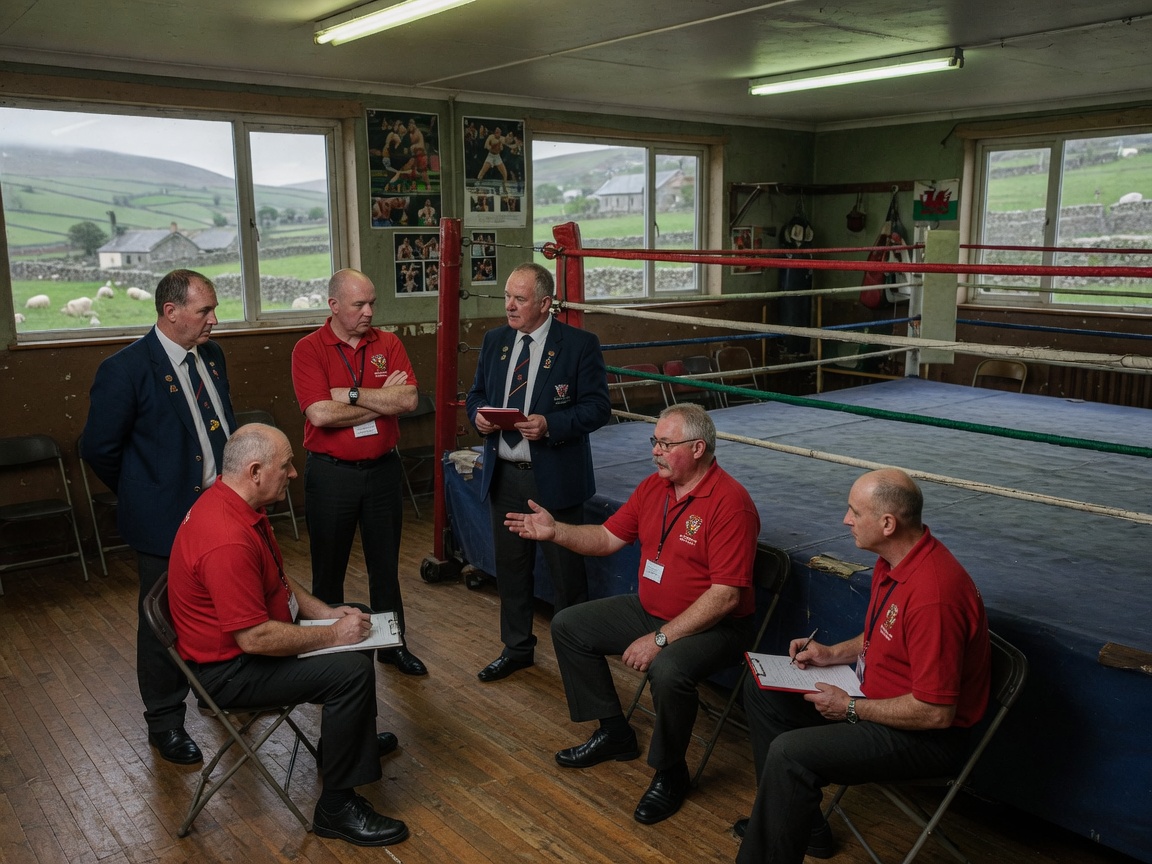
Another significant challenge lies in ensuring consistent and high-quality training opportunities. While there are established development pathways, geographical and financial constraints can limit access, particularly for those in rural areas of Wales. Without regular training and feedback, officials may find it hard to keep up with changes in rules or to refine their skills, which could affect their confidence and the overall standard of officiating.
Despite these challenges, there are numerous Wales boxing opportunities that can help grow and sustain the officiating workforce. The Welsh Amateur Boxing Association actively promotes development programmes designed to enhance the skills of both new and experienced officials. These initiatives provide not only technical training but also mentorship schemes, which are valuable in building a supportive network and encouraging official retention.
Moreover, the increased visibility of boxing in Wales, fueled by local tournaments and national championships, offers officials greater chances to gain practical experience and recognition. Integrating technology and digital platforms for learning and communication has also expanded accessibility to development resources, making it easier for officials to engage in continuous professional development regardless of location.
Looking ahead, addressing the challenges faced by boxing officials requires a coordinated effort from governing bodies, clubs, and communities to provide sustainable support structures. By fostering inclusive and accessible pathways, Wales can capitalise on its opportunities to nurture confident, competent officials who are equipped to deliver fair and consistent officiating. This, in turn, strengthens the sport’s integrity and encourages greater participation at all levels.
Introduction to Officiating Pathways in Wales Boxing
Wales boxing boasts a rich heritage, and at the core of its continued success lies a dedicated community of boxing referees and boxing judges. These officials play an essential role in the sport, ensuring that matches are conducted fairly, safely, and in accordance with the rules. To maintain the highest standards, Wales boxing has established clear and structured officiating pathways designed to guide aspiring referees and judges through their development.
Officiating pathways in Wales boxing provide a well-defined framework for individuals looking to enter the sport as officials, whether starting as referees or judges. This structured approach supports the acquisition of vital skills and knowledge, encompassing the technical aspects of match management, scoring expertise, and understanding the principles of fairness and safety. By following these pathways, officials are better prepared to contribute positively to the ring and maintain the integrity of boxing in Wales.
The importance of such pathways cannot be overstated. Wales boxing relies heavily on a consistent pipeline of trained referees and judges to uphold competitive standards across all levels, from grassroots events to national championships. Without these officiating pathways, there would be inconsistency in decision-making, leading to confusion and diminishing the credibility of the sport.
Moreover, these pathways offer continuous professional development opportunities, enabling officials in Wales boxing to stay updated with rule changes, advancements in officiating techniques, and best practices. This commitment to education ensures that referees and judges maintain the expertise necessary to adapt to the evolving nature of boxing and deliver impartial, accurate judgements within the ring.
In summary, officiating pathways form the backbone of a robust officiating system in Wales boxing. They not only support the personal growth of referees and judges but also safeguard the sport’s fairness and competitive spirit, fostering a thriving boxing culture that honours its traditions while embracing progress.
Entry Requirements for Aspiring Boxing Officials
For those interested in becoming boxing officials in Wales, understanding the entry requirements is essential. Wales boxing officiating demands a clear set of qualifications, age limits, and skills to ensure that referees and judges uphold the highest standards of fairness and safety in the sport. Starting this pathway involves meeting basic criteria that demonstrate both readiness and commitment to the role.
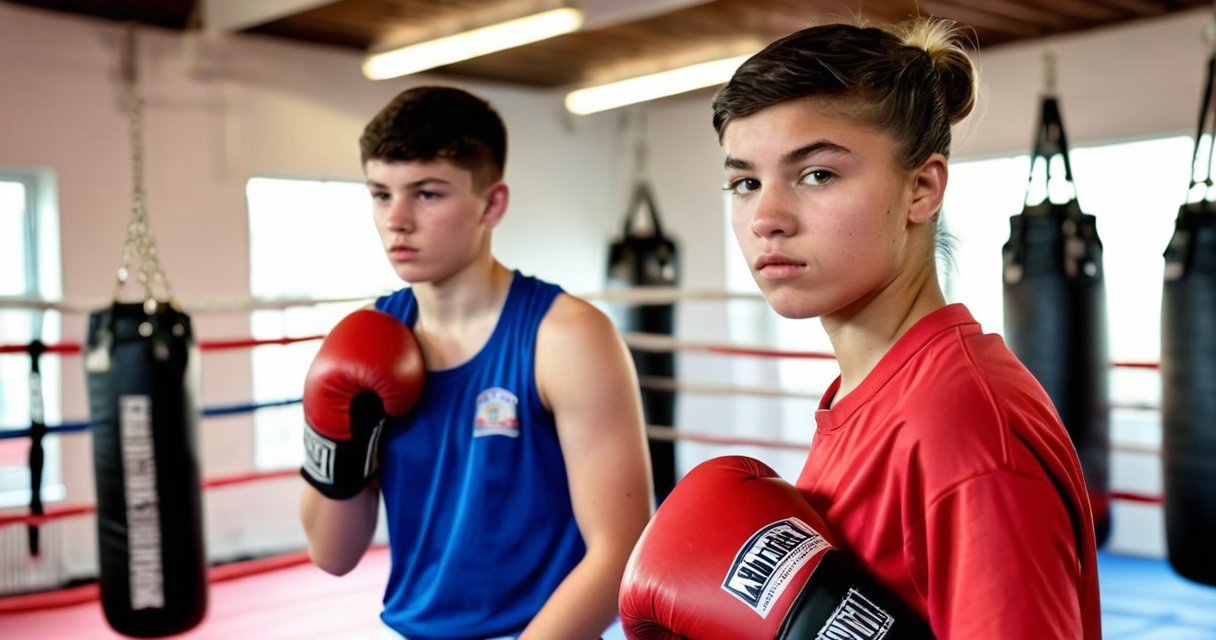
Firstly, aspiring boxing officials must meet specific age requirements. Typically, candidates should be at least 16 years old to begin training and attending courses related to referee qualifications. This age limit ensures they possess the maturity and understanding needed to make split-second decisions in the ring. For full accreditation, some roles may require officials to be 18 or older, depending on the governing body within Wales boxing officiating.
In terms of qualifications, prospective boxing officials are usually required to complete recognised training programmes accredited by Welsh boxing authorities. These courses cover the fundamental rules of the sport, officiating techniques, and safety protocols. Achieving a formal referee qualification is a critical milestone, as it certifies that an individual has the necessary knowledge and practical skills to officiate matches confidently and competently.
Alongside formal qualifications, aspiring officials should demonstrate key personal attributes. Good eyesight, physical fitness, and the ability to stay calm under pressure are vital skills for referees and judges alike. Effective communication skills are also essential, as officials must interact clearly with boxers, coaches, and other officials during bouts. Wales boxing officiating emphasises integrity, fairness, and consistency, which form the ethical foundation for anyone entering the profession.
Many newcomers to boxing officials begin their journey by volunteering at local clubs or assisting experienced officials to gain practical exposure. This hands-on experience complements formal training and helps build confidence. Additionally, regular updates and continued education form part of the ongoing requirements to maintain referee qualifications and stay current with rule changes and best practices within Wales boxing officiating.
Training Courses and Certification
Wales boxing offers a comprehensive range of boxing officiating training programmes designed to equip referees and judges with the essential skills and knowledge required for the sport. These training courses are structured to cater for officials at various stages of their careers, from beginners seeking foundational instruction to experienced officials pursuing advanced certification.
The certification courses in Wales boxing follow a clear pathway, beginning with introductory referee and judge training courses that cover the basics of officiating, rules, and ring procedures. Upon successful completion, officials can progress through more specialised and advanced courses that delve deeper into complex regulations and practical decision-making scenarios. This staged approach ensures officials meet the high standards expected at local, regional, and national competitions.
Ongoing Wales boxing education is also emphasised through regular refresher courses and seminars, which help officials stay updated with the latest rule changes and best practices in the sport. These continuous learning opportunities are essential for maintaining certification status and enhancing refereeing and judging expertise over time.
By committing to these training courses and certification processes, aspiring and current officials in Wales boxing can develop the proficiency and confidence necessary to uphold the integrity of the sport. The dedicated support network and educational resources contribute to fostering a highly skilled officiating community across Wales.
Progression Pathways for Boxing Officials in Wales
Embarking on a career in officiating within Wales boxing offers a structured progression pathway designed to develop both skills and knowledge at every stage. The officiating progression begins with beginner officials who undertake fundamental training courses to understand the basics of refereeing and judging in the ring. This initial phase is crucial for establishing a solid foundation in the rules and regulations that govern amateur boxing in Wales.
Once the basic certification is achieved, officials can gain practical experience by assisting in local and regional bouts. This hands-on involvement is vital for understanding the nuances of match management and decision making under pressure. As officials accumulate experience, they enter the next stage of the boxing referee pathway, which involves advanced training sessions and assessments to elevate their technical proficiency.
Promotion within the officiating ranks is closely linked to performance, commitment, and continuous education. Officials who demonstrate a high level of competence and professionalism may be recommended for official promotion to more prestigious roles, such as supervising referees or scoring judges at higher-profile events. This advancement not only reflects personal development but is essential to maintaining the integrity and quality of Wales boxing careers.
For those aiming to reach the senior levels, the pathway includes specialised workshops focusing on the latest officiating standards and protocols. Senior referees and judges within Wales boxing often take on mentoring responsibilities, guiding new officials through their early stages and helping them navigate the complexities of the sport. This leadership role is key to sustaining a robust official development framework throughout Wales.
Overall, the officiating progression in Wales boxing is a clear and rewarding journey. From beginners learning the ropes to senior referees and judges overseeing national competitions, each step is carefully designed to promote excellence and professionalism. Commitment to ongoing training and experience ensures that officials contribute meaningfully to the future success of Wales boxing careers, upholding the standards that make the sport both fair and thrilling.
Mentorship and Coaching Support
Mentorship in boxing plays a pivotal role in nurturing the next generation of officials across Wales. By pairing experienced referees and judges with emerging talents, the officiating community ensures that knowledge and best practices are passed down effectively. This guidance is invaluable for those learning the nuances of the sport, offering personalised feedback and real-world insights that accelerate skill development.

Growing up in the valleys, the atmosphere of a local fight night has always felt like home to me. I spend my weekends travelling the length and breadth of Wales to catch amateur and professional bouts, documenting the grit and glory of our fighters.