The Night Joe Calzaghe Became Super-Middleweight King in Cardiff
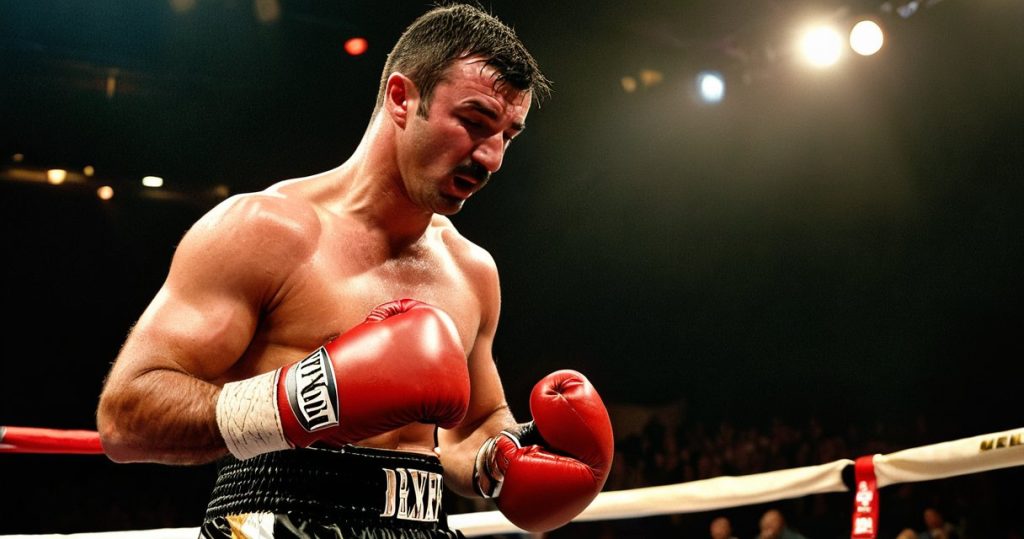
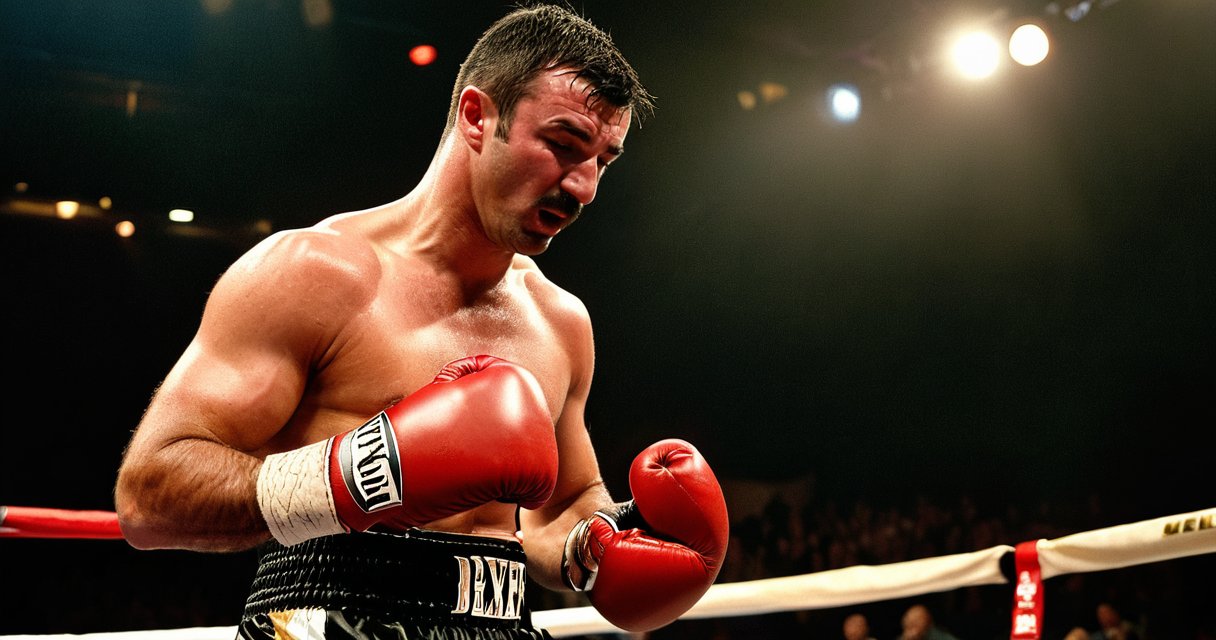
On 11 October 1997 the National Ice Rink in Cardiff was packed to its corrugated-metal rafters. A 25-year-old southpaw from Newbridge named Joe Calzaghe stepped through the ropes to face Chris Eubank for the WBO super-middleweight title. The fight was billed as “The Pride of Britain” and the entire country seemed to have tuned in. Calzaghe, then 22-0, had spent the previous two years knocking out journeymen in small Welsh halls; Eubank, 45-2-2, was a two-weight world champion who had not lost in five years. The first three rounds were a masterclass in footwork and timing. Calzaghe circled left, feinted, then cracked a straight left that snapped Eubank’s head back. By the sixth round the crowd was roaring every time the Welshman landed. In the ninth, a right uppercut sent Eubank stumbling into the ropes. The referee waved it off at 2 minutes 47 seconds, handing Calzaghe the first world title of his career and making him the first Welshman to win a major belt at super-middleweight.
The victory was more than a personal milestone. It marked the moment Welsh boxing re-entered the global conversation. Calzaghe’s promoter, Frank Warren, had secured the fight on terrestrial television, ensuring that every living room in Wales could witness the coronation. The win also set the template for Calzaghe’s next decade: undefeated, untouched, and unapologetically Welsh. He would defend the belt 21 times, a record that still stands, and every defence was a homecoming. The Ice Rink became a fortress; later, the Millennium Stadium would host his biggest nights. But it all began with that crisp October evening when a young man from the valleys out-thought and out-fought one of Britain’s most iconic champions.
Jim Driscoll’s Featherweight Legacy and the Fight That Never Was
Newport’s Jim Driscoll, known as “Peerless Jim,” was the first Welsh boxer to challenge for a world title. On 27 February 1910 he faced Abe Attell at the National Sporting Club in London for the featherweight crown. Driscoll, then 47-2-6, was a stylist who relied on precision rather than power. The fight went the full 20 rounds, with Driscoll landing the cleaner shots. The referee, however, ruled it a no-decision because the title could only change hands by knockout under the rules of the day. Attell kept the belt, and Driscoll returned to Wales without the championship he deserved. The decision sparked outrage in the Welsh press, which dubbed it “the robbery of the century.”
Driscoll’s career never recovered. He fought twice more, winning both, but retired in 1913 at only 30. The Attell fight became a cautionary tale about the vagaries of early boxing politics. Yet Driscoll’s influence endured. His technical brilliance inspired generations of Welsh featherweights, including Howard Winstone and Robbie Regan. The Welsh Amateur Boxing Association later named its annual award the “Jim Driscoll Trophy,” ensuring that his name remains synonymous with skill and sportsmanship. Though he never wore a world title, Driscoll’s legacy is woven into the fabric of Welsh boxing, a reminder that greatness is measured in more than just gold.
Howard Winstone’s 1968 Triumph Over José Legrá in Porthcawl
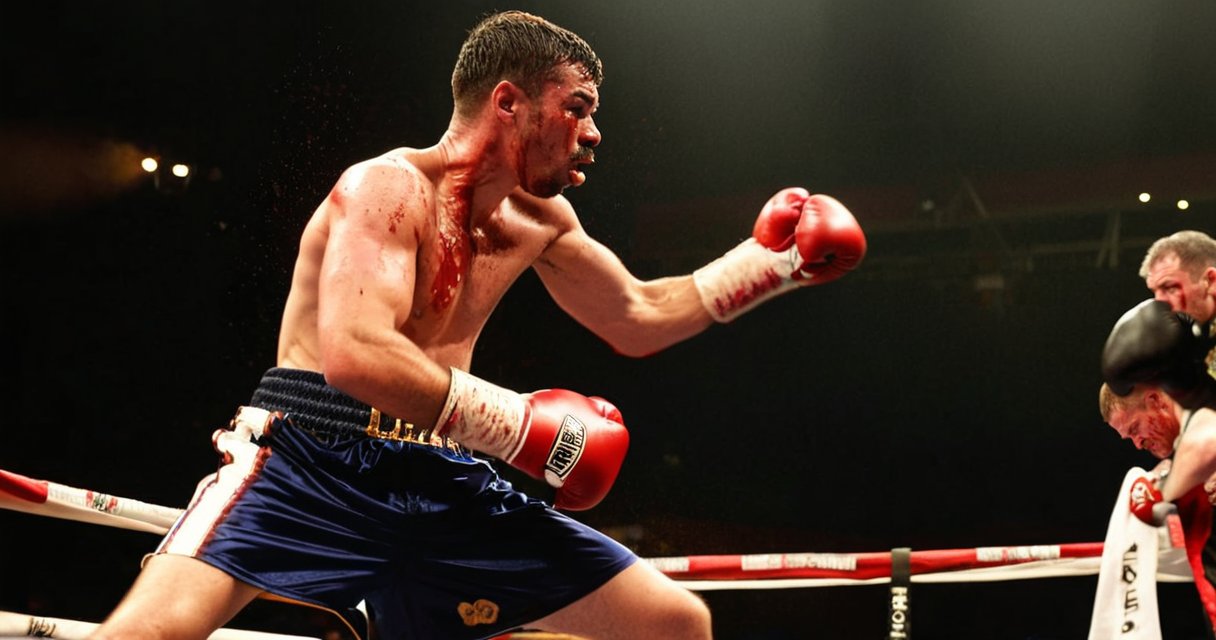
On 24 July 1968 Howard Winstone finally captured the WBC featherweight title in front of 10,000 fans at Porthcawl’s outdoor arena. The Merthyr Tydfil native, then 52-5, had twice fallen short against Vicente Saldivar. This time his opponent was José Legrá, the Cuban-born Spaniard who had dethroned Saldivar months earlier. Winstone, missing the tips of three fingers on his right hand from a factory accident, fought with relentless pressure. He cut Legrá over the left eye in the second round and spent the next ten rounds targeting the wound. By the twelfth, Legrá’s face was a mask of blood. The referee stopped the fight at 2 minutes 35 seconds, handing Winstone the title he had chased for eight years.
The victory brought emotional relief under the strict Welsh boxing regulations. Winstone had been a national hero since his amateur days, when he won a bronze medal at the 1958 Commonwealth Games. His professional career had been defined by near-misses: split decisions, narrow losses, and the cruel twist of fate that robbed him of his fingers. The Porthcawl fight was his redemption. The town erupted; fans stormed the ring, and Winstone was carried shoulder-high through the streets. Though he lost the belt in his first defence against Johnny Famechon, the 1968 victory remains a touchstone. It proved that persistence, not just talent, could rewrite a Welsh boxer’s destiny.
Robbie Regan’s Bantamweight Title Win in Cardiff’s Sophia Gardens
On 10 June 1995 Robbie Regan became the first Welsh bantamweight world champion when he out-pointed Junior Jones over twelve rounds at Sophia Gardens in Cardiff. Regan, a 5ft 4in southpaw from Cwmbran, had spent years grinding through the domestic scene. His record stood at 19-1 when he faced Jones, the undefeated WBO champion. The fight was a tactical chess match. Regan used his jab to keep Jones at bay, then fired rapid left-hand combinations whenever the American tried to close the distance. The judges scored it 116-112, 115-113, and 115-114 in Regan’s favour, making him the first Welshman to win a world title at bantamweight.
The victory was a watershed for Welsh boxing’s lighter divisions. Regan’s promoter, Frank Maloney, had secured the fight on Sky Sports, giving the sport a rare moment in the spotlight. The win also marked the beginning of a brief golden era for Welsh bantamweights. Regan defended the belt once, stopping Alfred Kotey in six rounds, before losing it to Daniel Jiménez in 1996. Though his reign was short, Regan’s achievement opened doors for future Welsh fighters at 118 pounds. His technical mastery and relentless work rate became a blueprint for the next generation, including Lee Selby and Gavin Gwynne.
Enzo Maccarinelli’s 2006 Cruiserweight Upset in Swansea
On 8 July 2006 Enzo Maccarinelli knocked out Mark Hobson in the first round to win the WBO cruiserweight title at the Swansea Leisure Centre. Maccarinelli, a 25-year-old from Swansea, had been written off by many after a lacklustre start to his career. His record stood at 21-1 when he faced Hobson, the reigning champion. The fight lasted just 1 minute 18 seconds. Maccarinelli landed a left hook that sent Hobson crashing to the canvas. The referee didn’t even bother with a count; the belt was Maccarinelli’s.
The victory was a turning point for Welsh cruiserweight boxing. Maccarinelli’s power had always been evident, but his discipline had been questioned. The Hobson fight silenced the doubters. He defended the title four times, including a brutal knockout of Wayne Braithwaite in 2007. Though he lost the belt to David Haye later that year, Maccarinelli’s reign proved that Welsh fighters could compete at the highest level in the heavier divisions. His aggressive style and knockout power made him a fan favourite, and his fights drew large crowds to Swansea’s venues. The 2006 victory remains one of the most dramatic title wins in Welsh boxing history, a reminder that one punch can change everything.
Lee Selby’s 2015 Featherweight Title Win in California
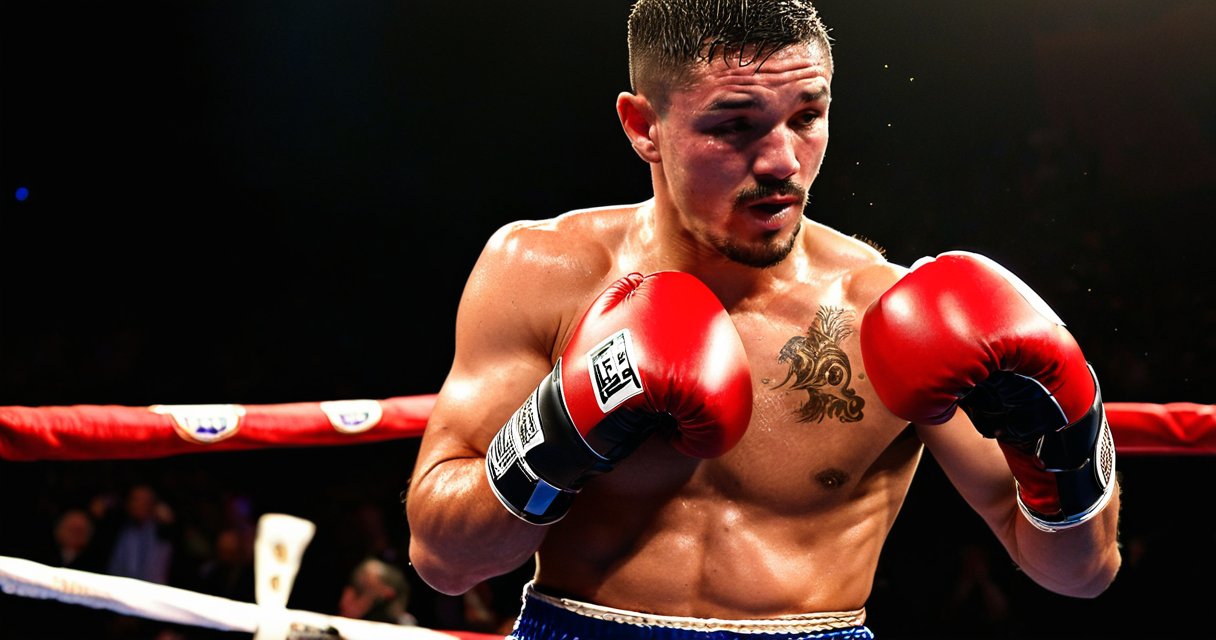
On 30 May 2015 Lee Selby travelled to Carson, California, to face Evgeny Gradovich for the IBF featherweight title. Selby, a 27-year-old from Barry, had built a 20-1 record with a style that blended speed and precision. Gradovich, the undefeated champion, was a rugged pressure fighter. The fight was a war. Selby used his jab to control the distance, then fired sharp combinations whenever Gradovich tried to close the gap. The judges scored it 115-113, 115-113, and 114-114, handing Selby a majority decision and the IBF belt.
The victory was a landmark for Welsh boxing. Selby became the first Welshman to win a world title on American soil since Jim Driscoll in 1910. His promoter, Frank Warren, had secured the fight on BoxNation, ensuring that Welsh fans could watch the historic moment live. Selby defended the belt five times, including a dominant win over Fernando Montiel in 2016. Though he lost the title to Gary Russell Jr. in 2018, Selby’s reign proved that Welsh fighters could thrive on the global stage. His technical skill and ring intelligence made him a role model for aspiring Welsh boxers, and his 2015 victory remains a high-water mark for the sport in Wales.
Lauren Price’s 2023 Middleweight Title Win in Cardiff
On 10 June 2023 Lauren Price made history when she stopped Kirstie Bavington in the sixth round to win the vacant IBO middleweight title at Cardiff’s International Arena. Price, a 29-year-old from Newport, had transitioned from amateur stardom, she won gold at the 2019 World Championships, to the professional ranks. Her record stood at 5-0 when she faced Bavington, a durable journeyman. The fight was a showcase of Price’s power. She dropped Bavington twice in the third round and twice more in the sixth before the referee stopped the contest.
The victory was a breakthrough for Welsh women’s boxing. Price became the first Welshwoman to win a professional world title, a milestone that had been decades in the making. Her promoter, Ben Shalom, had secured the fight on the undercard of a major event, ensuring that her achievement received widespread attention. Price’s win also highlighted the growing strength of Welsh boxing’s female contingent. Fighters like Tasha Jonas and Chloe Watson have since followed in her footsteps, proving that Wales is a force in women’s boxing. Price’s 2023 victory was more than a personal triumph; it was a statement that Welsh boxing’s future is bright, and its champions come in all shapes and sizes.

Growing up in the valleys, the atmosphere of a local fight night has always felt like home to me. I spend my weekends travelling the length and breadth of Wales to catch amateur and professional bouts, documenting the grit and glory of our fighters.