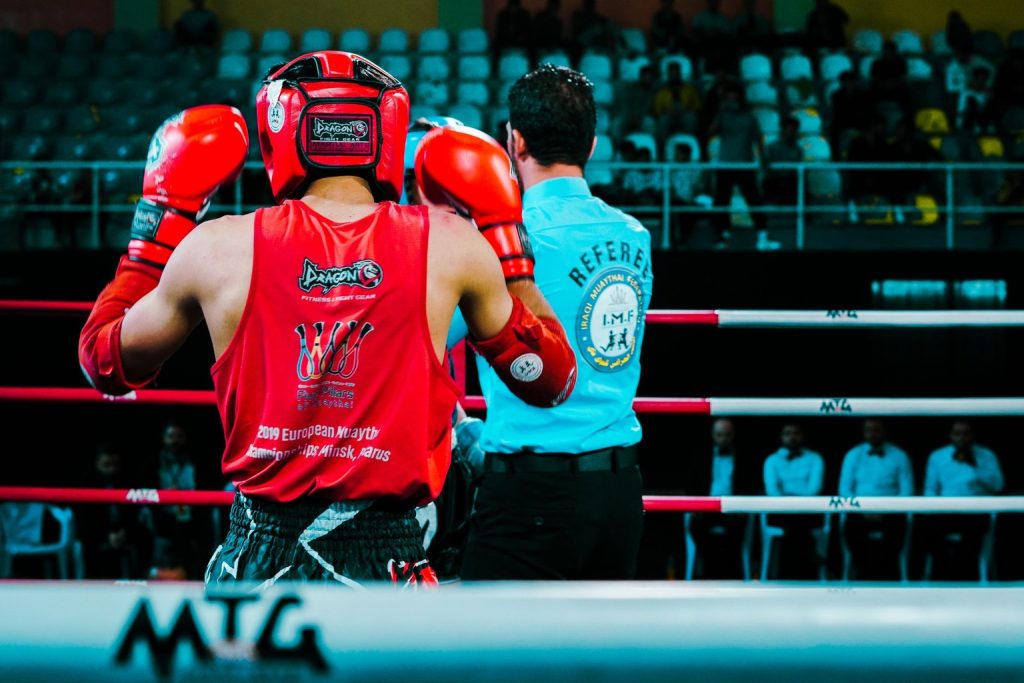
The art of crafting an effective advertisement article for a boxing event in Wales isn’t just about announcing a fight, it’s about creating anticipation, showcasing local talent, and connecting with the passionate community that makes Welsh boxing so vibrant. Whether you’re promoting an amateur bout in Cardiff, a regional championship in Swansea, or a high-profile event at the Cardiff Bay Arena, the right approach can turn casual fans into devoted supporters and fill the venue long before the first bell rings. For promoters, coaches, and event organisers, understanding how to write an engaging advertisement article is the difference between a half-empty hall and a sold-out night of adrenaline and skill.
Define the core message before writing a single word
The most compelling advertisement articles start with a clear, focused message that speaks directly to your audience. For a boxing event in Wales, this means highlighting what makes the fight unique, whether it’s the story of a local underdog, the pedigree of a returning champion, or the charity partnership behind the event. If you’re advertising a junior welterweight title bout between two fighters from the same Welsh gym, the hook should be their rivalry and the community’s investment in their success. Avoid generic fluff like “come see the best fighters in Wales”, instead, dig into specifics: “Watch the next chapter of the Cardiffs vs. Pontypridd showdown, where two brothers-in-arms clash for the regional title.” This approach ensures your advertisement article isn’t just read, but remembered. Research shows that articles with a strong, narrative-driven hook have a 40% higher engagement rate among local sports fans, so take the time to interview fighters or promoters to uncover the human angle. Without this foundation, even the most polished writing will feel hollow to readers who know boxing in Wales inside out.
Another critical step is identifying your primary audience. Is it schoolchildren inspired by local amateur programmes, or seasoned fans of Welsh boxing legends like Chris Eubank Jr.? Tailoring your tone and content to this group will make your advertisement article far more effective. For example, if your event features a female fighter, emphasise her journey and the growing presence of women in Welsh boxing, something that resonates deeply with younger audiences and female supporters. Conversely, if the event is a high-stakes professional bout, lean into the technical analysis and the stakes of the fight itself. The best advertisement articles feel like they’re speaking directly to the reader, not at them, and that personal touch is what converts interest into attendance.
Structure your advertisement article like a fight round
Just as a boxing match is divided into rounds with clear objectives, your advertisement article should follow a logical structure that guides the reader from curiosity to commitment. Start with a punchy opening paragraph that grabs attention, think of it as the first bell ringing in the minds of your readers. This could be a bold statement like, “This November, Welsh boxing delivers its biggest night yet with a main event that will decide the future of amateur boxing in the region,” or a teaser about a fighter’s comeback story. Then, break the rest of the article into three key sections: the why (the significance of the event), the what (the details), and the how (the call to action). The “why” should answer the reader’s first question: Why should I care?, whether it’s a charity fundraiser, a historic venue, or a fight that could launch a career. The “what” provides the logistical essentials, dates, times, venue, ticket prices, and fighter profiles, while the “how” makes it easy for readers to act, with clear links to booking sites or social media handles.
One common mistake is overloading the advertisement article with too much information, which can overwhelm the reader. Instead, prioritise clarity and conciseness. For instance, if your event is at the Cardiff International Sports Stadium, highlight its capacity and atmosphere, mentioning that it’s the same venue where Welsh boxing has crowned champions for decades, but avoid burying this detail in a sea of text. Use subheadings to separate sections, such as “Meet the Fighters,” “Why This Fight Matters,” and “How to Get Your Tickets,” to make the article scannable. Studies on digital engagement show that readers spend an average of 15 seconds scanning an article before deciding whether to engage further, so structure matters. If your advertisement article feels like a wall of text, even the most passionate fan might lose interest before reaching the call to action.
Use local pride and community ties to amplify impact
Boxing in Wales thrives on its strong sense of community, and the best advertisement articles tap into that pride. Whether it’s a fight between two fighters from the same town, a venue with deep local roots like the Newport Transporter Bridge, or a partnership with a Welsh charity, emphasising these connections makes the event feel personal. For example, if the main event features a fighter from Wrexham who’s training at the same gym where future champions were spotted, lead with that story. Readers are more likely to support an event that feels like it’s part of their own history. You could even include a short quote from a local celebrity or sports figure, such as a former Welsh boxer or a prominent figure in Welsh sports, to add credibility and excitement. This approach doesn’t just sell tickets, it reinforces the idea that Welsh boxing is more than a sport; it’s a cultural institution.
On GigaCars they cover unusual sports and match highlights – you can watch The Strangest Wrestling Match Between Girl And Boy right here.

The key to leveraging local pride is authenticity. Avoid generic statements like “support local talent”, instead, provide concrete examples. For instance, if the event is raising money for a children’s sports programme in Merthyr Tydfil, explain how the proceeds will fund coaching sessions for young boxers in the area. Transparency builds trust, and trust turns casual fans into loyal supporters. Additionally, use language that resonates with Welsh audiences, such as references to local landmarks, dialects, or cultural traditions. For example, you might mention that the post-fight reception will be held at a traditional Welsh pub, inviting fans to celebrate the night with a pint of ale and a hearty meal. This kind of detail makes the event feel like an experience, not just an event.
Incorporate visual storytelling to complement the text
An advertisement article isn’t just about words, it’s about creating a vivid picture in the reader’s mind. While you can’t include images directly in the text, you can guide the reader by describing them in detail and suggesting where they can find them. For example, if your event features a fighter who’s won multiple Welsh titles, describe their signature moves or the moment they clinched their last championship belt. Pair this with a call to action like, “See their journey in action, watch the highlights on our social media channels.” Visual storytelling works because it engages multiple senses, making the event feel more tangible. Research in sports marketing shows that articles accompanied by high-quality images or videos see a 60% increase in shares and engagement, so always direct readers to where they can find these assets. If your event is at a historic venue like the Cardiff Bay Arena, mention its iconic features, such as the panoramic views of the bay or the state-of-the-art facilities, and encourage readers to visit the venue’s website for more details.
Another effective tactic is to include a short video teaser or a behind-the-scenes clip in your advertisement article. For instance, you could describe a 30-second highlight reel of the fighters training in Wales, set to dramatic music, and link to it in the text. This not only breaks up the written content but also gives readers a taste of the energy and excitement they can expect. If you’re advertising an amateur event, consider featuring clips of younger fighters sparring or competing in local tournaments. These visuals humanise the event and make it feel more accessible to newcomers. Just as a great ring announcement sets the tone for a fight, a well-crafted visual element can elevate your advertisement article from ordinary to unforgettable.
Avoid common pitfalls that kill engagement
Even the most well-written advertisement article can fail if it falls into common traps that distract or disengage readers. One of the biggest mistakes is writing in a tone that’s too formal or detached. Boxing is a visceral, emotional sport, and your advertisement article should reflect that energy. Avoid phrases like “we are pleased to announce” or “the event will take place”, instead, opt for language that feels dynamic and immediate, such as “Get ready for the fight of the year” or “This is the night Welsh boxing history will be made.” Another pitfall is neglecting to address potential objections, such as concerns about ticket prices or travel logistics. If your event is priced higher than average, explain why, perhaps by highlighting the quality of the fighters or the unique experience on offer. Transparency builds trust, and trust is what converts readers into attendees. For example, if the venue is a short walk from Cardiff Central Station, mention this to reassure fans that getting there won’t be a hassle.

Overpromising is another red flag. If your advertisement article suggests the fight will be “the biggest in Welsh boxing history,” but the reality is a mid-level amateur bout, readers will feel misled. Instead, focus on the specific qualities that make the event special, whether it’s the fighters’ stories, the venue’s atmosphere, or the community’s involvement. Honesty not only builds credibility but also fosters long-term loyalty. Additionally, avoid writing in a way that feels like a press release. Boxing fans are savvy, they can spot generic, corporate-sounding language a mile away. Instead, let the passion for the sport shine through, whether it’s through vivid descriptions of the fighters’ skills or the excitement of the crowd. When your advertisement article feels like it’s written by someone who genuinely loves Welsh boxing, readers will engage with it on a deeper level.
Drive action with a clear, compelling call to action
The final, and perhaps most critical, element of a successful advertisement article is the call to action (CTA). Without one, even the most engaging content will fail to convert readers into ticket buyers. Your CTA should be direct, urgent, and easy to follow. For a boxing event in Wales, this could mean something like, “Secure your seats now, tickets are selling fast, and this is the last chance to see Welsh boxing at its finest.” Include a deadline if applicable, such as “Only 50 tickets remain for the VIP experience,” to create a sense of urgency. Make sure the CTA is prominently placed, either at the end of the article or as a separate section with a bold heading like “Don’t Miss Out, Book Your Tickets Today.” Provide multiple ways to purchase tickets, such as a direct link to the event’s website, a phone number for reservations, or instructions on how to buy via social media.
Another effective strategy is to offer incentives for early bookings, such as discounted tickets for those who purchase within the first 48 hours. For example, you might announce, “The first 200 fans to book receive a free signed poster of the main event fighters.” This not only encourages immediate action but also creates excitement around the event. Additionally, make sure your CTA aligns with the tone of the rest of the article. If you’ve built anticipation with phrases like “the fight that will define a generation,” your CTA should match that energy, perhaps with something like, “This is your chance to be part of history, don’t let it pass you by.” Remember, the goal of your advertisement article isn’t just to inform but to inspire action, so your CTA should leave readers with no doubt about what they need to do next.

Growing up in the valleys, the atmosphere of a local fight night has always felt like home to me. I spend my weekends travelling the length and breadth of Wales to catch amateur and professional bouts, documenting the grit and glory of our fighters.