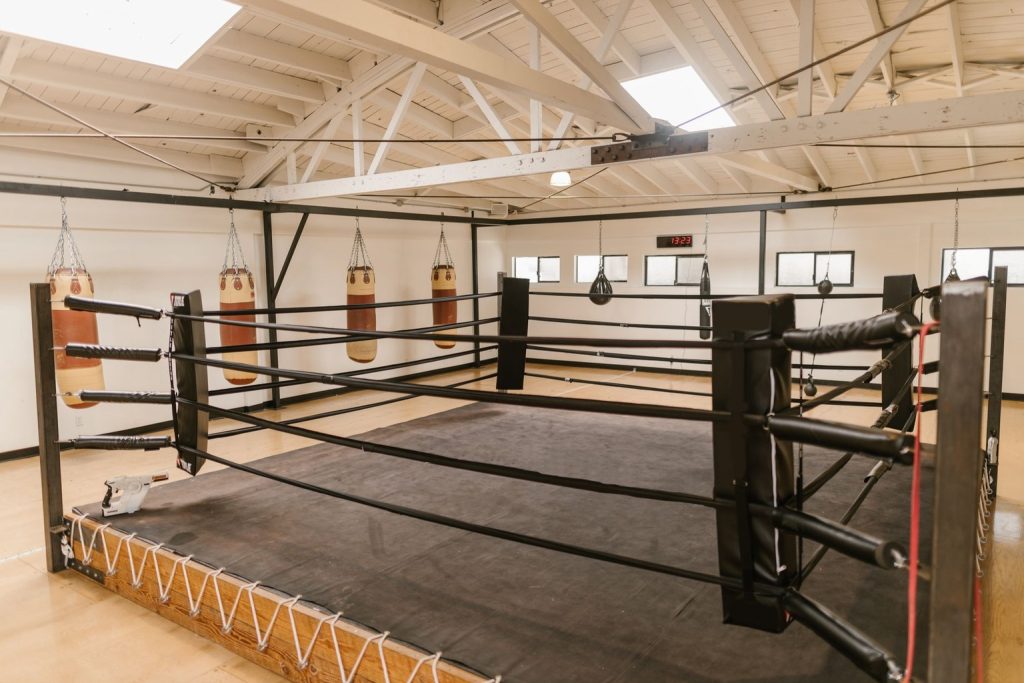

Welsh boxing clubs prioritize adherence to strict Safety standards to ensure a secure environment for training, blending physical exercise with community support for young participants. These venues do more than provide heavy bags and speed ropes; they function as safe spaces in communities that might otherwise lack affordable recreational options for teenagers. By integrating coaching with mentorship, these gyms address behavioural issues, boost confidence, and build lasting friendships among members who share a common passion for the sweet science. The operational model relies heavily on volunteer networks and local partnerships, ensuring that even clubs in rural valleys or urban estates can maintain consistent training schedules. Understanding how this ecosystem works requires looking at the specific logistical, financial, and social mechanisms that keep these grassroots organisations alive and effective for their members.
Establishing a Safe and Inclusive Training Environment
The foundation of any successful youth programme is a training space that feels secure and welcoming from the moment a young person walks through the door. Coaches must establish clear behavioural codes that prioritise respect over aggression, ensuring that sparring partners treat each other as teammates rather than opponents. This involves setting up designated areas for bag work to prevent accidental contact, while also creating a quiet corner where younger members can rest and reflect on their training sessions. The physical layout matters too; bright lighting, clean floors, and visible safety equipment like first aid kits signal that the club takes care of its people. When a teenager sees that their environment is maintained with pride, they are more likely to respect the space and the people within it, reducing incidents of vandalism or disruptive behaviour.
Inclusivity extends beyond gender to include young people from diverse socioeconomic backgrounds, ensuring that no one feels out of place due to their clothing or equipment. Many clubs provide free starter kits, including hand wraps, gloves, and basic apparel, to remove financial barriers that might prevent a child from joining for the first time. This approach is particularly important in areas where disposable income is low, as it signals that talent and effort are valued more than wealth. Coaches should also be trained to spot signs of bullying or exclusion, intervening early to foster a culture where every member feels seen and supported. A truly inclusive environment allows shy teenagers to find their voice through the ring, building self-esteem that translates into better performance in school and other social settings.
Safety protocols must go beyond basic first aid to include comprehensive risk assessments for every activity, from heavy bag work to full-contact sparring. This means having a clear plan for heat exhaustion, dehydration, and minor injuries, with all staff trained in CPR and basic medical response. Regular equipment checks are essential to ensure that ropes, pads, and corner posts do not pose unexpected hazards during training. By formalising these safety measures, the club demonstrates professionalism to parents, who are often the gatekeepers for their children’s participation in sports. Trust is built when guardians see that their child is supervised by qualified professionals who take preventative action seriously, rather than waiting for accidents to happen before reacting.
Recruiting Local Youth Through School Partnerships
Direct outreach to local secondary schools and colleges is the most effective way to identify young people who might benefit from boxing training but do not know where to start. Coaches should offer free taster sessions that are designed to be low-pressure, focusing on fun drills rather than intense physical exertion in the first hour. These sessions allow potential members to experience the camaraderie and structure of the club without committing to a long-term membership. It is crucial to communicate with school welfare teams to identify students who may be struggling with attendance or behavioural issues, offering boxing as a positive alternative activity. This targeted approach ensures that the club reaches those who need it most, rather than just attracting young people who are already active in other sports.
Partnerships with youth centres and community organisations open additional channels for recruitment, reaching teenagers who may not engage with formal school settings. These venues often have established trust with local families, making them ideal partners for promoting boxing as a constructive outlet for energy. Coaches can hold joint events where boxing drills are combined with other physical activities, creating a multi-sport atmosphere that appeals to a broader audience. By embedding the club within the existing community infrastructure, you reduce the friction of joining a new activity and make it feel like a natural extension of the teenager’s social life. This integration helps normalise boxing as a standard part of local youth provision, rather than an exclusive or intimidating pursuit.
Digital marketing plays a supporting role in recruitment, but it must be tailored to the platforms where young people actually spend their time. Short-form video content showing the fun and supportive aspects of training can be more effective than traditional flyers or long-form articles. Parents are often the decision-makers for younger teenagers, so content should also address their concerns about safety, supervision, and value for money. A simple website with clear contact information and a description of the programme helps build credibility, but the real conversion happens through word-of-mouth recommendations from existing members. Encouraging current members to invite friends creates a organic growth loop that is far more reliable than any advertising budget could achieve.
Designing Age-Appropriate Training Progressions
Training programmes must be segmented by age and ability to ensure that every member is challenged appropriately without feeling overwhelmed or bored. Younger teenagers, typically aged 11 to 14, benefit from games-based learning that introduces fundamental footwork and punching techniques in a playful context. This approach keeps engagement high while building the muscle memory needed for more advanced training later on. Coaches should avoid introducing competitive sparring too early, focusing instead on pad work and shadow boxing to develop confidence and timing. As members progress, the curriculum should introduce technical drills that mimic real fight scenarios, preparing them for optional competition without forcing participation.
On the Strike Sports channel, they cover why Krav Maga doesn’t work, and you can watch it right here.

For older teenagers and young adults, the training becomes more specialised, with clear pathways for those interested in amateur competition versus those who prefer recreational boxing. Competitive tracks include structured sparring sessions, weight management advice, and tactical analysis of opponents, mirroring the demands of professional sport. Recreational tracks focus on fitness, stress relief, and social interaction, offering a flexible schedule that accommodates work or study commitments. This dual-path model ensures that the club remains relevant to members at different stages of their athletic journey, preventing drop-off when a young person decides they do not want to compete. It also allows the club to showcase the versatility of boxing as a lifelong practice, not just a short-term hobby.
Progress tracking is essential for maintaining motivation, and clubs should implement simple systems for recording improvements in technique and fitness. This can range from informal verbal feedback after each session to more formal assessments every three months, where coaches review video footage with the member. Seeing tangible evidence of progress is a powerful motivator, especially for teenagers who may doubt their abilities or feel they are not improving fast enough. Coaches should celebrate small victories alongside major achievements, reinforcing the idea that consistent effort leads to results. This focus on personal growth rather than just win-loss records helps build a resilient mindset that serves members well beyond their time at the boxing club.
Managing Volunteer Coaches and Staff Welfare
The backbone of any community boxing club is its volunteer workforce, many of whom are former boxers or local residents with a passion for mentoring young people. These individuals often work for free or for minimal stipends, relying on the intrinsic reward of seeing young people succeed. To sustain this effort, clubs must provide clear role descriptions, fair shift schedules, and opportunities for professional development in coaching and safeguarding. Burnout is a real risk when volunteers feel undervalued or overworked, so regular check-ins and appreciation events are necessary to maintain morale. A well-supported volunteer team delivers higher quality training and creates a more stable environment for members, reducing the turnover of coaches that can disrupt a young person’s progress.
Formal employment contracts are needed for lead coaches who manage day-to-day operations, ensuring continuity and accountability in the programme delivery. These paid roles should come with competitive pay scales and benefits, recognising the expertise and responsibility involved in supervising minors. A mix of paid staff and volunteers creates a balanced structure where core duties are covered by professionals while additional sessions are supported by community members. This hybrid model allows the club to scale up during peak times without compromising on quality or safety standards. It also provides a clear career path for ambitious volunteers who wish to transition into full-time coaching roles within the organisation.
Staff welfare extends to mental health support, as coaches often deal with complex personal issues brought up by their young members. Access to counselling services and peer support groups helps staff process the emotional demands of their work, preventing compassion fatigue. Training in trauma-informed care is particularly important, as many youth members come from challenging backgrounds where boxing offers a sense of stability. By taking care of their own well-being, coaches are better equipped to provide consistent, empathetic support to their charges. This holistic approach to staff management ensures that the club remains a positive force in the community, rather than becoming a source of stress for its employees.
Sustaining Operations Through Creative Funding Streams
Financial viability is the primary threat to community boxing clubs, and relying solely on membership fees is rarely enough to cover rent, insurance, and equipment costs. Diversifying income sources through government grants, local council sports funding, and corporate sponsorship helps build a stable financial base. Clubs should apply for specific grants that support youth engagement and physical activity, tailoring their proposals to highlight the social impact of their programmes. Corporate partnerships with local businesses can provide in-kind donations of equipment or cash sponsorships, creating a mutual benefit where companies gain community goodwill while supporting the sport. This multi-pronged funding approach reduces vulnerability to fluctuations in membership numbers or economic downturns.

Community fundraising events offer an additional revenue stream while strengthening the club’s ties to local residents. Charity boxing nights, fun runs, and sponsorship drives engage the wider community and generate much-needed cash for operational costs. These events also serve as marketing tools, showcasing the club’s activities to potential members and partners who may not have been aware of their existence. Involving parents and local businesses in planning and executing these events builds a sense of shared ownership and responsibility for the club’s success. The funds raised can be ring-fenced for specific purposes, such as upgrading gym equipment or providing free training for disadvantaged youth, ensuring transparency and trust.
Efficient cost management is just as important as revenue generation, and clubs should regularly review their spending to eliminate waste. This includes negotiating better rates on utilities, insurance, and equipment purchases, as well as implementing energy-saving measures in the gym space. Sharing facilities with other community groups can reduce overheads, allowing the club to access a larger venue without bearing the full cost. Digital tools for membership management and communication help streamline administrative tasks, reducing the need for paid staff time. By keeping operational costs lean, the club can reinvest more of its revenue into programme quality and member support, creating a positive cycle of improvement.
Bridging the Gap Between Training and Real Life
The ultimate measure of a boxing club’s success is how well it prepares young people for life outside the gym walls. Mentoring programmes that link boxing discipline to academic achievement and career planning help members see the broader benefits of their training. Coaches can invite local professionals to share their experiences, showing how the skills learned in the ring, such as resilience and focus, apply to the workplace. This connection between sport and life is crucial for teenagers who may lack other role models or guidance in their lives. By framing boxing as a tool for personal development rather than just physical fitness, the club empowers members to take control of their futures.
Alumni networks provide a valuable resource for current members, offering mentorship and career advice from those who have already navigated the transition out of youth training. Successful alumni can share their stories of how boxing helped them overcome challenges, providing relatable examples that inspire current members to stay committed. These networks also help with job placement and further education applications, as former coaches and peers can provide references and support. Maintaining strong ties with alumni ensures that the club remains a lifelong community, not just a temporary phase in a young person’s life. This continuity reinforces the idea that the skills learned in the gym are portable and valuable in all areas of life.
Evaluating the long-term impact of the programme requires collecting data on member outcomes beyond the ring, such as educational attainment and employment rates. Regular surveys and follow-up interviews with members who have left the club help track these indicators and inform future programme development. This evidence-based approach allows the club to demonstrate its value to funders and partners, securing ongoing support for its activities. It also helps identify areas for improvement, ensuring that the programme remains relevant and effective in meeting the needs of its community. By focusing on measurable outcomes, the club can justify its existence and continue to make a positive difference in the lives of young people.

Growing up in the valleys, the atmosphere of a local fight night has always felt like home to me. I spend my weekends travelling the length and breadth of Wales to catch amateur and professional bouts, documenting the grit and glory of our fighters.