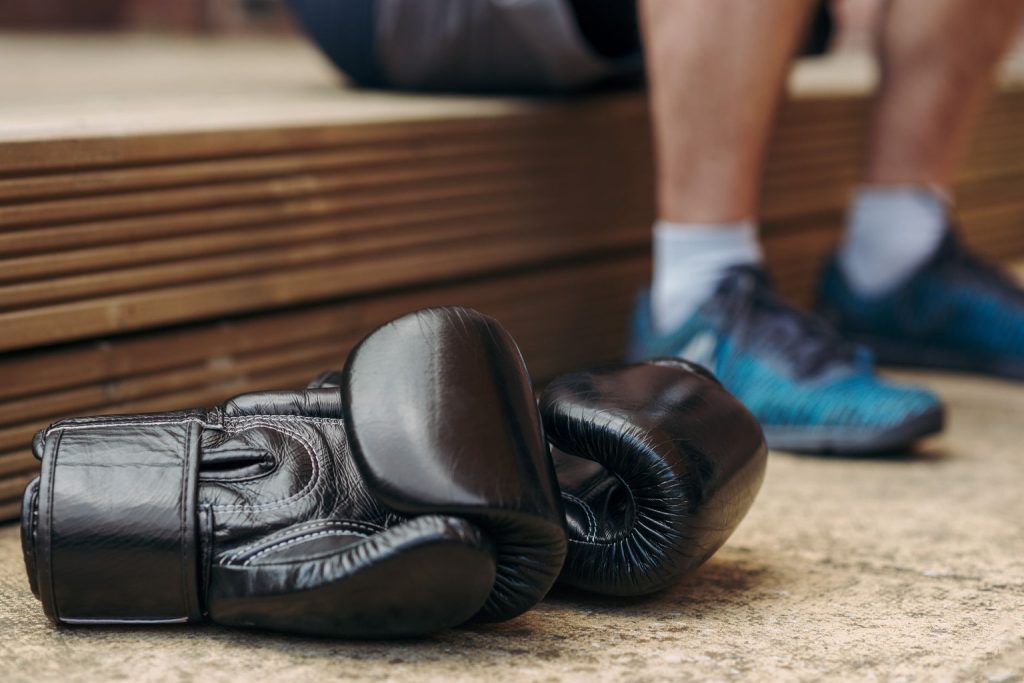
If you’re serious about boxing in Wales, whether you’re training in the rugged gyms of Cardiff or the dedicated clubs of Swansea, investing in the right heavy duty gear isn’t just an option, it’s essential. The best heavy duty equipment will stand up to the relentless pace of Welsh boxing culture, where sessions often blend intense sparring with endurance-focused bag work, all while braving the unpredictable Welsh weather. Without durable gear, you risk injuries, wasted money, and frustration when cheaper alternatives fail under pressure. This guide cuts through the noise to help you build a kit that matches the demands of training in Wales, from the damp basements of local dojos to the high-energy sparring rings of regional championships.
Assess Your Training Demands Before Buying
Before you even consider the best heavy duty gear, you need to be honest about what your training in Wales actually requires. If you’re a weekend warrior hitting the heavy bag at a club in Newport, your needs will differ from those of a competitive boxer preparing for a Welsh Amateur Boxing Association bout. Start by tracking your typical weekly sessions, how many hours are spent sparring, how often you hit the pads, and whether you’re focusing on endurance or skill refinement. For example, if you’re training for a Welsh regional title, you’ll need gear that can handle repeated heavy bag sessions without deforming, while a casual trainer might prioritise comfort over sheer durability. Don’t fall into the trap of buying the most expensive gear upfront; instead, prioritise what will last through the next 12 months of Welsh winter training, when gyms are often damp and equipment is used harder.
The Welsh climate plays a significant role here. If you’re training in a gym without climate control, like many traditional Welsh boxing clubs, moisture can weaken leather gloves and padding over time. Look for materials that resist mould and mildew, such as synthetic leather or treated leather gloves, rather than cheap vinyl alternatives that crack in the damp. Similarly, if you’re sparring frequently, your gloves should have reinforced stitching to prevent the leather from fraying after just a few sessions. Ignoring these factors means your gear will fail at the worst possible moment, like mid-sparring in a Welsh championship qualifier.
Prioritise Gloves That Last Through Welsh Sparring Intensity
boxing gloves are the cornerstone of any serious trainer’s kit, and in Wales, where sparring can be as physical as it is technical, you need gloves that won’t let you down. The best heavy duty gloves for Welsh boxing should have a minimum of 12 to 16 ounces of padding, depending on whether you’re focusing on bag work or sparring. For sparring, 14-16oz gloves are ideal, they offer enough protection for your hands while still allowing for the precision needed in Welsh-style technical drills. Brands like Fairtex and Winning offer models with reinforced palm padding and adjustable straps, which are perfect for Welsh trainers who often switch between pad work and sparring. Avoid gloves with thin leather or poorly cushioned palms; these will wear out quickly in the high-impact environment of a Welsh boxing gym, leaving you with blisters and reduced performance.
A common mistake among Welsh trainers is underestimating the importance of glove fit. Ill-fitting gloves can cause unnecessary strain on your wrists and hands, leading to injuries that sideline you during peak training periods. When trying on gloves, ensure they sit snugly around your knuckles without being too tight, and that the wrist strap is adjustable to secure your hand properly. If you’re training in a club like the one in Wrexham, where sparring is intense, you’ll want gloves that stay in place even when you’re throwing heavy combinations. Test this by doing a few rounds of shadowboxing, if the gloves shift or feel loose, they’re not the right choice for your Welsh training regime.
Invest in a Heavy Bag That Can Handle Welsh Training Conditions
If you’re training in Wales, your heavy bag is likely to see more use than in drier climates, so investing in a best heavy duty bag is non-negotiable. A good heavy bag should weigh between 80 to 120 pounds, depending on your strength level, and be made from high-density vinyl or canvas with reinforced stitching. Brands like Everlast and Cleto Reyes offer models that are built to last, even in the damp conditions of Welsh gyms. Look for bags with a sturdy, non-slip base to prevent them from shifting during heavy bag sessions, which can be especially important if your training space is on uneven flooring. A bag that’s too light will feel flimsy after just a few sessions, while one that’s too heavy will be difficult to move, making your training less effective. For Welsh trainers, a medium-weight bag (around 100 pounds) is often the sweet spot, heavy enough to provide resistance but manageable enough to work on footwork and combinations without exhaustion.
On Junior Wabaga’s channel, they cover boxing equipment – you can watch a video on heavy punching bags right here.
The material of your heavy bag matters just as much as its weight. Canvas bags are durable and absorb shock well, making them ideal for Welsh trainers who prioritise longevity. Vinyl bags, while often cheaper, can degrade faster in damp conditions, leading to peeling or cracking over time. If you’re training in a gym with poor ventilation, like some of the older clubs in Cardiff, a canvas bag will also resist mould better than vinyl. Another key feature to look for is a bag with a reinforced stitching pattern, this prevents the seams from coming undone after months of heavy use, which is crucial if you’re training consistently throughout the Welsh winter. Don’t skimp on the bag; it’s the single most used piece of equipment in your kit, and a poor-quality bag will slow down your progress and increase your risk of injury.
Choose Padding and Wraps That Protect Against Welsh Training Wear
Wraps are often overlooked but are essential for protecting your hands and wrists during the high-intensity training common in Welsh boxing clubs. The best heavy duty wraps should be made from breathable, moisture-wicking material to prevent sweat from weakening the fabric over time. Brands like Title and Venum offer high-quality wraps with reinforced stitching and elasticised sections to keep them snug during intense sessions. A good pair of wraps will have a width of at least 4 inches to provide adequate padding around your knuckles and wrists, which is critical if you’re sparring frequently or hitting the heavy bag with power. If you’re training in a club where sparring is a regular part of the session, like many in Swansea, your wraps should be tight enough to prevent your hand from moving inside the glove, which reduces the risk of injuries like finger fractures.
When it comes to padding, many Welsh trainers make the mistake of using cheap, thin padding that collapses after a few sessions. High-quality padding, like that from brands such as Fairtex or Cleto Reyes, is made from dense foam that maintains its shape even after repeated impacts. This is particularly important if you’re training in a gym with a heavy bag that you use daily, as the padding will take the brunt of the punishment. Another often-neglected detail is the wrist support on your wraps. If your wraps don’t provide enough support, you’ll find yourself struggling with wrist pain after long sessions, which can be especially problematic in Welsh winters when training sessions are cut short by weather. Look for wraps with a reinforced wrist section to keep your hands stable during bag work and sparring.
Don’t Overlook the Importance of a Sturdy Sparring Headguard
Sparring headguards are a non-negotiable piece of gear for any serious Welsh boxer, especially if you’re training in a club where sparring is a regular part of the curriculum. The best heavy duty headguards should have a minimum of 12mm padding and a sturdy, adjustable strap system to ensure a secure fit. Brands like Venum and Everlast offer models with reinforced ear protection and a snug, non-slip design, which is crucial if you’re sparring in a Welsh gym where the environment can be chaotic. A poorly fitting headguard will shift during sparring, leaving your ears exposed to unnecessary impacts, which can lead to long-term damage. If you’re training in a club like the one in Bangor, where sparring is intense and frequent, invest in a headguard with a breathable material to prevent overheating during long rounds.
A common mistake among Welsh trainers is choosing a headguard based solely on price rather than quality. Cheap headguards often have thin padding that compresses after just a few sparring sessions, leaving you with little protection against headshots. Look for headguards with multiple layers of padding, particularly around the forehead and temples, where most sparring impacts occur. Additionally, the strap system should be adjustable to fit over a beanie or headband, which is essential if you’re training in Welsh weather where hats are often worn to keep sweat out of your eyes. If your headguard doesn’t stay in place during sparring, it’s not doing its job, and you’ll be risking concussions or other head injuries that could sideline you during a crucial bout.
Consider the Climate: Gear That Resists Welsh Weather
Training in Wales means dealing with damp, cold conditions that can take a toll on your gear if you’re not prepared. The best heavy duty gear for Welsh boxing should be resistant to moisture, mould, and mildew, which can degrade leather and padding over time. For gloves, look for synthetic leather or treated leather options that dry quickly and resist water absorption. Brands like Fairtex and Cleto Reyes offer gloves with water-resistant coatings that are ideal for Welsh trainers who often train in unheated gyms. Similarly, your wraps should be made from moisture-wicking materials to prevent sweat from weakening the fabric, which is especially important if you’re training in a club with poor ventilation. If you’re sparring in a gym with high humidity, like some of the older facilities in Newport, your gear will last longer if it’s designed to dry quickly between sessions.
The Welsh climate also means you’ll need to think about how your gear stores and dries. After a long session in a damp gym, your gloves and wraps should be hung up to air out rather than left in a gym bag where moisture can trap and cause mould. Invest in a drying rack or a well-ventilated storage space for your gear to extend its lifespan. Another practical tip is to use a dehumidifier in your training area if possible, this can significantly reduce the risk of mould forming on your gear over time. If you’re training in a club where the gym isn’t climate-controlled, consider bringing a small portable fan to help with airflow during sessions, which can also help your gear dry faster. Neglecting these details might seem minor, but in the long run, it can mean the difference between gear that lasts a season and gear that falls apart mid-training.
Upgrade Your Training Space for Heavy Duty Use
Finally, the quality of your training space in Wales can make or break your gear’s longevity. If you’re training in a shared gym, like many Welsh boxing clubs, you’ll need to ensure your equipment is secured properly to prevent it from being damaged by others. For example, your heavy bag should be anchored to the floor or wall to prevent it from swinging uncontrollably during bag work, which can wear out the bag’s stitching faster. Similarly, if you’re using a punching bag stand, make sure it’s stable and can support the weight of your bag without wobbling. In Welsh gyms, where floors can be uneven, a sturdy stand is essential to avoid accidents and equipment damage. If your training space is cramped, like in some of the smaller clubs in the north of Wales, consider investing in a compact heavy bag or a wall-mounted bag to save space while still getting the durability you need.
Another often-overlooked aspect is the flooring in your training area. If you’re training on a hard surface, like concrete or tile, your gear will wear out faster due to the increased impact. A good solution is to use a mat or a padded floor surface under your heavy bag to reduce the strain on the bag’s stitching. In Welsh gyms, where floors can be uneven, a mat also provides better traction for your feet during bag work. If you’re training at home, consider installing a spring floor system, which absorbs shock and reduces the impact on your gear. This small upgrade can extend the life of your heavy bag and gloves significantly, saving you money in the long run. Don’t assume that any training space will work for heavy duty gear, adjust your setup to match the demands of your Welsh training regime.

Growing up in the valleys, the atmosphere of a local fight night has always felt like home to me. I spend my weekends travelling the length and breadth of Wales to catch amateur and professional bouts, documenting the grit and glory of our fighters.