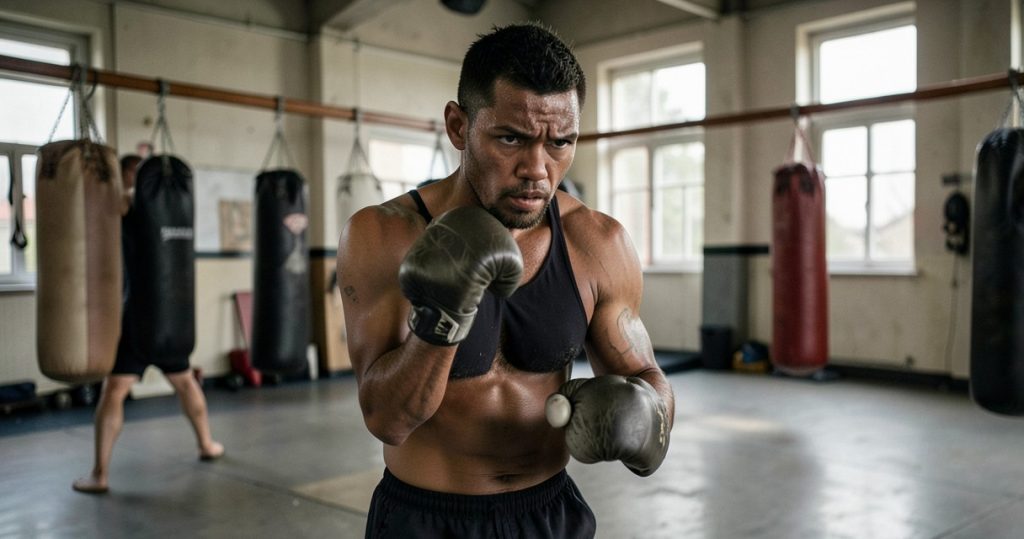
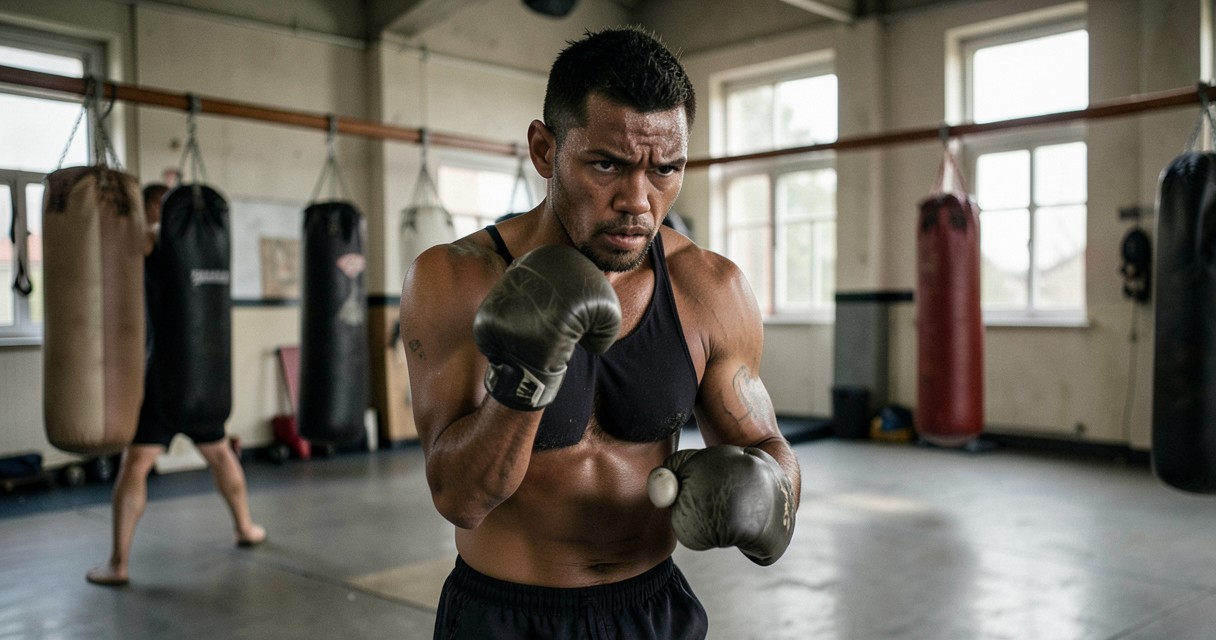
Boxing is a popular sport in Wales, with a rich history and a dedicated following. However, the physical demands of the sport can often lead to injuries, which can significantly impact a boxer’s career. Understanding injury recovery options is crucial for athletes looking to return to the ring in peak condition. This article delves into various injury recovery methods tailored for boxers in Wales, focusing on selection criteria, specific options, and how to choose the best approach for individual circumstances.
Understanding the Types of Injuries in Boxing
In boxing, injuries can range from minor cuts and bruises to severe concussions and fractures. Common injuries include shoulder strains, hand fractures, and ligament tears, particularly in the knees and ankles. Boxers may also experience chronic issues such as repetitive strains. Each type of injury requires a tailored recovery plan to ensure that the athlete can return to training safely and effectively. Recognising the severity and type of injury is the first step in selecting an appropriate recovery method.
In Wales, where boxing clubs are prevalent, trainers and medical staff often encounter these injuries during training and competitions. The approach to recovery must be comprehensive, addressing both the physical and psychological aspects of coming back from an injury. For instance, a boxer recovering from a concussion may need to undergo cognitive assessments alongside physical rehabilitation to ensure full recovery before returning to the sport.
Criteria for Choosing Recovery Options
Selecting the right recovery method involves several factors. Firstly, the nature and severity of the injury play a pivotal role. For example, a minor muscle strain may only require rest and physiotherapy, while a more serious injury like a fracture could necessitate surgical intervention. Secondly, the boxer’s previous injury history and overall fitness level must be considered, as these can influence recovery time and methods.
Another important criterion is access to resources, including medical professionals, physiotherapists, and rehabilitation facilities. In Wales, many boxing clubs have partnerships with local healthcare providers, making it easier for athletes to access the support they need. Finally, personal preferences and psychological readiness should not be overlooked. Some boxers may prefer a more holistic approach, while others might favour traditional medical treatments.
Physiotherapy for Boxers
Physiotherapy is one of the most commonly recommended recovery methods for boxers in Wales. Physiotherapists work to rehabilitate injuries through tailored exercise programmes, manual therapy, and education on injury prevention. This approach helps athletes regain strength, flexibility, and range of motion while also addressing pain management.

In Wales, several clinics specialise in sports physiotherapy, offering services specifically designed for athletes. These clinics often use advanced techniques such as ultrasound therapy, electrical stimulation, and massage to facilitate quicker recovery. Boxers can benefit from one-on-one sessions that focus on their specific injuries and training needs, allowing for a more personalised recovery experience.
Strength and Conditioning Programs
Incorporating strength and conditioning into recovery plans is essential for boxers looking to return to their previous performance levels. These programmes focus on building strength, endurance, and agility, which are crucial for success in the ring. After an injury, a boxer may need to rebuild muscle strength and improve overall fitness to avoid re-injury.
Many boxing gyms in Wales offer specialised strength and conditioning sessions led by certified trainers. These trainers understand the unique demands of boxing and can create programmes that cater to the specific needs of injured athletes. By focusing on functional movements and sport-specific exercises, boxers can ensure a smoother transition back into training and competition.
Alternative Therapies and Holistic Approaches
Alternative therapies are gaining popularity among athletes, including boxers in Wales. Techniques such as acupuncture, chiropractic care, and massage therapy can complement traditional recovery methods. These therapies often focus on pain relief, improving circulation, and reducing muscle tension, which can be beneficial during the recovery process.
In Wales, several practitioners specialise in sports-related alternative therapies. Boxers may find that incorporating these approaches into their recovery can enhance their overall well-being and promote faster healing. It’s essential for athletes to communicate with their primary healthcare providers when exploring alternative therapies to ensure a cohesive recovery plan.
Psychological Support for Injury Recovery
The psychological aspect of injury recovery is often overlooked but plays a vital role in an athlete’s return to sport. Boxers may experience anxiety, fear of re-injury, or frustration during their recovery journey. Access to sports psychologists or mental health professionals can provide essential support in navigating these challenges.

In Wales, some boxing clubs have begun to recognise the importance of mental health in sports performance and recovery. They may offer workshops or one-on-one sessions with psychologists who specialise in sports-related issues. By addressing mental barriers, boxers can enhance their confidence and readiness to compete again.
Choosing the Right Recovery Plan
When it comes to selecting the right recovery plan, boxers should consider their individual circumstances, including the type of injury, available resources, and personal preferences. Consulting with medical professionals, trainers, and physiotherapists can provide valuable insights into the most effective recovery methods.
It’s also beneficial for boxers in Wales to connect with fellow athletes who have undergone similar recovery processes. Sharing experiences can offer emotional support and practical advice on navigating the challenges of injury recovery. Ultimately, a well-rounded recovery plan that incorporates physical rehabilitation, psychological support, and tailored training will lead to the best outcomes for boxers aiming to return to the ring.

Growing up in the valleys, the atmosphere of a local fight night has always felt like home to me. I spend my weekends travelling the length and breadth of Wales to catch amateur and professional bouts, documenting the grit and glory of our fighters.