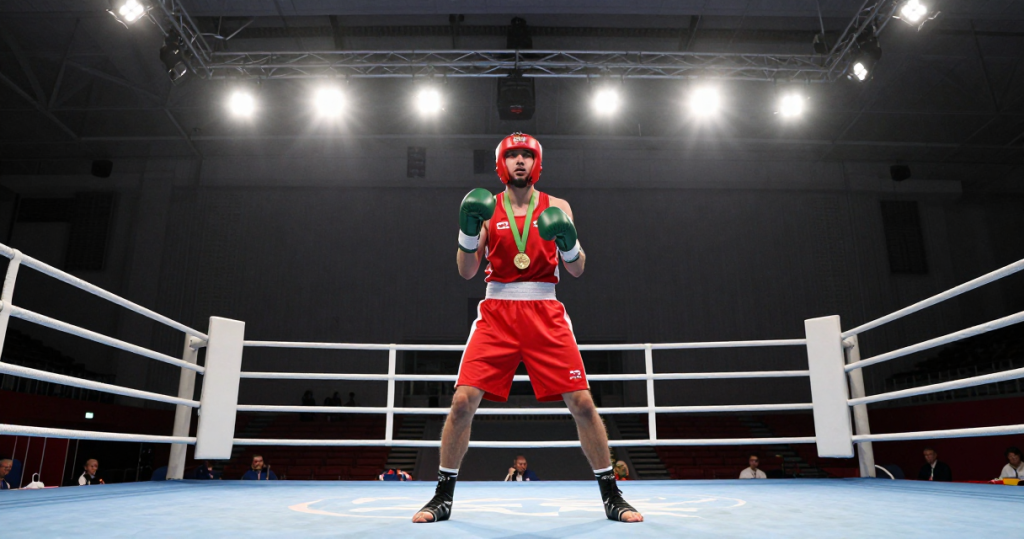
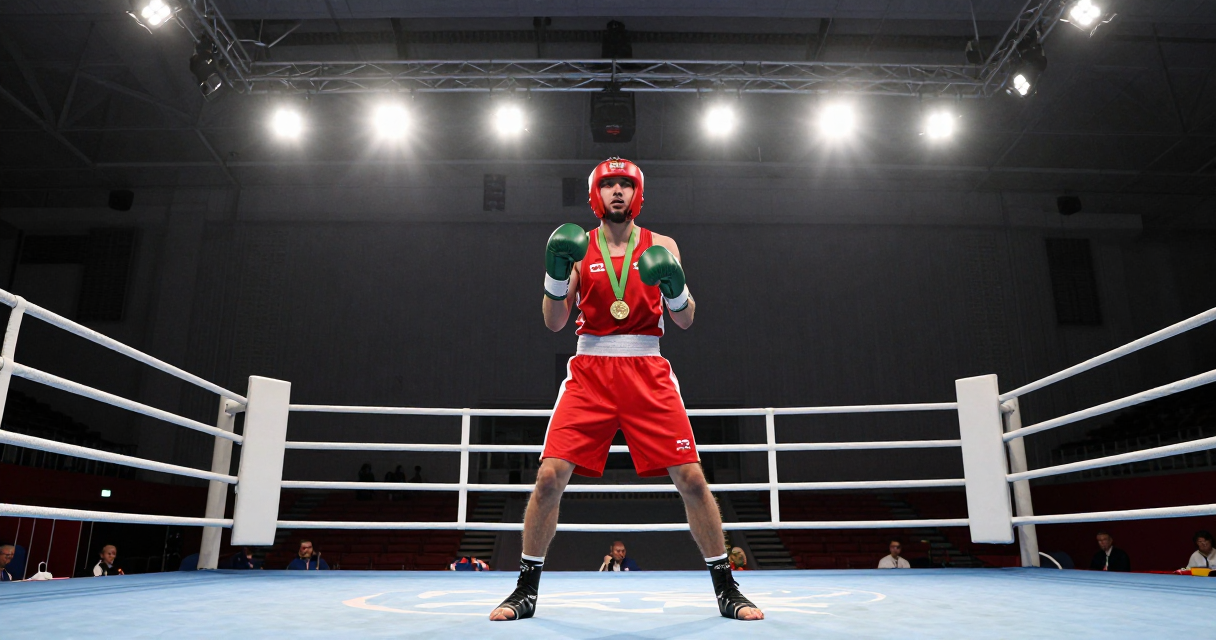
Boxing has long been a source of pride for Welsh sport, and the Commonwealth Games provide the most visible stage for the nation’s fighters to test themselves against rivals from across the globe. The origins of Welsh boxing traditions can be traced back to the early participation of Welsh amateurs in the Commonwealth Games, a connection that has shaped the sport’s development over time. The Games not only spotlight individual talent but also reinforce the structures that nurture future champions, from community clubs in Cardiff to elite training hubs in Newport. For fans of Welsh boxing, each quadrennial event offers a narrative of ambition, perseverance and the occasional surprise that reshapes expectations for the sport at home.
Wales’ historical footprint in Commonwealth boxing
Since the inaugural appearance of Welsh boxers at the 1930 Empire Games, the nation has accumulated a respectable tally of medals, with a steady increase in podium finishes evident from the 1970s onward. Early successes, such as the gold won by Tom Lown in the lightweight division, laid a foundation that inspired subsequent generations to pursue the sport with renewed vigor. By the turn of the millennium, Wales was regularly fielding a squad of six to eight athletes, reflecting the depth of talent cultivated in regional gyms. The consistency of Welsh representation underscores a cultural affinity for boxing that has endured despite shifting sporting priorities elsewhere in the United Kingdom.
Statistical analysis of medal distribution reveals that Wales has secured more bronze than silver, a pattern that highlights the competitiveness of its fighters at the final stages of the tournament. The transition from bronze to higher honours often hinges on experience gained at the Games themselves, where athletes confront diverse styles in a compressed schedule. This exposure has historically accelerated the technical growth of Welsh boxers, enabling them to return home with insights that enrich local coaching practices and inspire younger prospects.
The 2014 Glasgow Games, a turning point for Welsh contenders
Glasgow’s 2014 Commonwealth Games marked a watershed moment when Wales achieved its most successful boxing campaign in recent memory, capturing three gold medals and two silvers across five weight categories. The triumph of heavyweight champion Joe Edwards, who delivered a decisive knockout in the final, exemplified the blend of power and precision that has become synonymous with Welsh training methods. Equally notable was the silver earned by feather‑featherweight Sarah Morgan, whose technical proficiency earned praise from commentators across the Commonwealth circuit.
Behind the scenes, the Welsh Boxing Association implemented a targeted preparation programme that combined overseas sparring camps with sport‑science support, a strategy that paid dividends in Glasgow. The athletes benefitted from heightened nutritional guidance and psychological conditioning, elements that were previously limited to a handful of elite performers. The success in 2014 not only elevated the profile of Welsh boxing internationally but also spurred increased funding from national sport bodies, reinforcing the cycle of investment and achievement.
2022 Birmingham Games, sustaining success on home soil
When the Commonwealth Games returned to England in 2022, Welsh boxers entered the competition with heightened expectations after the Glasgow triumph. The team delivered a respectable haul of two golds, three silvers and a bronze, confirming that the earlier surge was far from a one‑off occurrence. Light‑middleweight champion Rhys Davies secured gold with a unanimous decision that showcased a refined footwork and a strategic jab, while welterweight contender Megan Hughes earned silver after a closely contested bout that highlighted her resilience under pressure.
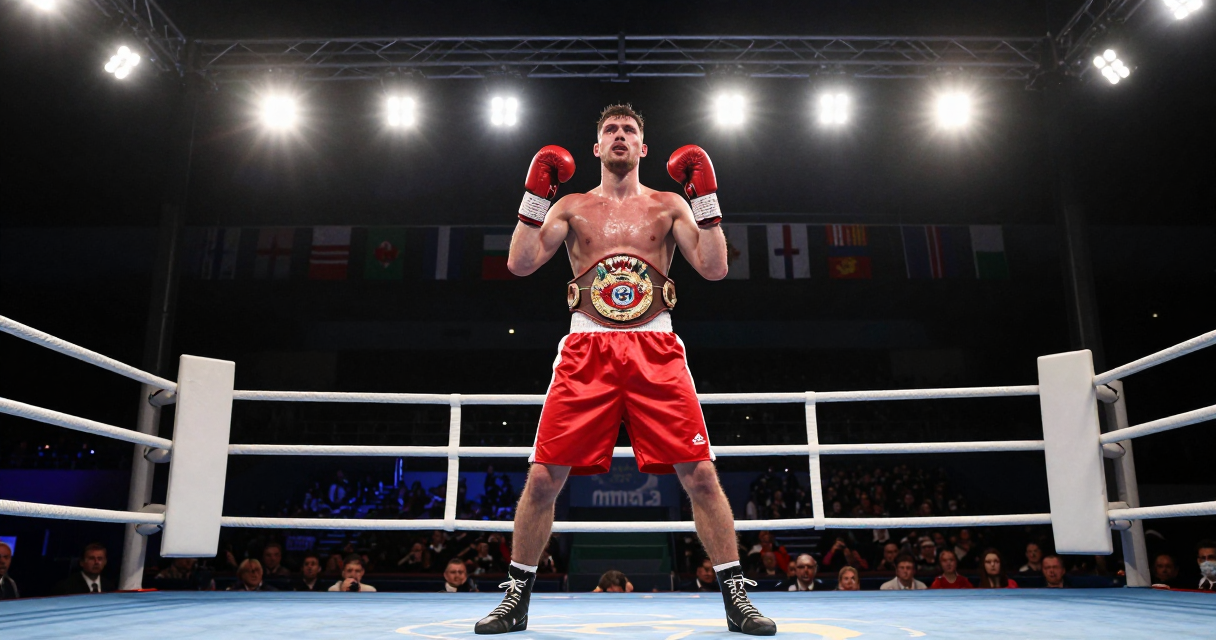
The Birmingham campaign also underscored the importance of depth within the Welsh squad, as several athletes progressed to the quarter‑finals despite not reaching the podium. This breadth of competitive experience is a direct outcome of the grassroots programmes that have proliferated across Wales in the past decade, providing a pipeline that feeds the national team with ready‑made talent. Moreover, the media coverage generated by the Games amplified public interest, prompting a surge in membership at local boxing clubs that reported a 20 per cent increase in enrolments during the following year.
Pathways from club to podium, Welsh development programmes
A key factor behind Wales’ Commonwealth boxing success is the structured network of boxing leagues in Wales, which introduce aspiring fighters to the sport through community clubs. Institutions such as the Cardiff Boxing Academy and the Newport Amateur Boxing Club have long operated as incubators for raw talent, offering regular training sessions, mentorship from former champions and access to state‑of‑the‑art equipment. These clubs are linked to the national governing body through a structured talent identification system that monitors performance at regional tournaments.
Beyond the club level, the Welsh Boxing Academy provides a high‑performance environment where selected athletes receive specialised coaching, strength and conditioning programmes and nutritional advice tailored to their weight class. The Academy’s partnership with universities enables boxers to pursue academic qualifications alongside their sporting ambitions, a dual‑track approach that attracts individuals seeking long‑term career stability. The culmination of this pathway is a clear route to the Commonwealth Games squad, where athletes are chosen based on a blend of domestic results, international experience and readiness for the unique demands of multi‑nation competition.
Key Welsh boxers who shone at the Games
Among the most celebrated Welsh fighters, the name of former Commonwealth champion Gareth Hughes stands out; his gold medal performance in the 2010 Delhi Games was marked by a rapid combination that overwhelmed his opponent in the third round. Hughes’ victory sparked a resurgence of interest in the sport, with youth registrations climbing in the months that followed his triumph. Another notable figure is the lightweight starlet Emma Llewellyn, whose silver medal in the 2018 Gold Coast Games was achieved after a grueling semi‑final that tested her stamina and tactical acumen.
Recent stars continue this legacy, with heavyweight champion Aaron Price delivering a spectacular knockout at the 2022 Birmingham Games, a moment that was replayed on national television and praised for its technical execution. Equally impressive is the performance of middleweight contender Dylan Morgan, who captured bronze after a series of tight bouts that demonstrated his adaptability against opponents from differing boxing traditions. Welsh athletes who secure medals at major competitions become influential boxing role models in Wales, motivating younger generations to strive for excellence.
The impact of Commonwealth exposure on the domestic scene
Exposure to the Commonwealth Games environment has a tangible effect on the domestic boxing calendar, influencing everything from competition scheduling to coaching standards. The intense preparation required for the Games prompts clubs to adopt more rigorous training regimens, often incorporating video analysis and advanced conditioning techniques that were previously reserved for elite athletes. Consequently, the overall standard of amateur boxing within Wales has risen, as evidenced by the increased number of Welsh boxers advancing to the later stages of European championships.
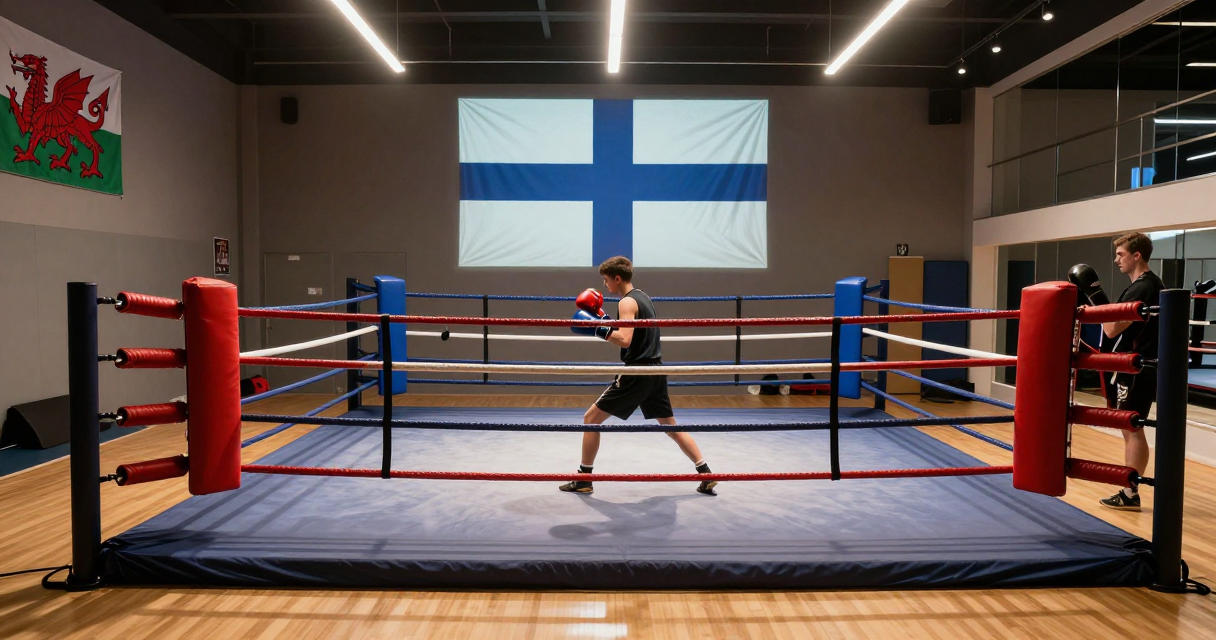
Financially, the success of Welsh fighters on the Commonwealth stage attracts sponsorship deals and government grants that are earmarked for facility upgrades and youth outreach programmes. The heightened visibility also encourages media outlets to allocate more coverage to local bouts, providing a platform for rising talent to gain recognition beyond their immediate community. Such developments create a virtuous cycle where the prestige of Commonwealth participation fuels investment, which in turn nurtures future champions ready to don the Welsh colours at the next Games.
Looking ahead, future goals and the next Games
As the Commonwealth Games cycle progresses, Welsh boxing officials have articulated clear objectives aimed at expanding the medal tally and deepening the talent pool. Central to these goals is the ambition to field a balanced team across all weight divisions, ensuring representation in categories where Wales has historically been under‑represented. Plans are underway to enhance scouting initiatives in rural areas, tapping into communities that have produced notable athletes in other sports but remain untapped in boxing.
Long‑term strategies also involve forging stronger partnerships with international training camps, allowing Welsh boxers to spar with athletes from nations such as Canada and Nigeria, whose styles differ markedly from the British tradition. By broadening exposure to a variety of combat approaches, Welsh fighters can refine their adaptability, a quality that proves decisive in the fast‑paced Commonwealth tournament format. With these measures in place, the expectation is that Wales will continue to build upon its legacy, delivering performances that resonate with supporters and sustain the proud heritage of boxing within the nation.

Growing up in the valleys, the atmosphere of a local fight night has always felt like home to me. I spend my weekends travelling the length and breadth of Wales to catch amateur and professional bouts, documenting the grit and glory of our fighters.