Welsh boxing has long been a source of pride for the nation, and the Olympic stage has offered a unique platform for its athletes to showcase skill and determination. From the early days of the modern Games to the most recent Tokyo triumph, boxers from the valleys and coastal towns have worn the Union Jack while carrying the hopes of a proud community. The journey has been marked by moments of triumph, narrow defeats, and a steady evolution of the sport within Wales, all of which have shaped the current landscape of Olympic representation. Understanding this history provides insight into how a small nation continues to punch well above its weight on the world’s biggest amateur stage.
Early Olympic appearances and the foundation of Welsh ambition
The first Welsh boxers to step onto an Olympic ring did so under the banner of Great Britain, a tradition that began in the 1908 London Games where several British fighters hailed from the industrial heartland of South Wales. Though records of individual nationalities were sparse at the time, contemporary accounts highlight a strong Welsh presence in the lightweight and featherweight divisions, reflecting the region’s deep‑rooted pugilistic culture. These early participants helped establish a template for future athletes, proving that the rigours of Welsh training could translate into success on an international platform. Their legacy was felt in the gyms of Cardiff and Swansea, where young hopefuls were inspired to aim for Olympic glory.
By the 1920 Antwerp Games, the Welsh contribution had become more visible, with boxers such as William “Billy” J. Thomas earning a place in the British squad. Though Thomas did not claim a medal, his performance against seasoned opponents demonstrated the technical proficiency nurtured in Welsh clubs. The post‑war period saw the sport’s popularity surge, driven by local promoters who organised bouts in community halls and at race meets, providing aspiring Olympians with vital experience. This grassroots support would later prove essential as Wales began to produce world‑class talent capable of competing against the best in the world.
Howard Winstone and the silver that sparked a golden era
Howard Winstone’s silver medal at the 1968 Mexico City Olympics remains a milestone in Welsh boxing history, symbolising the nation’s arrival on the amateur world stage. Born in Merthyr Tydfil, Winstone overcame a childhood injury that left his left hand permanently impaired, yet he refined a style built on speed, precision and relentless work‑rate. His final bout against Cuba’s Antonio Roldan was a tactical masterpiece, and although the decision went to the Cuban, the Welshman’s performance earned widespread admiration and inspired a generation of boxers. The silver medal also highlighted the effectiveness of the British Amateur Boxing Association’s training programmes, which began to incorporate Welsh coaches and athletes more fully.
Following Winstone’s success, the 1970s witnessed an influx of Welsh talent into the Olympic ranks, with fighters such as Terry McGowan and Eddie “The Prince” Thomas representing Great Britain in Munich and Montreal. While medals proved elusive, the experience gained in the Olympic village and the exposure to different boxing styles enriched the domestic circuit. Welsh gyms adopted new conditioning methods, and the emphasis on scientific training grew, laying the groundwork for future champions. The period cemented a belief that Welsh boxers could not only qualify but also contend for podium places.
Modern qualifiers and the role of GB Boxing in shaping Welsh contenders
The pathway to the Olympics today is heavily influenced by GB Boxing, the governing body that selects and prepares athletes for the Games, and Welsh boxers have become integral to its talent pool. Recent qualifiers have underscored this relationship, exemplified by Owain Harris‑Allan’s participation in the second Olympic qualifying tournament in Italy after fellow Welshman Jack Dryden withdrew with injury. Harris‑Allan’s resilience and technical acumen earned him a spot in the competition, illustrating how depth within Welsh boxing can sustain representation even when setbacks occur. Such instances reinforce the importance of a robust national programme that can swiftly adapt to changing circumstances.
GB Boxing’s investment in high‑performance centres, sports science support and international sparring partners has elevated the standard of Welsh athletes, enabling them to compete on equal terms with traditional boxing powerhouses. The collaborative approach, which blends Welsh coaching expertise with British resources, has produced a pipeline of fighters who are well‑versed in the modern amateur scoring system and the rigorous demands of multi‑day tournaments. As a result, Wales continues to send multiple boxers to each Olympic cycle, maintaining a visible presence on the world stage.
Commonwealth Games as a springboard for Olympic ambition
The Commonwealth Games have long served as a proving ground for Welsh boxers aiming for Olympic success, offering a multi‑nation environment that mirrors the pressures of the Olympics while allowing athletes to gain valuable experience. Notable performances, such as Sean McGoldrick’s bronze medal at the 2010 Delhi Games and the triumph of Kaleem “Killer” Khan in the 2014 Glasgow edition, have demonstrated the capacity of Welsh fighters to thrive under high‑stakes conditions. These achievements often translate into confidence and technical refinement that prove decisive during Olympic qualifiers.
Moreover, the Commonwealth platform enables Welsh coaches to assess their athletes against a diverse array of styles, from Caribbean power punchers to African footwork specialists. The exposure to different tactical approaches enriches training programmes back home, as gyms incorporate new drills and conditioning regimes inspired by international opponents. Consequently, the synergy between Commonwealth and Olympic participation creates a virtuous cycle that continually raises the standard of Welsh amateur boxing.
Women’s Olympic boxing and the rise of Welsh champions
Lauren Price’s historic gold medal in the women’s middleweight division at the Tokyo 2020 Olympics marked a watershed moment for Welsh boxing, confirming that the nation’s talent extends beyond the male ranks. Hailing from Bridgend, Price combined a background in football and kickboxing with an unwavering dedication to the sweet science, a blend that contributed to her technical versatility and strategic insight. Her victory over the reigning champion in the final not only secured Wales its first Olympic boxing gold but also inspired a surge of interest among young women across the country.
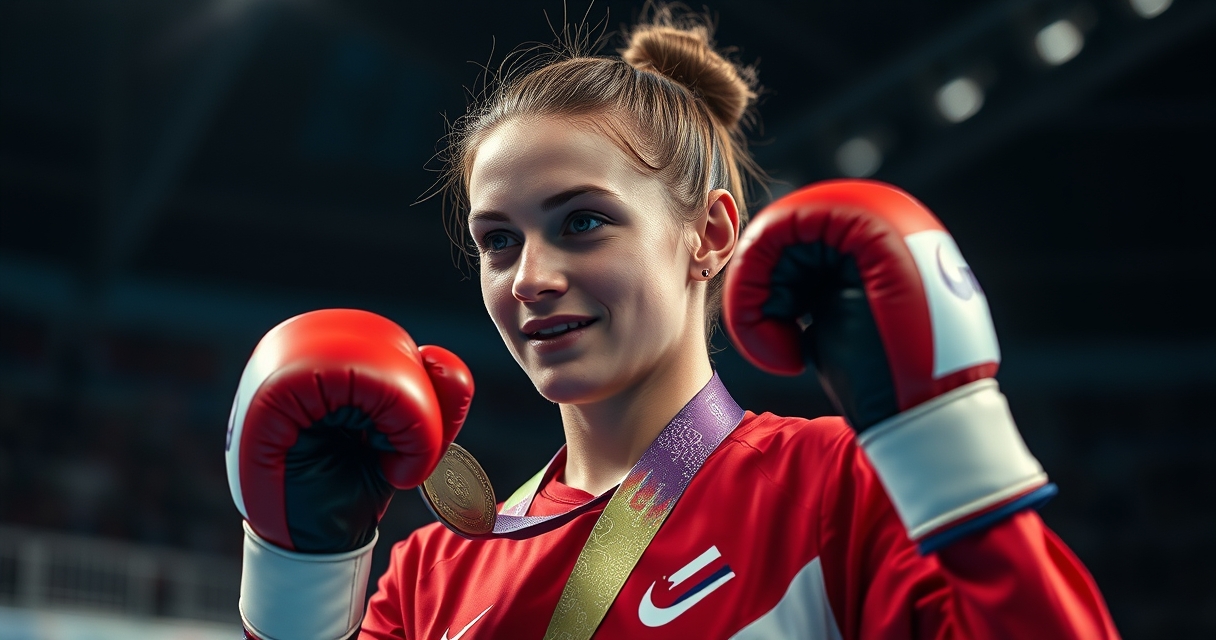
Since Price’s triumph, grassroots initiatives have accelerated, with clubs across Wales introducing female programmes and national tournaments expanding to accommodate growing participation. The Welsh Amateur Boxing Association has allocated additional funding to support female athletes, focusing on talent identification, coaching education and competition exposure. This concerted effort is beginning to bear fruit, as a new cohort of promising women prepares to follow in Price’s footsteps and aim for the next Olympic cycle.
Future prospects and the importance of grassroots development
Looking ahead, the sustainability of Welsh Olympic boxing hinges on the strength of its grassroots network, which continues to nurture talent from the earliest ages. Local clubs in towns such as Newport, Aberystwyth and Rhyl have introduced structured youth programmes that combine skill development with academic support, ensuring that budding boxers receive a balanced education. Partnerships with schools and community centres have broadened access, allowing more children to experience the sport in a safe and supportive environment.
Investment in coaching qualifications, modern training facilities and sports science services remains essential for translating grassroots potential into Olympic medals. As the next generation of Welsh fighters emerges, the blend of historic pride, modern expertise and community commitment promises to keep Wales well represented at future Games, reinforcing the nation’s reputation as a fertile breeding ground for world‑class boxing talent.

Growing up in the valleys, the atmosphere of a local fight night has always felt like home to me. I spend my weekends travelling the length and breadth of Wales to catch amateur and professional bouts, documenting the grit and glory of our fighters.