Choosing the right boxing heavy bags for training is a vital step for any boxer or fitness enthusiast in Wales aiming to improve technique, power, and endurance. Whether training in a local gym or setting up a home space, the selection process involves understanding the different types of bags available, their construction, weight, and how they complement specific training goals. This guide provides a practical, step-by-step approach to help you pick the most suitable boxing heavy bags for your regimen, ensuring you get the best value and performance from your investment.
Assessing Your Training Needs Before Selecting Boxing Heavy Bags
Before investing in boxing heavy bags, it is essential to evaluate your training objectives. If your primary focus is building punching power and practising heavy strikes, a traditional heavy bag weighing between 70 to 100 pounds will provide the resistance needed for strength development. Conversely, if speed and accuracy are your priorities, lighter bags or specialised bags like the teardrop or uppercut bags may be more appropriate. Boxers in Wales often train for both fitness and competitive bouts, so consider how the bag will complement your overall routine and whether it aligns with your skill level and physical condition.
Another factor to consider is the space available for your training setup. Heavy bags require sturdy mounting points, such as ceiling beams or wall brackets, and sufficient clearance to allow for movement around the bag. If you live in a typical Welsh home with limited space, a freestanding heavy bag might be a more practical option, though it often sacrifices some stability compared to hanging bags. Taking stock of your environment and goals will help narrow down the types of boxing heavy bags suited to your situation.
Understanding Different Types and Materials of Boxing Heavy Bags
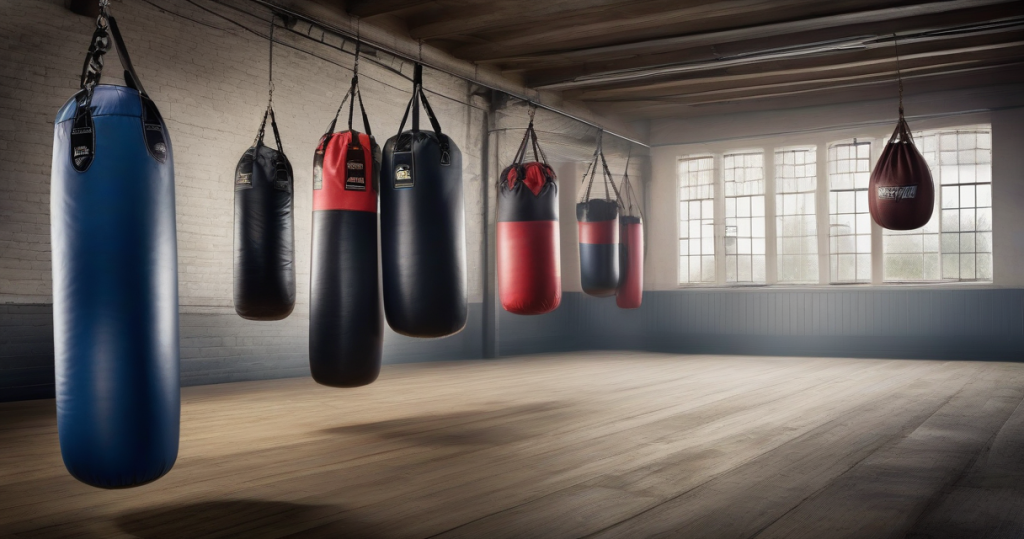
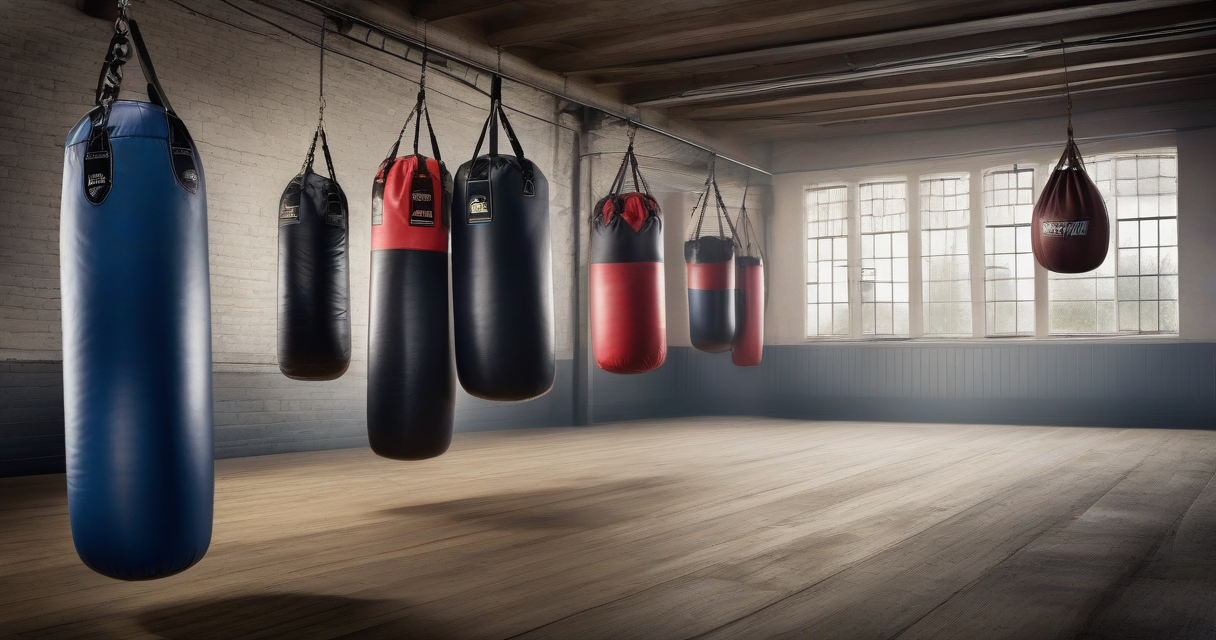
Boxing heavy bags come in various forms, each designed for specific training purposes. The classic cylindrical hanging bag is the most common, offering a versatile surface for practising punches, kicks, and combinations. These bags are usually filled with sand, textile scraps, or water, which affects their weight and firmness. Water-filled bags tend to absorb impact better and reduce strain on joints, which can be advantageous for prolonged sessions. Textile-filled bags are generally softer and preferred for technique drills.
Material matters greatly for durability and feel. Leather bags are considered premium due to their longevity and natural resistance to wear, making them a favourite in many Welsh boxing gyms. Synthetic leather bags offer a more affordable alternative but may degrade faster under intense use. Vinyl-coated bags are often found in budget setups but can become slippery when sweaty, affecting grip and accuracy. Selecting the right material depends on your budget and how frequently you intend to train.
Choosing the Correct Weight and Size of Boxing Heavy Bags
The weight of boxing heavy bags is crucial for effective training. A bag that is too light will swing excessively and fail to provide realistic resistance, while a bag that is too heavy can cause fatigue and strain, especially for beginners. As a general rule, your bag should weigh approximately half your body weight for balanced training. For example, a 70-kilogram boxer would benefit from a 35-kilogram bag. This balance ensures the bag absorbs punches realistically without excessive movement.

Size also plays a role in targeting different techniques. Standard bags measure around 4 to 5 feet in length, suitable for practising a full range of punches and kicks. Taller bags allow for body shots and high strikes, whereas shorter bags are better for uppercuts and close-range work. Welsh boxers focusing on specific fight styles might prefer specialised bags like the long bag or the banana bag, which mimic an opponent’s shape more closely. Carefully matching the bag’s size and weight to your style will optimise training outcomes.
Selecting Suitable Mounting Options and Safety Considerations
Proper installation of boxing heavy bags is essential to ensure safety and longevity. Most traditional bags require a secure ceiling mount or wall bracket that can support the considerable weight and movement during use. In Wales, where many training spaces are older buildings, verifying the structural integrity of mounting points is particularly important. Using heavy-duty chains, swivels, and reinforced hooks will prevent accidents and allow the bag to swing naturally, simulating the movement of an opponent.
For those unable to mount a bag overhead, freestanding heavy bags provide an alternative. These bags come with weighted bases that can be filled with sand or water, offering portability and ease of setup. However, freestanding bags may not replicate the same feel as hanging bags and can be less stable during intense workouts. Regardless of mounting type, always inspect the bag and hardware regularly for wear and tear to avoid injury during training.
Incorporating Boxing Heavy Bags into Your Training Routine Effectively
Once you have chosen the right boxing heavy bags, integrating them into your training plan is the next step. Start with warm-up drills focusing on light punches and footwork around the bag to develop rhythm and timing. Gradually increase the intensity with combinations, power punches, and defensive movements such as slipping and weaving. Using a timer to structure rounds, similar to professional boxing sessions, helps build endurance and discipline.
In Wales, many boxing clubs recommend mixing bag work with shadowboxing, pad work, and sparring to develop a well-rounded skill set. Heavy bags are excellent for building cardiovascular fitness and muscle endurance, but they do not provide feedback on technique or timing. Incorporating video analysis or coaching during bag sessions can help identify flaws and improve precision. Regularly rotating your bag or trying different types can also prevent training plateaus.
Common Mistakes to Avoid When Choosing and Using Boxing Heavy Bags
A frequent error is selecting a heavy bag based solely on price rather than suitability, which can lead to frustration and injury. Some beginners pick bags that are too heavy or too firm, risking wrist and shoulder strain without proper conditioning. Conversely, lightweight bags may encourage bad habits due to excessive swinging and lack of resistance. It is important to match the bag’s characteristics with your experience and physical capacity.
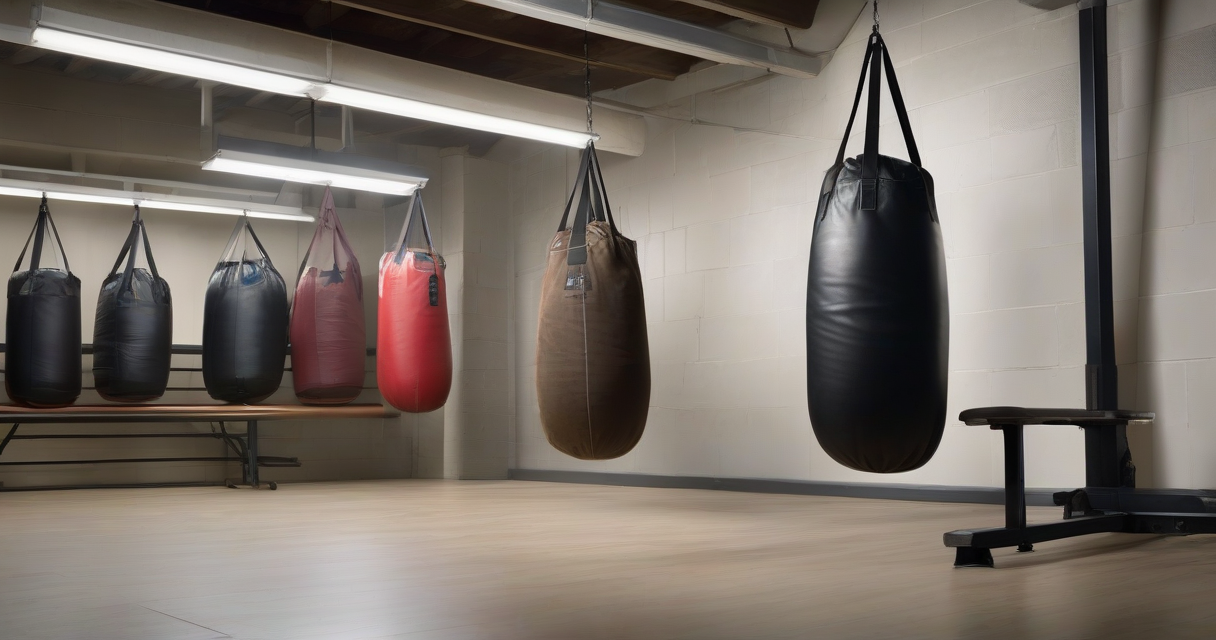
Another mistake is neglecting maintenance. Over time, the filling inside bags can shift or compact, altering the bag’s feel and effectiveness. Regularly checking the bag’s surface for tears, ensuring the mounting hardware is secure, and refilling or redistributing the stuffing will extend the bag’s life and maintain training quality. Avoid training with wet gloves or without hand wraps, as this can damage the bag’s exterior and reduce hygiene, which is critical in shared gym environments across Wales.
Tips for Purchasing Boxing Heavy Bags Locally in Wales
When buying boxing heavy bags in Wales, consider visiting specialised sports retailers or boxing gyms for expert advice and hands-on testing. Local suppliers often stock bags suited to the preferences and conditions common to Welsh training centres. Additionally, purchasing locally can reduce shipping costs and allow you to inspect the bag before committing. Some gyms may offer second-hand bags in good condition, which can be a budget-friendly option for newcomers.
Online marketplaces also provide a wide range of options, but it is wise to check reviews and verify the seller’s reputation. Look for bags with warranties or return policies to protect your purchase. Joining local boxing communities or forums can provide insights and recommendations tailored to the Welsh boxing scene. Ultimately, investing time in research and trying out different bags will pay dividends in your training progress and enjoyment.

Growing up in the valleys, the atmosphere of a local fight night has always felt like home to me. I spend my weekends travelling the length and breadth of Wales to catch amateur and professional bouts, documenting the grit and glory of our fighters.