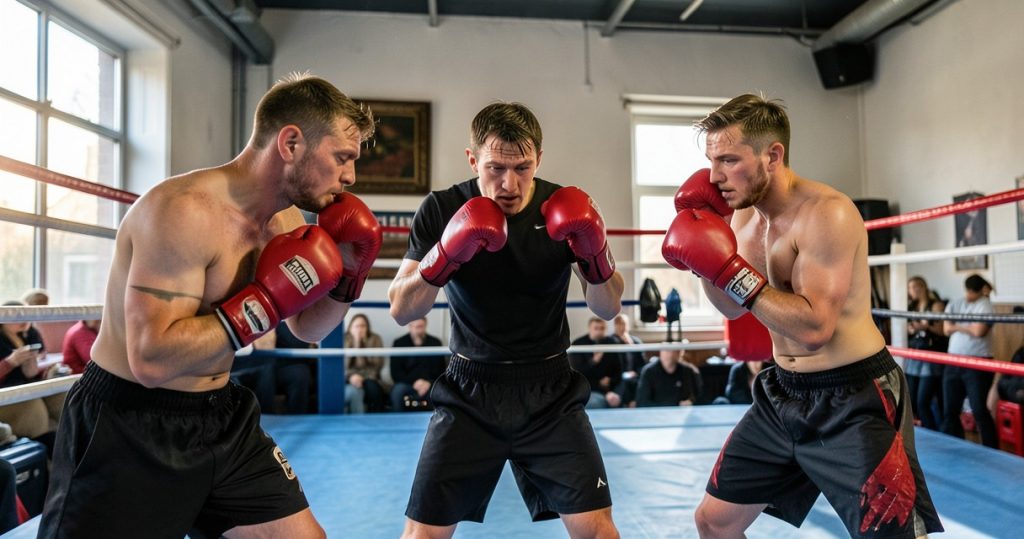
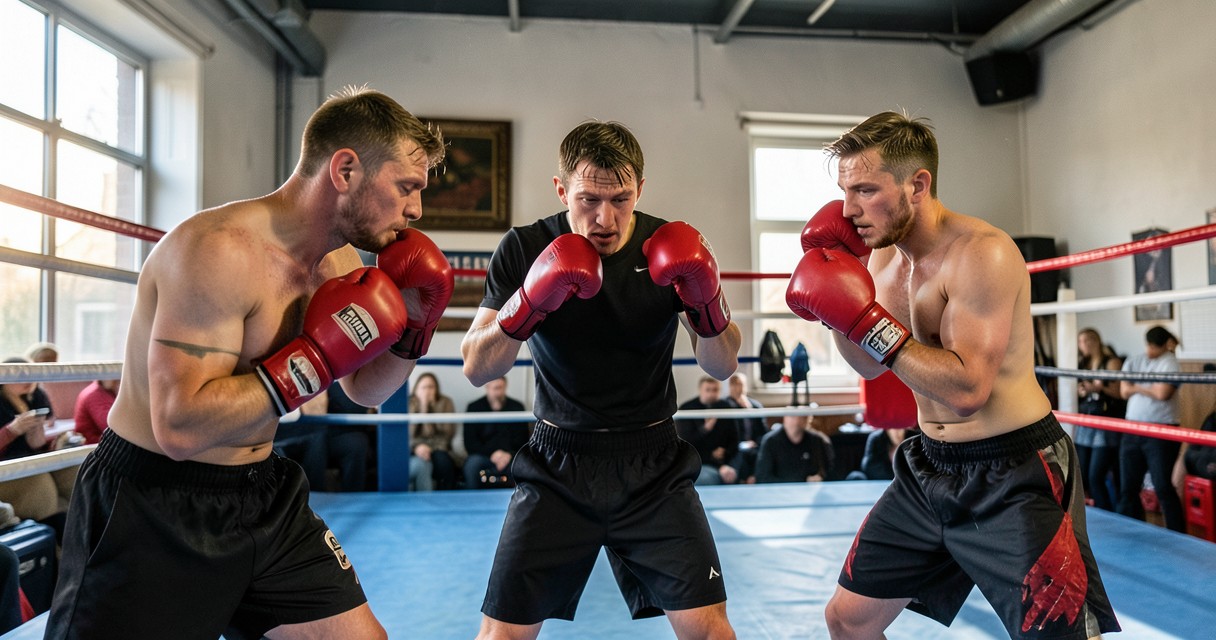
Punching techniques form the backbone of a boxer’s skill set, and Welsh boxers have a rich history of employing diverse and effective strategies in the ring. The unique style of punching seen in Welsh boxing combines traditional techniques with innovative approaches that have evolved over the years. This article explores the various punching techniques used by top Welsh boxers, focusing on practical steps that aspiring boxers can take to enhance their skills. By understanding these techniques, boxers can improve their performance and pay homage to the legacy of Welsh boxing.
Understanding the Basics of Punching
Before diving into specific techniques, it is essential to grasp the fundamentals of punching. Proper stance and footwork are critical for effective punching. A boxer must maintain a balanced stance, with feet shoulder-width apart and weight evenly distributed. This allows for powerful punches that are both accurate and quick. Welsh boxers, known for their agility, often emphasise the importance of being light on their feet. This enables them to generate momentum and deliver punches with enhanced force and precision.
In addition to stance, understanding the mechanics of a punch is vital. The power of a punch comes not just from the arms but also from the legs and core. Welsh boxers often utilise their hips to drive punches forward, ensuring that punches are delivered with maximum impact. Practising the basic jab, cross, hook, and uppercut is crucial for any boxer looking to develop their punching technique.
Mastering the Jab
The jab is a fundamental punch that serves multiple purposes in boxing. For Welsh boxers, the jab is often the first line of attack, used to gauge distance and set up more powerful punches. A well-executed jab can disrupt an opponent’s rhythm and create openings for combinations. To master the jab, boxers should focus on speed and accuracy. Practising with a mirror or a coach can help refine technique and ensure that the jab is delivered straight from the shoulder.
Incorporating head movement while throwing a jab can also enhance its effectiveness. Welsh boxers frequently use this technique to evade counter-punches while maintaining offensive pressure. By slipping to the side as they jab, they can create angles that make it difficult for opponents to retaliate. Regular sparring sessions can help boxers develop this skill in real-time situations.
Utilising the Cross
The cross is a powerful punch that often follows the jab. It is typically thrown with the dominant hand and aims to deliver significant impact. Welsh boxers are known for their ability to throw crosses with both speed and power, making them formidable opponents. To execute a strong cross, boxers should rotate their hips and shoulders while stepping forward. This rotation generates the necessary force to drive the punch through the target.
Practice is key to mastering the cross. Boxers should focus on their follow-through to ensure that they do not leave themselves open to counterattacks. Shadow boxing and heavy bag work are excellent ways to refine the technique of the cross. By repeatedly practising the motion, boxers can develop muscle memory that will serve them well in the ring.
The Hook: A Signature Move
The hook is a favourite among many Welsh boxers, known for its ability to catch opponents off guard. This punch is delivered in a semi-circular motion and is particularly effective when an opponent is within close range. To throw an effective hook, boxers should pivot on their lead foot and rotate their body, allowing the punch to flow naturally. The key is to keep the elbow high and aim for the head or body of the opponent.
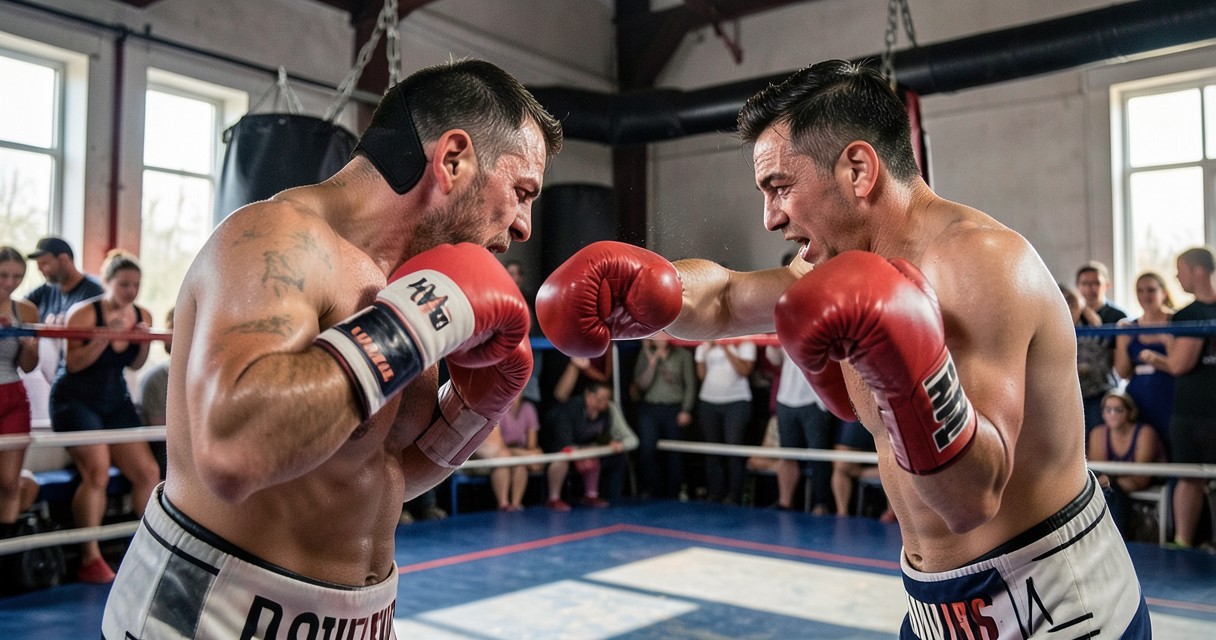
Common mistakes when throwing a hook include overcommitting or losing balance. Welsh boxers often practise hooks against pads or during sparring sessions to perfect their timing and distance. By focusing on these elements, boxers can ensure that their hooks are both powerful and precise, making them a valuable weapon in their arsenal.
Implementing the Uppercut
The uppercut is a less commonly used punch but can be devastating when executed correctly. It is particularly effective against opponents who lean forward or drop their guard. Welsh boxers often incorporate the uppercut into their combinations, using it to surprise opponents. To throw an uppercut, boxers should bend their knees slightly and drive the punch upward from a low position. This motion generates significant power, especially when combined with body movement.
Practising the uppercut on a heavy bag or with a partner can help boxers refine their technique. It is crucial to focus on accuracy, as a poorly timed uppercut can leave a boxer vulnerable to counterattacks. Incorporating the uppercut into sparring sessions will help boxers understand when to use this technique effectively.
Combination Punching for Effectiveness
Combination punching is an essential strategy that involves throwing multiple punches in quick succession. Welsh boxers are particularly known for their ability to string together jabs, crosses, hooks, and uppercuts seamlessly. To develop this skill, boxers should practise specific combinations during training. Starting with simple two-punch combos, they can gradually increase complexity as they become more comfortable.
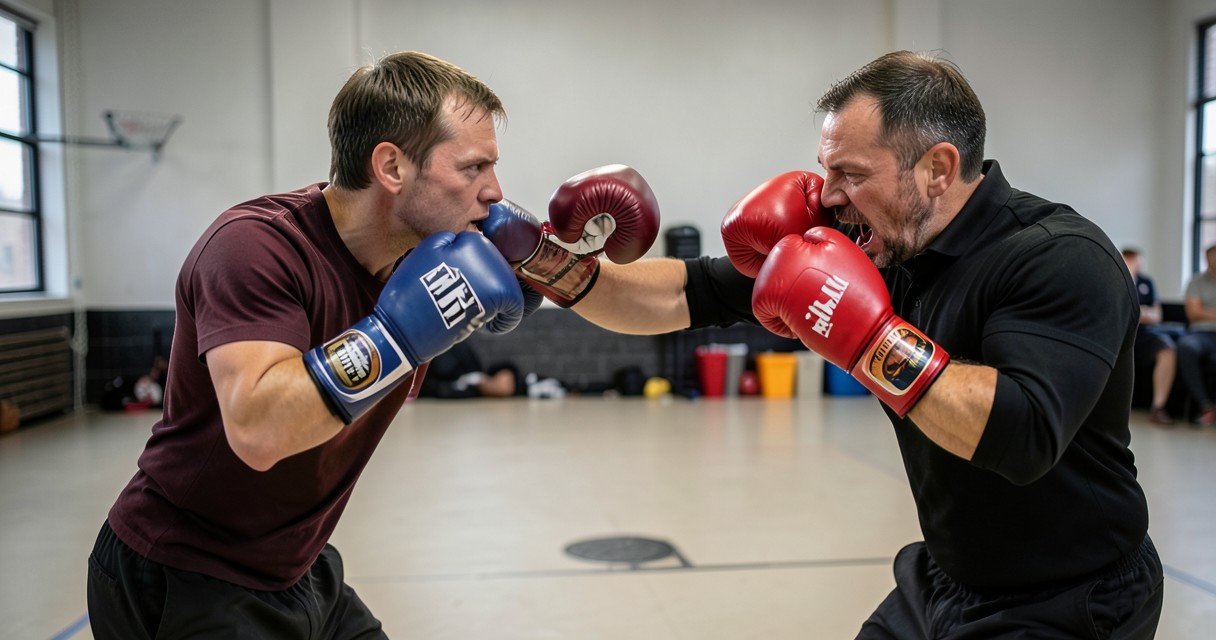
Timing and rhythm are crucial elements of combination punching. Boxers should work on keeping their hands up and maintaining defensive posture while throwing combinations. Drills that focus on speed and movement can help boxers react quickly and efficiently in the ring. By mastering combination punching, Welsh boxers can overwhelm their opponents and create openings for decisive strikes.
Avoiding Common Punching Mistakes
Even experienced boxers can fall into common pitfalls when it comes to punching techniques. One of the most frequent mistakes is neglecting defensive posture while attacking. Welsh boxers emphasise the importance of keeping hands up and maintaining head movement to avoid being hit while delivering punches. It is essential to develop a habit of returning to a defensive stance after each punch.
Another common error is overreaching or throwing punches from too far away. This not only reduces the power of the punch but also leaves the boxer open to counterattacks. Practising distance management is crucial for effective punching. Boxers should engage in drills that focus on closing the distance and maintaining control over their range to avoid these mistakes.
Incorporating Strength and Conditioning
To complement their punching techniques, Welsh boxers often engage in strength and conditioning training. Building core strength is particularly important, as it supports the explosive power needed for effective punching. Exercises such as medicine ball throws, plyometrics, and resistance training can enhance a boxer’s overall strength and endurance.
Conditioning should also not be overlooked. Boxing requires a high level of cardiovascular fitness, which can be achieved through running, skipping, and interval training. By incorporating a well-rounded training regimen that includes strength and conditioning, boxers can improve their punching power and overall performance in the ring.

Growing up in the valleys, the atmosphere of a local fight night has always felt like home to me. I spend my weekends travelling the length and breadth of Wales to catch amateur and professional bouts, documenting the grit and glory of our fighters.