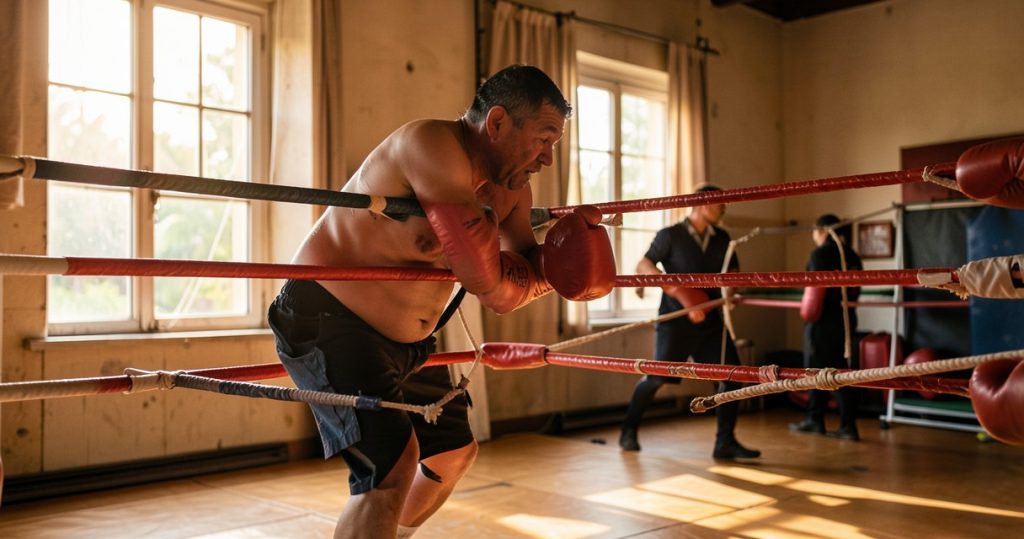
Boxing has long been recognised not only as a sport but also as a powerful tool for social inclusion, particularly in Wales. The unique blend of discipline, community, and empowerment found in boxing can foster a sense of belonging among diverse groups. As local boxing clubs emerge across the nation, they serve as vital hubs for bringing together individuals from various backgrounds, helping to break down social barriers and encourage participation. This article explores the role of boxing in promoting social inclusion in Wales, highlighting its benefits for individuals and communities alike.
The Historical Context of Boxing in Wales
Boxing has a rich history in Wales, dating back to the early 20th century. Welsh boxers have achieved significant recognition on both national and international stages, with champions like Joe Calzaghe and Johnny Owen becoming household names. The sport’s deep-rooted traditions in mining communities and urban areas have established boxing clubs as essential parts of local culture. These clubs often serve as safe spaces for youth and adults alike, providing a platform for social interaction and personal growth.
As we look at the evolution of boxing in Wales, it is clear that these clubs have adapted to the changing societal landscape. Today, they are not only places for training and competition but also serve as community centres that promote inclusivity. The grassroots nature of many boxing programs has allowed them to cater to individuals from various socio-economic backgrounds, making the sport accessible to all.
Community Engagement Through Boxing Clubs
Boxing clubs in Wales are pivotal in facilitating community engagement. They often host events that encourage local participation, such as open training sessions, workshops, and competitions. These events not only showcase the talent of local boxers but also invite community members to take part, fostering a sense of unity and pride. For instance, clubs like the Merthyr Tydfil Boxing Club have implemented initiatives that reach out to schools and youth organisations, promoting the sport as a means of physical fitness and social development.
Moreover, the inclusive atmosphere of boxing clubs encourages individuals who may otherwise feel marginalised to join. Many clubs actively seek to engage women, ethnic minorities, and individuals with disabilities, ensuring that everyone has the opportunity to participate. By creating a welcoming environment, these clubs help to dismantle stereotypes and promote understanding among diverse groups.
Health and Well-being Benefits
Engagement in boxing has profound health and well-being benefits, which extend beyond physical fitness. Regular training can significantly improve mental health, providing participants with an outlet for stress relief and emotional expression. Many clubs in Wales have recognised this and incorporated mental health support into their programmes, offering resources and counselling for those who need it.
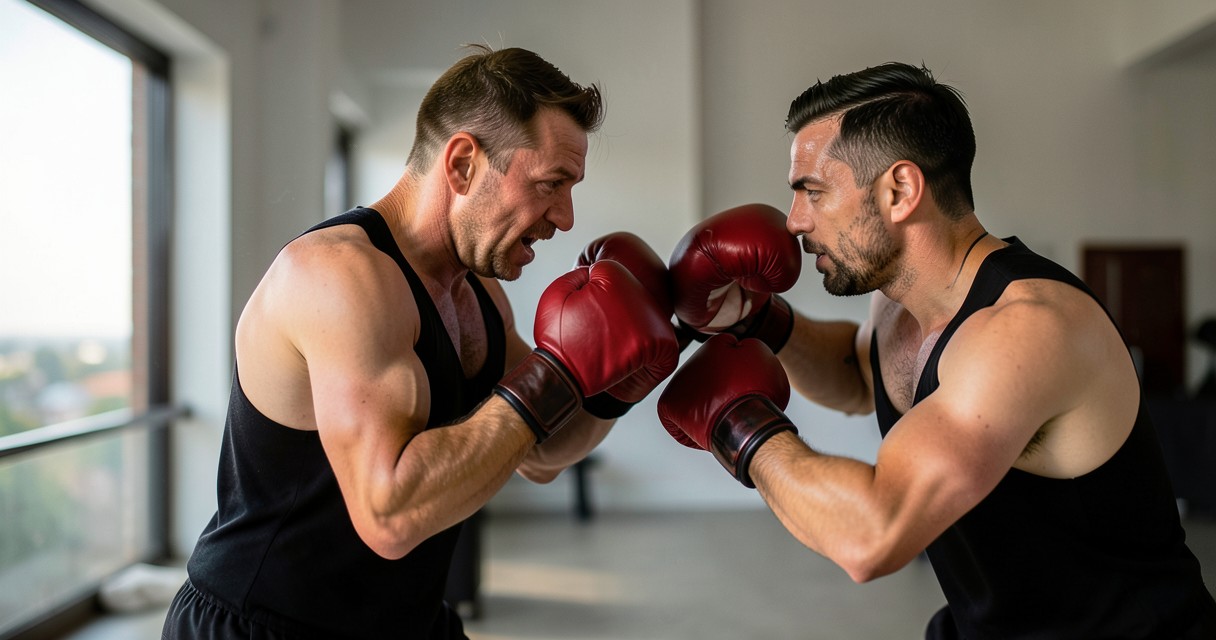
Boxing promotes discipline and resilience, qualities that can greatly enhance an individual’s confidence and self-esteem. For many, the journey from novice to skilled boxer represents more than just physical training; it is a transformative process that empowers individuals to overcome personal challenges. This is particularly relevant for young people facing adversity, as boxing can provide them with a sense of purpose and direction.
Empowering Women Through Boxing
The rise of women’s boxing in Wales has been a significant development in the sport’s landscape. As more women take up boxing, clubs have begun to create dedicated programmes that cater specifically to female participants. This empowerment is crucial in challenging traditional gender norms and encouraging women to engage in physical activities that promote strength and confidence.
Clubs like the Cardiff City Boxing Club have been at the forefront of this movement, offering tailored training sessions and support networks for women. These initiatives not only help to improve fitness but also foster a sense of community among female boxers. The visibility of women in boxing has inspired many young girls to pursue the sport, further enhancing social inclusion and representation within the boxing community.
Boxing as a Tool for Youth Development
Boxing is particularly effective in youth development, providing young people with valuable life skills. Clubs across Wales have implemented programmes targeting at-risk youth, helping them to channel their energy into positive activities. These initiatives often include mentorship from experienced coaches who serve as role models, guiding young boxers through both sport and life challenges.
Through structured training and competition, young people learn essential skills such as teamwork, discipline, and respect. Many clubs also emphasise the importance of education, encouraging participants to balance their sporting commitments with academic responsibilities. This holistic approach not only nurtures athletic talent but also prepares young individuals for future success beyond the boxing ring.
Building Bridges Between Communities
Boxing has a unique ability to bring together individuals from different backgrounds, fostering understanding and collaboration. In Wales, various clubs have initiated outreach programmes that connect with local communities, including minority groups and those from disadvantaged areas. These efforts help to break down barriers and promote social cohesion.
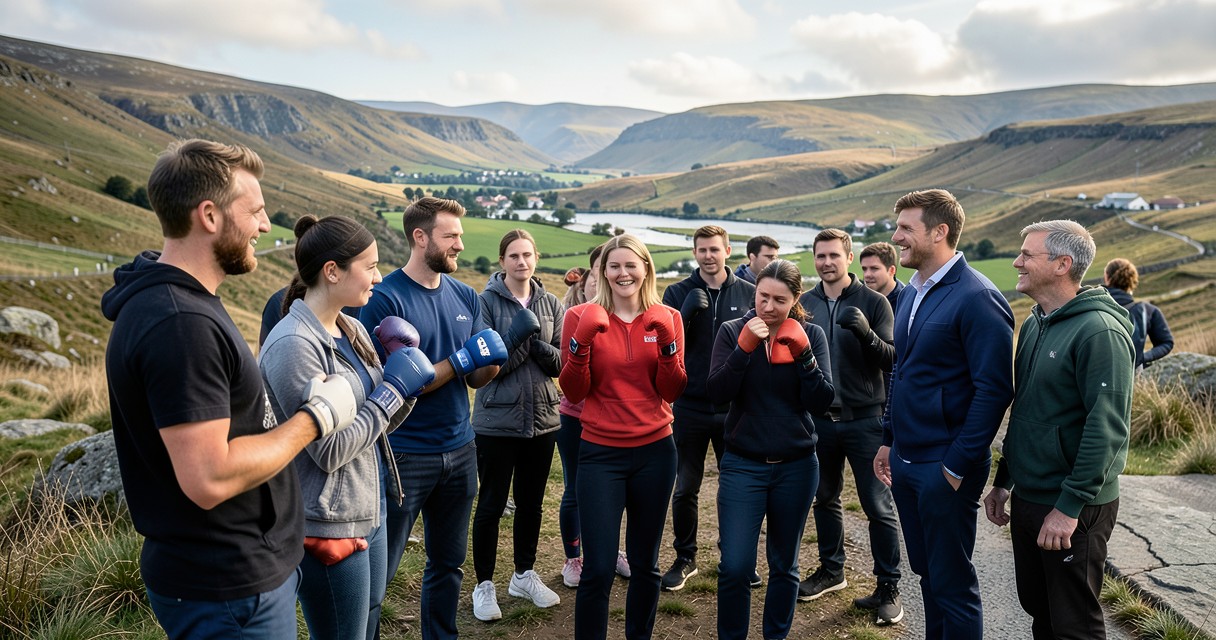
For example, the Newport Boxing Club has partnered with local organisations to run community events that celebrate diversity through sport. Such initiatives not only highlight the talents of local boxers but also encourage dialogue among different cultural groups. By creating shared experiences, boxing helps to build bridges between communities, promoting respect and understanding.
The Future of Boxing and Social Inclusion in Wales
The future of boxing as a tool for social inclusion in Wales looks promising. With increasing support from local governments and organisations, more resources are being allocated to community boxing programmes that emphasise inclusivity and accessibility. As awareness of the benefits of boxing continues to grow, clubs are likely to expand their outreach efforts, ensuring that everyone has the opportunity to participate.
Innovative initiatives, such as virtual training sessions and community partnerships, are also on the rise, allowing clubs to reach a wider audience. The integration of technology into training and community engagement can enhance accessibility for individuals who may be unable to attend in-person sessions. This adaptability will be crucial in maintaining the momentum of social inclusion efforts within the sport.

Growing up in the valleys, the atmosphere of a local fight night has always felt like home to me. I spend my weekends travelling the length and breadth of Wales to catch amateur and professional bouts, documenting the grit and glory of our fighters.