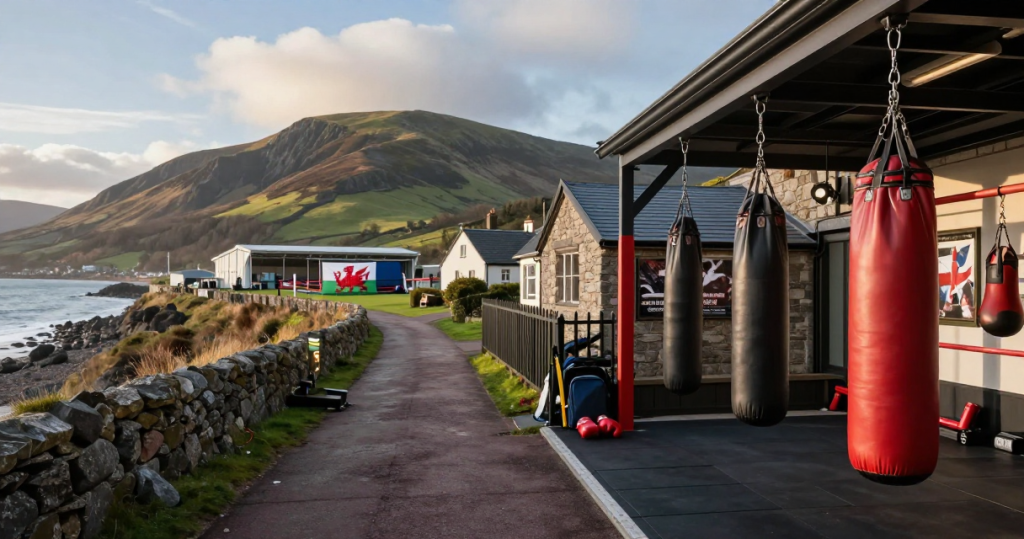
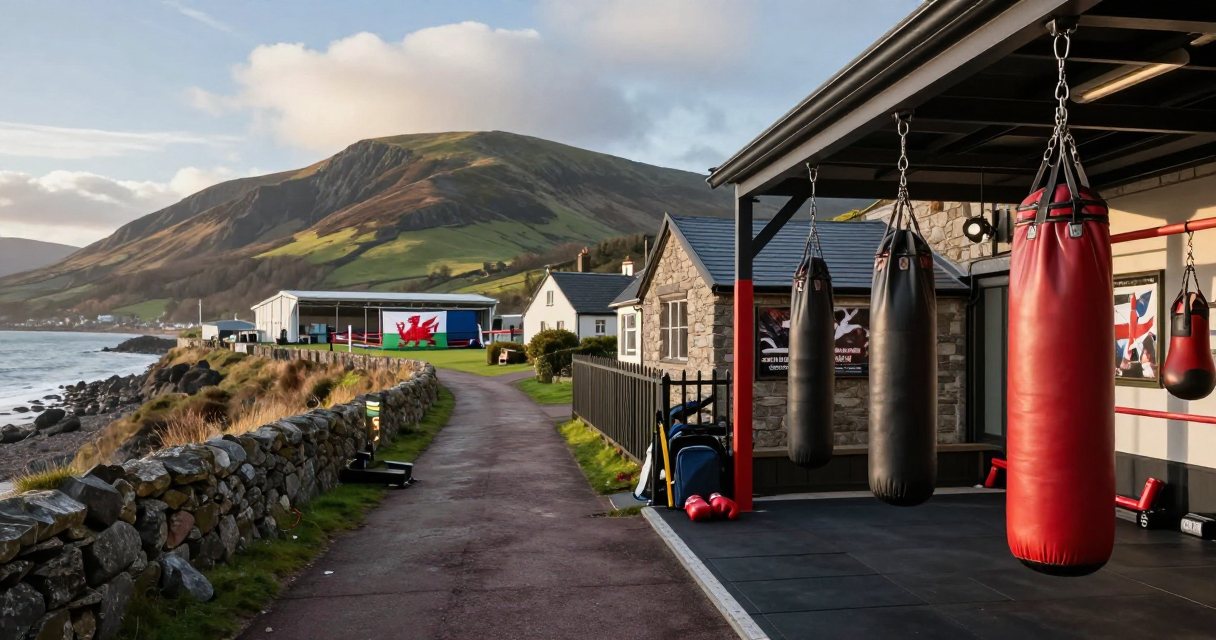
Wales punches well above its weight in the boxing world, yet few fans realise the country offers more than just world-class fighters. Beyond the bright lights of Cardiff’s Principality Stadium and the storied gyms of Merthyr Tydfil, a quiet revolution is turning the nation into a destination for boxing tourism. Travellers now combine scenic coastal paths with sparring sessions, historic pubs with amateur shows, and mountain hikes with strength-and-conditioning camps. This is not sightseeing with gloves on; it is a deliberate journey through the sport’s Welsh heartlands, where every punchbag, ring, and corner has a story.
Why Wales is becoming a boxing tourism hotspot
Wales has produced more world champions per capita than most nations, and that pedigree draws visitors. The country’s compact size means a fan can watch a professional bout in Cardiff on Friday night, train at a community gym in Swansea on Saturday morning, and hike the Brecon Beacons in the afternoon. Unlike larger boxing destinations such as Las Vegas or London, Wales offers intimacy; promoters, coaches, and even former champions often stay behind to chat after events. The Welsh Government’s Active Travel Fund has also upgraded cycle paths and foot trails that link gyms to scenic rest stops, making it easier for visitors to combine training with exploration. Add in the fact that Wales has more boxing clubs per square mile than any other UK nation, and the appeal becomes clear.
Local councils have started to notice the economic boost. In 2023, Rhondda Cynon Taf reported a 12% increase in overnight stays linked to boxing events, while Swansea’s Waterfront Museum hosted an exhibition on Welsh boxing history that attracted 18,000 visitors in six months. Hotels near gyms now offer “boxer’s rates” that include early breakfast and late check-out for sparring sessions. The trend is not accidental; it is the result of deliberate partnerships between tourism boards and boxing federations, who market Wales as the place where you can train like a champion and still catch a sunset over the Gower Peninsula.
The best boxing gyms open to visitors
Swansea’s St Joseph’s Amateur Boxing Club sits above a car park in the heart of the city, yet its walls are lined with signed photos of Joe Calzaghe and Enzo Maccarinelli. The club welcomes visitors for £10 drop-in sessions, and the head coach, a former Welsh amateur champion, will pair you with a local fighter of similar weight. In Cardiff, the iconic Maindy Amateur Boxing Club has expanded its visitor programme to include video analysis sessions; you film your sparring round, then break it down with a coach who has worked with Commonwealth medallists. Further north, Wrexham’s Plas Madoc Leisure Centre runs a “Boxing for Beginners” weekend that combines technique drills with a tour of the town’s boxing heritage trail, which includes the childhood home of former world champion Robbie Regan.
For those who want a more immersive experience, the former coal-mining town of Ferndale in the Rhondda Valley offers a residential boxing camp at the Valley Boxing Academy. The camp runs from Monday to Friday and includes two daily training sessions, nutritional workshops, and a guided walk to the nearby Penrhys pilgrimage site, where fighters traditionally prayed before big bouts. The academy’s founder, a retired professional, still laces up gloves for pad work, and his stories about fighting in the 1980s add a layer of authenticity that commercial gyms cannot match. Visitors should book at least six weeks in advance; the camp only accepts eight participants per week to maintain quality.
Major boxing events that double as tourism draws
Cardiff’s Principality Stadium is the obvious magnet, hosting British title fights that fill 70,000 seats. Yet smaller venues often provide richer experiences for the boxing tourist. The Newport Centre, a 5,000-capacity arena, has become the home of the Welsh Area Championships, where amateur fighters from across the country compete for national honours. The event runs over three days in March, and the organisers offer a “Fan Pass” that includes a meet-and-greet with past champions, a behind-the-scenes tour of the weigh-in area, and a guided walk along the nearby Monmouthshire and Brecon Canal. In 2024, the pass sold out within 48 hours, proving that fans want more than just a ticket; they want a story.
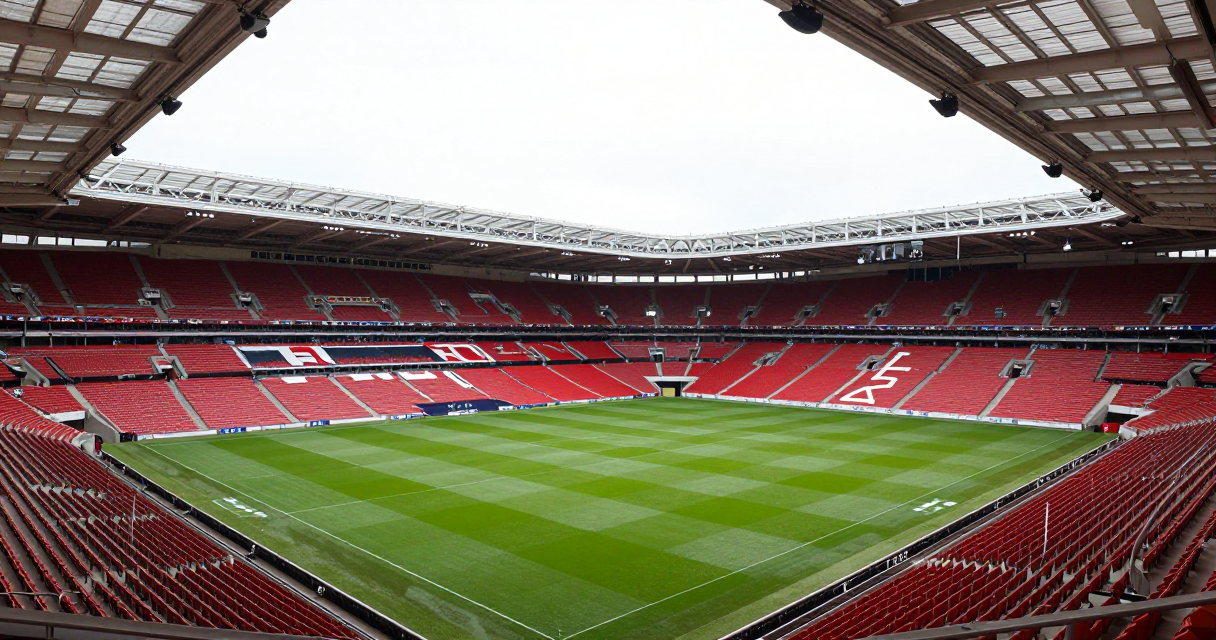
For those who prefer grassroots action, the annual “Valleys vs Coast” amateur show in Port Talbot is a must. The event pits fighters from the industrial valleys against those from the coastal towns, and the rivalry is fierce. Spectators can buy a “Supporter’s Pack” that includes a programme signed by the fighters, a post-bout meal at a local pub, and a discount voucher for the next training session at the host gym. The show sells out the 1,200-seat Aberavon Leisure Centre every year, and local hotels report occupancy rates of 95% for the weekend. The town’s tourism office has even created a self-guided walking tour that links the leisure centre to the steelworks, where many of the fighters’ families once worked.
Boxing-themed walking and cycling routes
The 870-mile Wales Coast Path is dotted with boxing landmarks, but the most rewarding stretch for fans is the 12-mile section between Swansea and Mumbles. The route passes St Joseph’s Amateur Boxing Club, the Oystermouth Amateur Boxing Club, and the childhood home of former British champion Colin Jones. A free downloadable audio guide, narrated by a local historian, explains how the sport shaped the community; for example, the Mumbles pier was once the site of open-air boxing booths where sailors would challenge locals for prize money. Cyclists can follow the National Cycle Network Route 43, which runs from Cardiff to Fishguard and includes stops at the Maindy Amateur Boxing Club and the former training camp of Howard Winstone, who held the world featherweight title in the 1960s.
Inland, the Brecon Beacons offer a different kind of boxing trail. The Beacons Way, a 100-mile long-distance footpath, passes through the village of Talybont-on-Usk, where the Talybont Amateur Boxing Club has produced several national champions. The club’s current head coach, a former Welsh international, leads a monthly “Boxing and Hillwalking” weekend that combines a 10-mile hike with a two-hour sparring session. The hike includes a visit to the Pen y Fan summit, where fighters traditionally run at dawn to build stamina. The weekend costs £85 and includes accommodation at a local bunkhouse, meals, and a post-hike recovery session with a sports therapist. Bookings are taken on a first-come, first-served basis, and the weekends sell out months in advance.
Where to stay: boxing-friendly accommodation
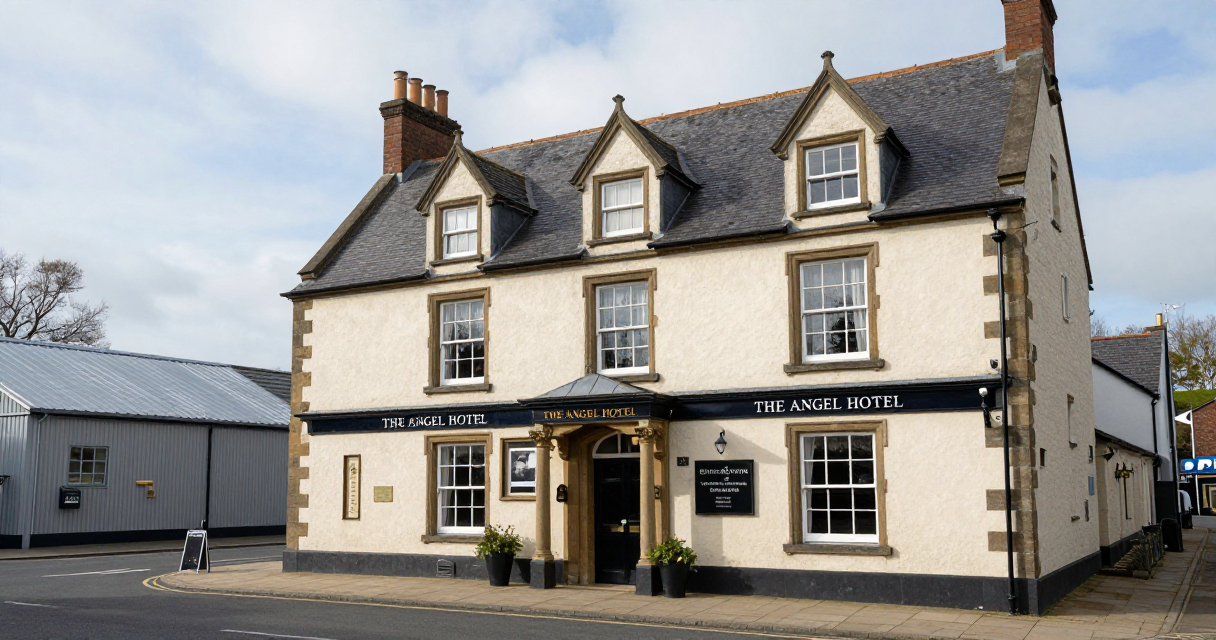
The Angel Hotel in Abergavenny is the unofficial headquarters of Welsh boxing tourism. The 16th-century coaching inn sits opposite the town’s leisure centre, which houses the Abergavenny Amateur Boxing Club. The hotel offers a “Boxer’s Package” that includes a pre-training breakfast of porridge and scrambled eggs, a post-training protein smoothie, and a late check-out for those who want to nap after sparring. The package also includes a discount at the leisure centre’s gym and a free copy of the club’s 50th-anniversary book, which features interviews with former champions. In Cardiff, the Park Plaza Hotel has partnered with the Maindy Amateur Boxing Club to offer a similar package, and its location near the Principality Stadium makes it ideal for fight nights.
For a more rural experience, the Penrhys Hotel in the Rhondda Valley sits at the foot of the mountain where fighters once trained. The hotel’s owner, a former amateur boxer, has converted the old stables into a small gym with a ring, punchbags, and a weights area. Guests can book private sessions with a local coach, and the hotel’s restaurant serves a “Champion’s Platter” of grilled chicken, sweet potato, and steamed vegetables. The hotel is a 10-minute walk from the Valley Boxing Academy, making it a convenient base for those attending the residential camp. In Swansea, the Dragon Hotel offers a “Swansea Bay Boxing Break” that includes a guided tour of the city’s boxing landmarks, a training session at St Joseph’s, and a meal at the nearby Grape and Olive, where Joe Calzaghe once celebrated a world-title victory.
How to meet Welsh boxing legends
Wales has a long tradition of champions giving back to the sport, and many are happy to meet visitors. Enzo Maccarinelli, the former WBO cruiserweight champion, runs a weekly “Legends Night” at the Swansea Bay Amateur Boxing Club. For £25, fans can watch a sparring session, take a photo with Enzo, and get a signed copy of his autobiography. The night includes a Q&A session where Enzo shares stories about his fights with David Haye and Roy Jones Jr. In Cardiff, former British super-middleweight champion Nathan Cleverly hosts a monthly “Boxing Brunch” at the Angel Hotel. The brunch costs £35 and includes a three-course meal, a talk by Nathan about his career, and a chance to handle his championship belts. Both events are advertised on the clubs’ social media pages, and tickets sell out within hours.
For those who want a more personal experience, the Welsh Amateur Boxing Association offers a “Legends Tour” that takes fans to the homes and gyms of retired champions. The tour runs twice a year and includes visits to the childhood home of Howard Winstone in Merthyr Tydfil, the training camp of Robbie Regan in Wrexham, and the gym where Joe Calzaghe first laced up gloves in Newbridge. The tour costs £120 and includes transport, a packed lunch, and a meet-and-greet with a different legend at each stop. The association limits the tour to 12 participants to ensure everyone gets time with the champions. Bookings open in January and July, and the tours are fully booked within days.

Growing up in the valleys, the atmosphere of a local fight night has always felt like home to me. I spend my weekends travelling the length and breadth of Wales to catch amateur and professional bouts, documenting the grit and glory of our fighters.