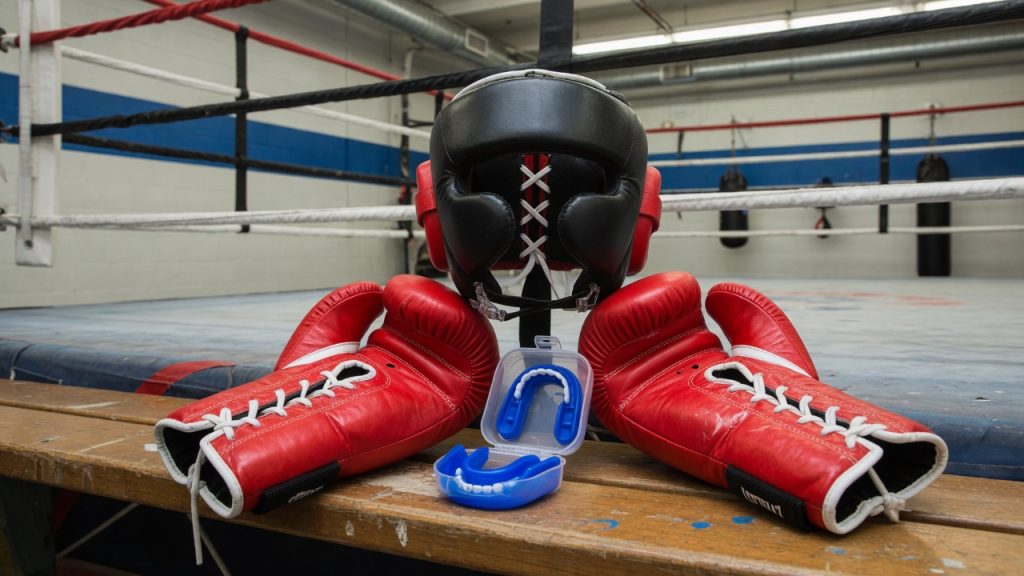
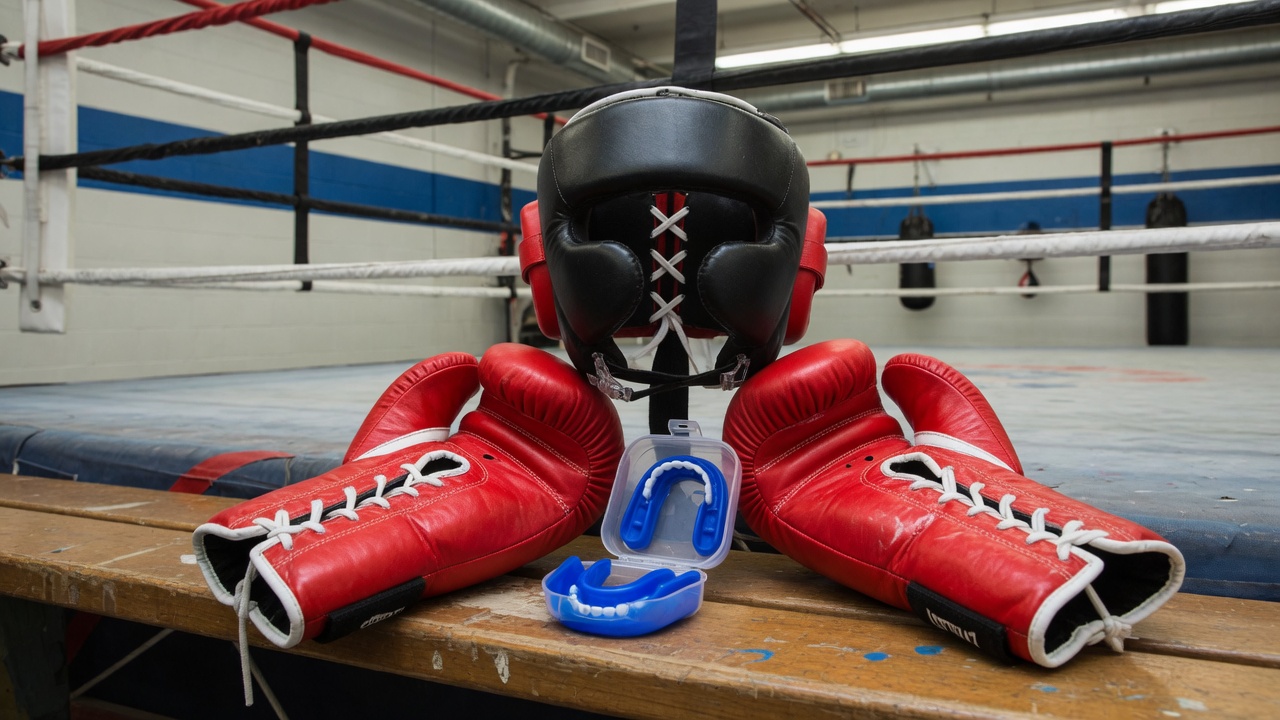
The equipment inspection schedule is designed to maintain ongoing compliance with both national and international boxing regulations. Typically, inspections occur at multiple stages: initially during equipment certification, before each competition, and periodically between events in licensed gyms. This frequent monitoring ensures that all boxing gear remains in optimal condition, effectively minimizing risks associated with faulty or substandard equipment.
Additionally, a detailed log of inspection results is maintained by governing bodies to track compliance history and coordinate any necessary equipment replacements or repairs promptly. This systematic approach reinforces Wales’ commitment to boxer safety while upholding the integrity of the sport through consistent, rigorous boxing equipment checks aligned with prevailing standards.
Penalties for Non-Compliance with Equipment Standards
In Wales, maintaining strict adherence to boxing equipment standards is vital for ensuring the safety and fairness of the sport. Boxing penalties Wales enforces for equipment violations are designed to uphold these standards rigorously. If boxing equipment used in a match fails to meet the prescribed regulations, several consequences may follow.
Firstly, any boxer or team found using non-compliant equipment can face immediate disqualification from the bout. Referees and officials conduct thorough checks before and during matches to detect equipment violations. Additionally, repeated or serious breaches may result in suspensions or fines imposed by the governing bodies overseeing boxing in Wales.
Beyond individual penalties, event organizers can also be held accountable if they fail to ensure all participants use approved equipment. This accountability ensures boxing safety enforcement is comprehensive, covering all levels from competitors to promoters. Such strict measures are essential to prevent injuries and maintain the sport’s integrity.
Ultimately, the penalties for non-compliance serve as a deterrent, emphasizing the importance of using certified gloves, headgear, mouthguards, and other essential boxing equipment according to the Welsh standards. This robust framework of enforcement preserves the well-being of athletes and the reputation of boxing in Wales.
Overview of Boxing Equipment Standards in Wales
Boxing equipment standards in Wales play a crucial role in ensuring the safety and fairness of the sport. Adhering to these standards is essential not only for the protection of the athletes but also for maintaining the integrity of boxing competitions held across Wales. The regulations set forth dictate what types of boxing gear Wales-based boxers must use, ranging from gloves and headgear to mouthguards and boxing boots.
Safety remains the paramount concern in any contact sport, and boxing is no exception. The standards Wales enforces require all boxing equipment to meet specific quality and performance criteria. These regulations help to minimize injury risks by ensuring that all gear offers sufficient protection and durability during training sessions and official matches. For instance, gloves must be of a certain weight and padding level to reduce the impact force, while headgear must cover critical areas effectively to protect against cuts and concussions.
The scope of boxing equipment standards in Wales extends beyond simply defining acceptable gear. These standards also influence the way boxing matches are conducted by setting rules on how and when certain equipment must be worn. This comprehensive approach to regulation helps maintain a level playing field where neither boxer gains undue advantage due to equipment disparities. This fairness principle is a cornerstone of boxing regulations designed to promote competitive spirit and sportsmanship.
Moreover, compliance with boxing equipment standards in Wales is closely monitored by authorized sporting bodies and event organizers. Officials ensure that all boxers entering the ring adhere strictly to these requirements, guaranteeing athletes compete under consistent and safe conditions. This oversight reinforces confidence among participants, coaches, and fans, knowing that a thorough framework supports the sport’s wellbeing.
In conclusion, boxing equipment standards in Wales represent an essential framework that underpins both the safety and competitive fairness of the sport. By following these standards, Wales not only protects its athletes but also upholds the high standards expected within the boxing community. Understanding and respecting these regulations is vital for anyone involved in boxing in Wales, from newcomers to seasoned professionals.
Historical Development of Boxing Regulations
The history of boxing equipment standards in Wales is deeply intertwined with the broader evolution of boxing rules Wales has witnessed over the centuries. Early boxing matches in Wales were largely unregulated, with boxers often using rudimentary or minimal protective gear. As boxing’s popularity grew, so too did concerns regarding the safety and fairness of the sport. This led to the introduction of formal regulations aimed at standardising equipment and protecting athletes.
One of the key milestones in the regulation evolution was the adoption of the Queensberry Rules in the late 19th century, which significantly influenced boxing history Wales. These rules mandated the use of gloves and established round structures, breathing new life into the sport and making it safer for participants. In Wales, governing bodies began to enforce these standards, setting clear requirements for glove weight, size, and other protective equipment.
Throughout the 20th century, Wales saw further refinements in boxing equipment regulations as medical insights and technological advances informed changes. Mandatory headgear, improved gloves, and stricter equipment inspections became commonplace to reduce injuries. Today, the consistent update and enforcement of these standards reflect Wales’ ongoing commitment to athlete safety and the integrity of the sport. This historical evolution of boxing rules Wales demonstrates a steady progression from informal contests to a highly regulated sport emphasizing safety and fairness.
Governing Bodies Overseeing Boxing Equipment
In Wales, boxing authorities play a crucial role in ensuring that all equipment used in the sport meets strict safety and quality standards. The primary regulatory bodies responsible for boxing governance in Wales include Sport Wales and the Welsh Boxing Council. These organisations oversee the implementation and enforcement of equipment standards to maintain fairness and protect the health of boxers.
Sport Wales acts as the main national agency dedicated to developing and promoting sport across Wales, including boxing. It sets broad guidelines and frameworks that clubs must follow regarding the use of boxing gloves, headgear, and other protective equipment. This ensures that all materials are compliant with recognised safety regulations and are suitable for both training and competition.
The Welsh Boxing Council complements Sport Wales by managing the day-to-day governance of amateur boxing clubs and events. It plays an active role in certifying equipment, conducting regular checks during boxing matches, and responding to any concerns raised about equipment standards. The council’s responsibilities also extend to educating coaches and athletes about proper equipment use and maintenance.
Together, these regulatory bodies ensure that boxing governance in Wales upholds high standards, prioritising boxer safety and fair play. Their combined oversight guarantees that all boxing equipment adheres to national and international rules, fostering a secure and competitive environment for Welsh boxers at all levels.
Mandatory Equipment Requirements for Welsh Boxing Competitions

Welsh boxing competitions enforce strict mandatory boxing gear standards to ensure safety, fairness, and consistency among all participants. Every official match in Wales requires adherence to specific equipment guidelines, ranging from boxing gloves and headgear to mouthguards and boxing ring specifications. These requirements are in place to protect the athletes and maintain the integrity of the sport.
The mandatory boxing gear begins with the gloves. All boxers must use boxing gloves Wales-approved according to national standards. These gloves typically weigh between 8 to 10 ounces depending on the weight class of the competitors, and they must be properly padded to minimize injury. The gloves should also fit snugly and securely, ensuring protection of the hands while delivering effective strikes. Usage of gloves not meeting these specifications is strictly prohibited in official Welsh bouts.
Headgear standards in Welsh boxing competitions are equally critical. Competitors are required to wear protective headgear that complies with the regulatory standards set by the Welsh boxing authorities. This headgear must provide ample coverage of the forehead, temples, and back of the head to reduce the risks of cuts and concussions. The design must also ensure clear visibility, allowing boxers to maintain awareness throughout the match. Only official headgear meeting these standards is permitted in the ring.
Mouthguards are another essential piece of mandatory boxing gear. Every boxer must wear a properly fitted mouthguard to protect their teeth and reduce the risk of mouth injuries during bouts. The mouthguard must be made from durable materials that can absorb impact efficiently and should be custom-fitted or boil-and-bite types to ensure maximum protection. Referees routinely check mouthguards before matches begin to confirm compliance.
Beyond personal protective equipment, boxing ring specifications are closely regulated in Welsh boxing competitions. Official rings must measure between 16 to 20 feet square within the ropes, providing ample space for athletes to maneuver while ensuring safety. The ring platform should be at a height that allows clear visibility for officials and spectators without compromising boxer safety. Padding around the ring posts and on the canvas surface are mandatory to prevent injuries from falls or collisions during intense matches.
In summary, the mandatory equipment requirements for Welsh boxing competitions cover every aspect of safety and performance. From the detailed standards for boxing gloves Wales endorses, strict headgear standards, essential mouthguards, to carefully defined boxing ring specifications, these regulations uphold high standards for the sport. Compliance with these guidelines is crucial for all participants in Welsh official boxing matches.
Specifications for Gloves and Protective Gear
In Wales, boxing gloves and protective gear must adhere to strict standards to ensure the safety of all participants. The boxing gloves Wales mandate require gloves to be made of high-quality leather with proper padding that evenly distributes impact to reduce injury risk. Typically, the glove padding must be a minimum of 12 oz for amateur boxers, with professional regulations allowing gloves from 8 oz and upwards depending on the weight class.
Protective gear standards in Wales specify that all gear, including headgear, mouthguards, and groin protectors, must meet recognized safety certifications, such as those approved by the British Boxing Board of Control. Headgear is required to have ample padding, especially around the forehead and temple areas, to minimize concussion risks. The size and fit of the gloves and protective gear must be appropriate to the boxer’s hand size and body frame, ensuring full coverage without restricting movement.
All boxing safety equipment used in Wales is subject to rigorous inspection prior to matches and training sessions. This includes checking for compliance with weight limits, padding thickness, and structural integrity. These regulations aim to maintain a safe environment for boxers while upholding the competitive spirit of the sport. It is essential for trainers and athletes to ensure their boxing gloves Wales and protective gear meet these standards to prevent avoidable injuries in the ring.
Ring and Competition Area Regulations
The standards for a boxing ring in Wales are strictly regulated to ensure athlete safety and fair competition. According to Welsh boxing authorities, the boxing ring must adhere to specific size and construction guidelines. The competition area is traditionally square, with the standard size ranging between 16 to 20 feet inside the ropes. This size provides ample space for movement while keeping the fighters close enough for effective engagement.
Construction-wise, the boxing ring in Wales must be sturdy and stable. It typically consists of a raised platform, no less than 3 feet high, supported by strong steel or wooden framing to withstand the impact and weight of the fighters. The flooring surface must have adequate padding beneath the canvas to reduce injury risks from falls and ensure a non-slip environment. The ropes, usually four in number, should be tightly secured and padded, with the lowest rope positioned at least 18 inches above the platform to prevent fighters from slipping through.
Safety features are paramount in Welsh competition area standards. Corner posts must be securely fastened, and padding must be in place to protect fighters from injuries during close contact with the structure. Additionally, the ring must be inspected regularly to meet boxing venue requirements and maintain compliance with regulatory bodies. These regulations guarantee that all boxing venues in Wales provide a safe and standardized competition area for all bouts.
Compliance and Inspection Procedures for Boxing Equipment

In Wales, ensuring the safety and fairness of boxing matches is paramount, which is why strict compliance and equipment inspection protocols are rigorously enforced before any sanctioned event. The process for equipment inspection in Wales follows precise guidelines that align with national and international boxing standards. Promoters, officials, and athletes rely on these measures to guarantee that all boxing gear used in the ring meets the required safety benchmarks established by Welsh regulatory bodies.
Before an event, a detailed equipment inspection is conducted by qualified inspectors who are trained specifically in equipment inspection Wales standards. These inspectors verify that all gloves, headguards, mouthguards, and protective padding conform to prescribed dimensions, materials, and weight limits. For instance, boxing gloves must meet certification criteria that confirm their padding density, stitching quality, and overall durability to minimize injury risk. This thorough boxing compliance check ensures that all fighters compete on an even playing field with properly certified equipment.
The inspection process typically begins several hours before the scheduled fight. Inspectors use calibrated devices and visual checks to authenticate that boxing gloves and gear carry valid boxing equipment certification marks issued by recognized bodies. These certification marks indicate the product has passed all necessary safety tests and complies fully with Welsh boxing safety regulations. Should any piece of equipment fail these inspections, it is immediately disqualified from use, and replacements must be provided that meet the compliance standards.
Another critical aspect of boxing compliance in Wales is the ongoing education and training provided to athletes and trainers about safety checks boxing gear must undergo regularly. This education helps promote a culture of safety and awareness among the boxing community. Event officials also maintain detailed audit trails documenting each inspection and certification, which can be referenced in case of disputes or regulatory reviews.
In sum, the robust equipment inspection Wales system serves multiple vital functions: protecting boxer safety, maintaining the integrity of the sport, and ensuring all boxing equipment certification is transparent and up to date. These established procedures demonstrate Wales’ commitment to upholding the highest standards in boxing, providing confidence to athletes, organizers, and fans alike that every bout is conducted under the safest possible conditions.
Inspection Protocols and Frequency
In Wales, strict inspection protocols are followed to ensure that all boxing equipment meets established safety and quality standards. These protocols involve a comprehensive review of gloves, headgear, mouthguards, and ring components before each official event. Trained inspectors conduct thorough boxing equipment checks to identify any signs of wear, damage, or defects that could compromise a boxer’s safety.
The equipment inspection schedule is designed to maintain ongoing compliance with both national and international boxing regulations. Typically, inspections occur at multiple stages: initially during equipment certification, before each competition, and periodically between events in licensed gyms. This frequent monitoring ensures that all boxing gear remains in optimal condition, effectively minimizing risks associated with faulty or substandard equipment.
Additionally, a detailed log of inspection results is maintained by governing bodies to track compliance history and coordinate any necessary equipment replacements or repairs promptly. This systematic approach reinforces Wales’ commitment to boxer safety while upholding the integrity of the sport through consistent, rigorous boxing equipment checks aligned with prevailing standards.
Penalties for Non-Compliance with Equipment Standards
In Wales, maintaining strict adherence to boxing equipment standards is vital for ensuring the safety and fairness of the sport. Boxing penalties Wales enforces for equipment violations are designed to uphold these standards rigorously. If boxing equipment used in a match fails to meet the prescribed regulations, several consequences may follow.
Firstly, any boxer or team found using non-compliant equipment can face immediate disqualification from the bout. Referees and officials conduct thorough checks before and during matches to detect equipment violations. Additionally, repeated or serious breaches may result in suspensions or fines imposed by the governing bodies overseeing boxing in Wales.
Beyond individual penalties, event organizers can also be held accountable if they fail to ensure all participants use approved equipment. This accountability ensures boxing safety enforcement is comprehensive, covering all levels from competitors to promoters. Such strict measures are essential to prevent injuries and maintain the sport’s integrity.
Ultimately, the penalties for non-compliance serve as a deterrent, emphasizing the importance of using certified gloves, headgear, mouthguards, and other essential boxing equipment according to the Welsh standards. This robust framework of enforcement preserves the well-being of athletes and the reputation of boxing in Wales.

Growing up in the valleys, the atmosphere of a local fight night has always felt like home to me. I spend my weekends travelling the length and breadth of Wales to catch amateur and professional bouts, documenting the grit and glory of our fighters.