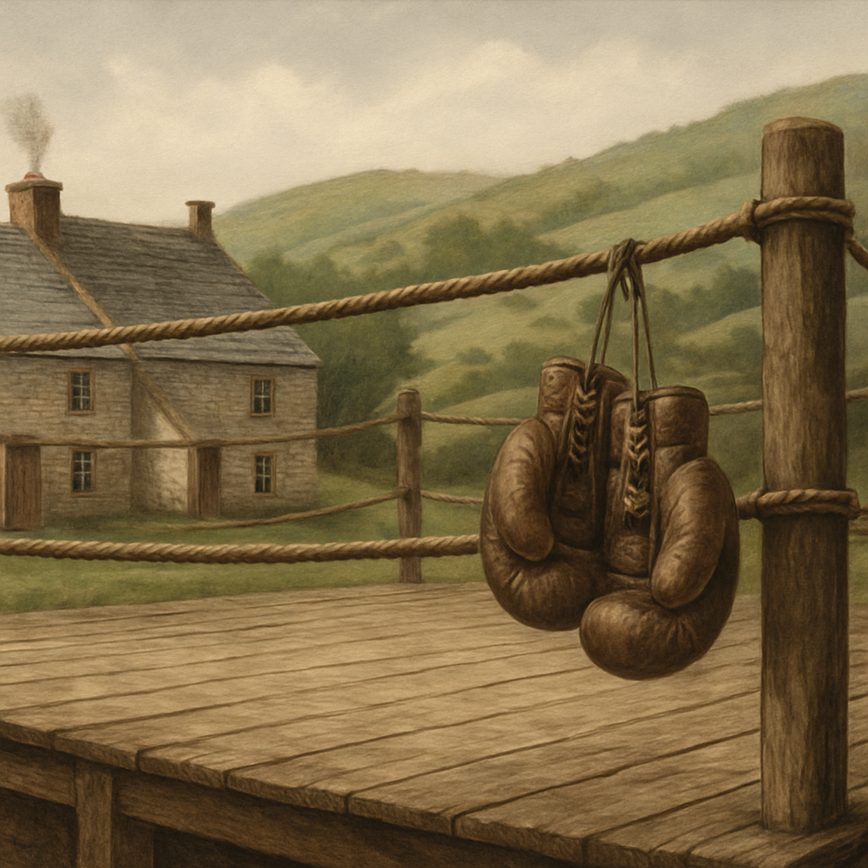
Historical roots of boxing in Wales
The boxing history in Wales is a rich tapestry that intertwines sport with cultural identity. Welsh boxing origins can be traced back to the 18th and 19th centuries when bare-knuckle fighting began to gain popularity among working-class communities, particularly in the coal mining regions. This era marked the initial development of boxing traditions in Wales, where the sport became more than just a competition—it evolved into a symbol of resilience and local pride.
Early boxing matches in Wales were often held at fairs and gatherings, providing a communal outlet for expression and physical prowess. These bouts were raw and unregulated compared to modern boxing, but they laid the foundation for the sport’s growth. The cultural significance of boxing in Wales grew as it offered a way for working men to escape the hardship of industrial life while fostering a sense of identity linked to their homeland.
By the late 19th century, formal boxing clubs began to appear across Welsh towns and cities, contributing to the organized evolution of boxing history in Wales. These clubs not only promoted the sport but also nurtured talent that would go on to achieve national and international recognition. Welsh boxing origins are deeply rooted in these communities where families often passed down their passion for boxing from generation to generation, reinforcing a strong boxing tradition in Wales.
Boxing traditions in Wales are distinct in their emphasis on courage, endurance, and community spirit. The sport has become a cultural emblem, celebrated in local folklore and annual events. It reflects the values of determination and solidarity that have historically defined Welsh identity. The historical roots of boxing in Wales thus highlight a unique fusion of sport and cultural heritage that continues to shape the nation’s identity to this day.
Boxing in Welsh working-class communities
Boxing has long held a significant place within working-class sports in Wales, emerging as more than just a pastime but a vital social institution. In many Welsh communities, where industrial labor shaped daily life, boxing offered an accessible and respected outlet for physical and emotional expression. The sport’s rise in popularity among working-class communities can be traced back to the early 20th century when mining towns and urban centers developed strong boxing cultures centered around local gyms and clubs.
Welsh boxing culture fostered a sense of identity and pride, serving as a beacon of hope and resilience amid economic hardships. These boxing communities were not only spaces for training and competition but also hubs for social interaction and mutual support. Young men found in boxing an opportunity to channel their energies productively, often seeing it as a route to social mobility and recognition beyond the confines of their industrial roots.
The social role of boxing in these communities extended beyond sport itself, reinforcing values such as discipline, perseverance, and camaraderie. Its prominence highlighted the cultural importance of working-class sports in Wales, reflecting broader themes of struggle, solidarity, and aspiration. Thus, boxing became deeply ingrained in the fabric of Welsh working-class life, symbolizing both personal and collective strength.
Notable early Welsh boxing figures
Welsh boxing legends have played a crucial role in shaping the national interest in the sport, leaving an indelible mark on both Welsh culture and boxing history. Among the historical boxers Wales proudly remembers is Jimmy Wilde, often regarded as one of the greatest flyweights in boxing history. Wilde’s incredible skill and relentless determination made him a household name, inspiring generations to take up the sport. Another pioneering figure is Tom Thomas, who was known for his powerful punches and tactical prowess inside the ring, contributing significantly to boxing’s growing popularity across Wales during the early 20th century.
These boxing pioneers Wales produced not only dazzled fans with their talent but also fostered a sense of pride and identity within the nation. Their achievements on the international stage showcased the strength and resilience of Welsh fighters, helping to establish a lasting tradition of boxing excellence in the country. The legacy of such early figures paved the way for later stars and solidified boxing as a key element of Welsh sports culture, connecting communities through shared passion and national pride.
In highlighting the remarkable contributions of Welsh boxing legends, we can appreciate how this rich history continues to influence the sport today. Their stories of dedication and success remain a vital part of Wales’ heritage and encourage new talent to emerge, keeping the spirit of the boxing pioneers Wales cherishes very much alive.
Boxing as an expression of Welsh national identity
Boxing has long stood as a powerful medium for expressing national identity in Wales, uniquely intertwining sport with cultural pride. Across local and international arenas, the sport transcends mere competition, becoming a vivid reflection of Welsh heritage and communal spirit. Welsh pride in boxing is not only about the victories and titles but also about the representation of a resilient and proud people on the global stage.
The sport’s deep roots in working-class communities, particularly in mining towns and industrial centers, have cultivated a collective cultural expression that resonates strongly with the Welsh identity. Fighters often emerge from humble beginnings, embodying the determination, toughness, and solidarity that are emblematic qualities in Welsh culture. This connection between athletic endeavor and socio-economic background lends boxing a symbolic weight, transforming each bout into an expression of national endurance and pride.
On local stages, boxing gyms serve as cultural hubs where tradition and national pride are passed down through generations. These spaces are not merely training centers but arenas where language, customs, and collective memories are maintained. Boxers often carry the Welsh flag into the ring, visibly asserting their national identity and honoring their roots. The communal support at these events reinforces a shared sense of belonging and a celebration of Welshness that extends beyond the sport itself.
Internationally, Welsh boxers act as ambassadors of national identity, showcasing the distinctiveness of Wales on a broader platform. Their successes resonate far beyond personal achievement, igniting a sense of collective pride among Welsh people worldwide. Each international fight is an opportunity to challenge stereotypes and assert Wales as a nation rich in talent and cultural depth. This global visibility through boxing bolsters Wales’ identity and fosters unity among its diaspora, linking sport with national sentiment.
Moreover, boxing’s narrative in Wales encapsulates themes of struggle, resilience, and triumph that align closely with the nation’s historical and cultural experiences. Welsh boxers’ journeys often parallel those of the nation’s path—overcoming adversity, maintaining cultural distinctiveness, and striving for recognition. In this light, boxing emerges not just as a sport but as a meaningful cultural expression, reinforcing national identity in dynamic and visible ways across both local communities and international arenas.
Representation of Wales in international boxing
Welsh boxers international have played a significant role in elevating Wales’ stature on the global sporting stage. The achievements of these athletes go beyond individual success; they symbolize the resilience and talent inherent in Wales’ rich boxing tradition. Through their accomplishments, Welsh boxers have contributed profoundly to Wales boxing representation worldwide, inspiring national pride sport among the Welsh people and reinforcing a collective identity rooted in their sporting heritage.
The international success of Welsh fighters—from world champions to respected contenders—has fostered a sense of unity and pride in national achievements. Each victory in the ring is not just a personal milestone but a clear statement of Wales’ competitive spirit and dedication to excellence in boxing. These moments on the international stage have helped solidify the sport’s importance in Welsh culture, providing role models for future generations and enhancing Wales’ visibility in global sports.
Moreover, the representation of Wales in international boxing has served to challenge stereotypes and highlight the country’s distinct identity. Welsh boxers carry the hopes and narratives of their nation into international arenas, making their performances a source of collective celebration. This dynamic interaction between sport and national self-image strengthens the community’s bonds and showcases Wales as a proud nation passionate about boxing as a national pride sport.
Symbolism and cultural narratives in Welsh boxing
Welsh boxing is steeped in rich symbolism and powerful cultural narratives that play a significant role in reinforcing Welsh identity. Boxing symbolism in Wales often reflects the resilience, grit, and communal spirit that define the Welsh people. The sport is not merely a competition but a cultural expression where every punch thrown carries the weight of historical struggle and national pride. Across generations, stories of legendary Welsh boxers have become modern myths that inspire and unify communities.
The cultural narratives within Welsh boxing celebrate the underdog spirit, often portraying boxers as symbolizing the working-class hero who fights against the odds. This narrative resonates deeply in Wales, where boxing has been intertwined with mining and industrial communities. These stories are passed down as folklore, reinforcing a shared identity that marries athletic endeavor with the broader Welsh experience.
Moreover, Welsh boxing identity is marked by iconic imagery — from the red dragon to the valleys’ harsh landscapes — which embody both the physical and symbolic battleground of the sport. Together, the boxing symbolism Wales embraces and the cultural narratives sport creates weave a collective memory, anchoring Welsh pride firmly within the boxing ring and beyond. This synergy between sport and culture continues to nurture a strong sense of belonging and national identity in Wales.
Contemporary impacts of boxing on community and identity in Wales
In modern boxing Wales has evolved into more than just a competitive sport; it has become a vital part of the social fabric of many Welsh communities. The community impact sport holds extends far beyond the ring, fostering social cohesion and reinforcing a collective identity among its participants and supporters. Today, boxing gyms across Wales serve as pivotal community hubs where individuals of various ages and backgrounds come together, united by a shared passion and the discipline the sport demands.
The modern boxing scene in Wales is deeply intertwined with the nation’s cultural and social identity. Welsh identity boxing is often expressed through the pride fighters take in representing their local areas and the country on a broader stage. This representation strengthens local pride, offering young people role models who embody perseverance, resilience, and determination—qualities highly valued in Welsh culture. These role models contribute significantly to community morale and inspire participation not only in boxing but in broader societal activities.
The community impact sport can have is particularly noticeable in economically challenged regions where boxing clubs offer safe spaces away from social issues such as crime and unemployment. These clubs provide structure, mentorship, and a sense of belonging, which are critical in fostering positive social behavior and self-worth. Boxing’s influence in such communities contributes actively to social cohesion, knitting people together across different social strata and generations.
Moreover, the sport acts as a cultural conduit, connecting the past and present by maintaining longstanding traditions in Wales. Events and matches often celebrate not only athletic prowess but also Welsh heritage and local stories, amplifying the sport’s role in preserving and promoting national identity. In this way, modern boxing Wales serves as an emblem of resilience—both individual and collective—strengthening ties within communities and affirming a shared Welsh identity.
Ultimately, the contemporary role of boxing in Welsh communities goes beyond sport. It acts as a catalyst for social unity, personal development, and cultural pride, solidifying its place as a cornerstone of Welsh identity and community life. The ongoing relevance of boxing in Wales reflects a unique intersection where sport, culture, and social impacts collectively shape and celebrate what it means to be Welsh in the modern era.
Boxing gyms and youth culture in Wales
Boxing gyms play a crucial role in youth development and cultural identity in Wales today. These gyms serve as important community hubs where young people can engage in physical activity, learn discipline, and build self-confidence. Youth boxing in Wales offers an accessible sport that encourages teamwork, respect, and resilience, helping to shape positive attitudes and behaviors among Welsh youth. Beyond the physical benefits, boxing gyms foster a sense of belonging and pride, connecting young boxers to their local communities and Welsh heritage.
Many boxing gyms in Wales are deeply embedded within their communities, providing safe spaces that support not only athletic training but also social interaction and mentorship. This community aspect is vital in promoting inclusion and reducing social isolation amongst youth. The culture within these gyms often reflects the broader Welsh values of hard work, perseverance, and solidarity, which helps reinforce national identity while promoting healthy lifestyles through sport.
As Welsh youth engage with boxing gyms, they gain more than just sporting skills; they become part of a tradition that celebrates Welsh strength and determination. The continued popularity of boxing gyms as centers for young people’s sport in Wales demonstrates their ongoing importance in nurturing both physical and cultural development. These gyms remain key to sustaining Welsh youth sport by inspiring new generations to embrace boxing as a meaningful part of their growth and identity.
Challenges and opportunities for boxing in modern Wales
Boxing in Wales faces a range of challenges that affect its position as a cultural sport deeply intertwined with national identity. One major obstacle is the competition with more commercially popular sports, which often attract greater funding and media attention. This limits resources available for boxing clubs and hampers initiatives aimed at grassroots engagement. Additionally, socio-economic factors in some Welsh communities create barriers to consistent participation, despite boxing’s historic role as a sport offering social mobility and personal development.
Another challenge lies in maintaining the sport’s cultural relevance while adapting to modern expectations around health, safety, and inclusivity. The image of boxing needs continual refreshing to appeal to younger generations who might be more attracted to emerging sports. Moreover, the infrastructure for sport development in Wales must evolve to support talent identification and nurture athletes from diverse backgrounds, ensuring the sport’s accessibility across the country.
Despite these challenges, the future of Welsh boxing holds significant opportunities. There is growing potential for the sport to leverage its rich heritage as a tool for community cohesion and national pride. Investment in coaching and facilities, paired with strategic promotion, could boost interest and participation. Furthermore, Wales’s vibrant boxing history can inspire new narratives that resonate beyond the ring, contributing positively to the sport development landscape in Wales and securing a dynamic future for Welsh boxing.

Growing up in the valleys, the atmosphere of a local fight night has always felt like home to me. I spend my weekends travelling the length and breadth of Wales to catch amateur and professional bouts, documenting the grit and glory of our fighters.