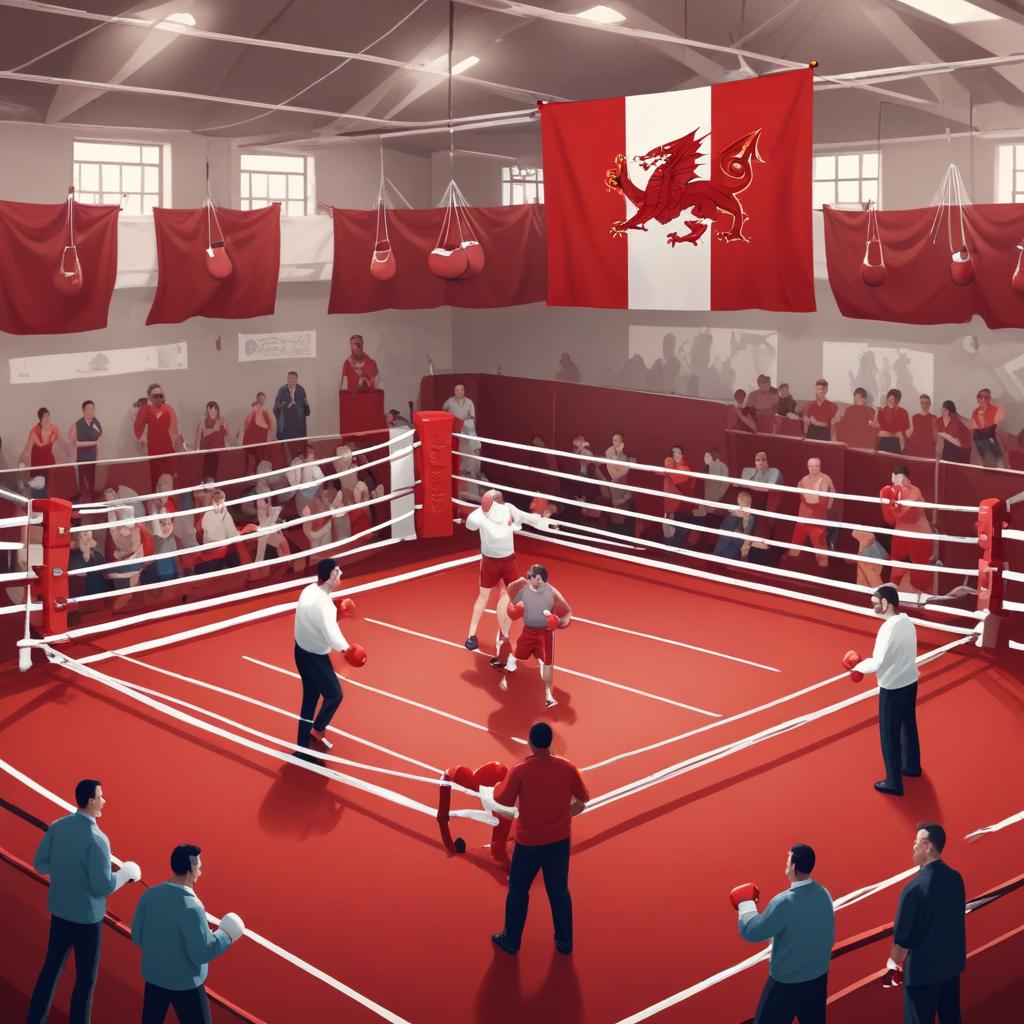
Overview of Coaching Structures in Welsh Boxing
Welsh boxing boasts a distinct and well-established coaching structure that has evolved over decades to support the growth and development of the sport throughout Wales. The coaching frameworks in Welsh boxing are deeply rooted in tradition while also embracing modern training methodologies, making them uniquely suited to nurturing talent across all levels of the sport.
Historically, the coaching structures in Wales began with local boxing clubs, which served as the foundational units for training young boxers. These clubs were often community-driven, relying heavily on volunteer coaches who passed down skills and knowledge through hands-on experience and mentorship. Over time, a more formalised system emerged, incorporating structured coaching qualifications and regional development programs aimed at raising the standard of boxing training in Wales.
At the core of the organisational setup is the Welsh Boxing Association, the governing body responsible for overseeing boxing activities across the country. The Association not only coordinates competitions and athlete representation but also plays a pivotal role in setting coaching standards. Through close collaboration with regional training centres, it ensures coaches receive professional development and certification tailored to the needs of Welsh boxing.
One of the defining features of these coaching structures is their emphasis on a holistic approach to boxing training in Wales. Coaches focus not only on technical skills but also on physical conditioning, psychological preparation, and sportsmanship. This comprehensive approach equips boxers with the tools necessary to compete successfully at both amateur and professional levels.
In recent years, the coaching frameworks have continued to adapt by integrating new technologies and training philosophies. Video analysis, strength and conditioning science, and nutritional guidance are now common elements incorporated into the training regimens offered by Welsh boxing coaches. This evolution keeps Wales competitive on the international stage, ensuring that coaching structures remain relevant and effective in today’s high-performance sporting environment.
Overall, the unique coaching structures and organisational setup in Welsh boxing represent a blend of tradition, community engagement, and progressive training methods. Their historical development has laid a strong foundation, while ongoing innovation is securing their role as essential drivers of boxing excellence in Wales.
Historical Evolution of Welsh Boxing Coaching
The history of Welsh boxing is deeply intertwined with its rich sporting traditions, reflecting a dynamic coaching evolution that has seen significant transformation over the decades. In the early days, coaching in Wales was informal and largely based on passed-down techniques from seasoned pugilists within local communities. These early boxing traditions in Wales emphasized physical toughness and raw skill, with young fighters often learning through apprenticeships and one-on-one mentorship rather than structured training programs.
As the sport grew in popularity, especially during the mid-20th century, coaching methods began to formalize. Influences from the broader British boxing scene, along with advances in sports science, prompted Welsh trainers to adopt more systematic approaches. This period marked a shift towards disciplined training regimes that incorporated strategy, conditioning, and technical precision, helping to elevate the standard of Welsh fighters on the national and international stage.
The coaching evolution in Welsh boxing has also been shaped by cultural pride and resilience, with many programs focusing on fostering community spirit alongside athletic excellence. Modern Welsh boxing coaches blend tradition with innovation, ensuring fighters benefit from both time-honored techniques and cutting-edge training methods. This hybrid approach underlines the unique heritage and ongoing progression within the history of Welsh boxing, securing its place as a vibrant and respected sporting tradition in Wales.
Key Organisations Governing Coaching
Welsh boxing organisations play a vital role in maintaining high standards and structured development within the sport, particularly in coaching. The foremost body governing boxing governance in Wales is the Welsh Boxing Association (WBA). The WBA is responsible for overseeing amateur boxing and ensuring coaches are adequately trained and qualified to nurture talent effectively. They coordinate coaching certification programs that align with national standards and promote ethical coaching practices.
Alongside the WBA, the Welsh Amateur Boxing Board (WABB) also contributes significantly to coaching frameworks. The WABB focuses on grassroots development, providing support and resources to local clubs to help elevate their coaching quality. This association ensures that coaching bodies across Wales adhere to consistent guidelines that safeguard athletes’ welfare while encouraging technical excellence.
In addition, the Sport Wales organization complements these efforts by funding and supporting initiatives aimed at coach education and professional development within Welsh boxing. Together, these organisations establish a collaborative network that supports coaches from the entry level to elite standards, fostering a sustainable future for boxing in Wales through robust governance and comprehensive coaching frameworks.
Training Methodologies and Coaching Techniques
Welsh boxing has long been recognized for its distinctive style and effective coaching techniques, which are deeply rooted in tradition yet continuously evolving. The boxing training methods employed by Welsh coaches emphasize a combination of technical skill development, physical conditioning, and mental preparation, creating well-rounded fighters who excel both in the ring and beyond.
One of the core boxing training methods used in Welsh gyms is the focus on fundamental techniques, including footwork, defensive maneuvers, and precise punch execution. Coaches pay meticulous attention to developing agility and balance, enabling fighters to maintain optimum positioning and react quickly during bouts. This foundational training is often delivered through repetitive drills that reinforce muscle memory and improve coordination.
An unmistakable feature of Welsh coaching techniques is the integration of intense conditioning sessions tailored to build endurance and power. This includes circuit training, sprint intervals, and plyometric exercises that enhance explosiveness. Welsh coaches often combine traditional boxing drills with innovative approaches such as high-intensity interval training (HIIT) to maximize cardiovascular fitness while preserving speed and stamina.
Distinctive to the Welsh boxing style is the emphasis on strategic sparring and situational training. Coaches encourage fighters to engage in controlled sparring bouts that replicate various fight scenarios, fostering adaptability and sharp tactical thinking. This method helps boxers anticipate opponents’ moves and sharpen their defensive and offensive strategies in real-time, a factor that distinguishes Welsh fighters in competition.
Mental toughness is another pillar of Welsh coaching techniques, with psychological conditioning gaining prominence in recent years. Coaches integrate visualization exercises, goal-setting practices, and stress management strategies to build confidence and resilience. This holistic approach ensures that Welsh boxers are not only physically prepared but also mentally primed to face the pressures of competitive boxing.
Ultimately, the combination of traditional boxing training methods with modern coaching techniques contributes to the unique Welsh boxing style. This blend equips fighters with a comprehensive skill set, physical endurance, and a tactical mindset that has produced numerous champions. Welsh coaches continue to innovate while honoring their heritage, fostering a vibrant boxing culture that remains highly respected on the global stage.
Physical Conditioning and Skill Development
In Welsh boxing, physical conditioning plays a crucial role in preparing athletes for the rigors of the sport. Coaches emphasize a comprehensive approach to boxing fitness in Wales that integrates cardiovascular endurance, strength training, agility, and flexibility. The conditioning regimes are designed to enhance a boxer’s stamina, power, and overall physical resilience, enabling them to withstand the physical demands of both training and competition.
Skill development is equally prioritized, focusing on refining techniques such as footwork, punching accuracy, defensive maneuvers, and strategic ring awareness. Welsh boxing coaches use a blend of traditional drills and modern training methods to cultivate these skills. Regular sparring sessions and technical workshops allow boxers to apply their skills in simulated fight scenarios, fostering quick decision-making and adaptability.
Moreover, coaching structures in Wales emphasize a balanced integration of physical and technical training. This dual focus ensures that athletes develop not only peak physical condition but also the tactical acumen needed to excel in the ring. Through tailored programs, Welsh boxing coaches nurture well-rounded athletes capable of competing successfully at various levels, highlighting the importance of both physical conditioning and skill training in boxing fitness Wales.
Mental Preparation and Tactical Coaching
Within Welsh boxing structures, mental preparation and tactical coaching play a pivotal role in shaping successful athletes. Mental resilience is cultivated through rigorous psychological training sessions designed to enhance focus, emotional control, and stress management under pressure. Coaches emphasize the importance of mindset, encouraging boxers to develop unwavering confidence and the ability to stay calm in high-stakes situations. This mental toughness becomes a foundation that supports physical performance and aids in overcoming challenges in the ring.
Tactical coaching in Welsh boxing integrates comprehensive boxing strategy tailored to each athlete’s strengths and weaknesses. Coaches work closely with boxers to analyze opponents, plan fight strategies, and adapt techniques dynamically during bouts. This approach ensures that athletes are not only physically prepared but also strategically equipped to anticipate and counter their opponent’s moves effectively. Tactical thinking is reinforced through video analysis, scenario-based drills, and real-time feedback during sparring sessions.
The synergy of mental preparation and tactical coaching enhances overall athlete performance, enabling Welsh boxers to execute their boxing strategy with precision and confidence. These coaching practices help develop a holistic boxer who can maintain focus, make smart decisions under duress, and adapt tactics fluidly as the fight unfolds. Ultimately, this comprehensive coaching framework is key to producing resilient and strategically adept boxers in Wales.
Development Pathways for Aspiring Welsh Boxers
The journey of an aspiring boxer in Wales is built upon well-established boxing development pathways designed to support athlete progression from grassroots levels to professional careers. These structured pathways ensure that young and upcoming boxers receive the necessary coaching, mentoring, and competitive experience to thrive within Welsh boxing careers.
At the foundation of these pathways are local boxing clubs that serve as entry points for young athletes. Coaches at this level focus on foundational skills and fostering a passion for the sport. These clubs provide the earliest structured environment where boxers can engage in regular training sessions and participate in local competitions to build confidence and skillsets.
As boxers demonstrate commitment and capability, they are encouraged to progress through a tiered coaching program that includes performance development and specialized training. Welsh boxing development pathways incorporate targeted coaching modules that cater to different age groups and skill levels, ensuring gradual progression through well-defined stages. These pathways are designed to identify talent early and nurture it through tailored coaching and competitive exposure.
Competitive levels play a crucial role in athlete progression. Welsh boxers advance from local and regional contests to national championships and, ultimately, international tournaments. This graduated competitive structure provides opportunities for boxers to continuously test themselves against increasingly skilled opponents, sharpening their technique and mental resilience.
Alongside physical training and competition, mentorship and education form key components of the coaching framework. Experienced coaches guide young boxers not only in technical skills but also in areas such as nutrition, sports psychology, and injury prevention. This holistic approach within the development pathways equips Welsh boxers with the tools needed for sustained success in their boxing careers.
In summary, the boxing development pathways in Wales provide a clear, supportive roadmap for athletes. From grassroots levels through to elite competition, these structures underpin athlete progression by blending expert coaching with competitive opportunities, empowering Welsh boxers to advance effectively and achieve their full potential in the sport.
Grassroots and Community Coaching Programmes
Grassroots boxing in Wales plays a pivotal role in the identification and nurturing of future boxing talent. Community coaching programmes, often facilitated through local boxing clubs, serve as the foundational platforms where young and aspiring boxers first engage with the sport. These programmes are crucial not only for skill development but also for fostering discipline, resilience, and a passion for boxing among participants.
Community coaching initiatives aim to create accessible environments that welcome individuals from diverse backgrounds, providing tailored coaching that addresses the unique needs of each boxer. By focusing on grassroots boxing in Wales, these programmes ensure that talent is scouted effectively while offering consistent support and guidance to help boxers progress through various competitive levels.
Boxing clubs involved in community coaching act as more than just training centers; they are hubs of mentorship and community spirit. Coaches here work closely with athletes, identifying potential early and nurturing it through structured training regimes, local competitions, and pathways to elite sports. This grassroots framework is vital for sustaining the sport’s growth in Wales and for producing champions who represent Welsh boxing on national and international stages.
Ultimately, grassroots boxing Wales programmes and community coaching efforts are central to creating a vibrant boxing culture. They establish a steady pipeline of talent, ensuring that promising boxers receive the encouragement and opportunities necessary to excel and contribute to the country’s rich boxing heritage.
Elite Coaching and Performance Centres
Elite boxing coaching in Wales is supported by a network of advanced coaching structures and national performance centres designed to cultivate world-class talent. These centres provide Welsh boxers with access to professional boxing training that blends cutting-edge techniques, sports science, and tailored athlete development programs. The performance centres in Wales serve as hubs where elite athletes receive comprehensive support encompassing physical conditioning, nutrition, psychology, and technical skill enhancement.
Recognising the importance of holistic development, these centres employ highly experienced coaches specialising in elite boxing coaching to prepare fighters for the demands of international competition. The professional coaching staff design rigorous training regimes that focus on refining strategy, improving stamina, and enhancing ring intelligence—all critical factors for success at the highest levels of the sport.
Performance centres in Wales also facilitate collaboration between athletes and multidisciplinary support teams, including physiotherapists, strength and conditioning experts, and sports psychologists, ensuring that Welsh boxers maintain peak physical and mental condition. This sophisticated infrastructure helps bridge the gap between regional success and global competitiveness, making Wales a formidable presence on the international boxing stage.

Growing up in the valleys, the atmosphere of a local fight night has always felt like home to me. I spend my weekends travelling the length and breadth of Wales to catch amateur and professional bouts, documenting the grit and glory of our fighters.